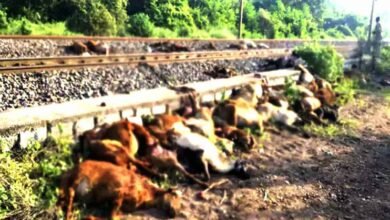
Solar Fencing Success: Solar Fencing Helps Yadadri Farmers Protect Crops From Wild Animals
Solar Fencing Success: Farmers in Yadadri have successfully protected crops from monkeys and wild boars using solar fencing technology offering a safe solution that prevents damage without harming wildlife.
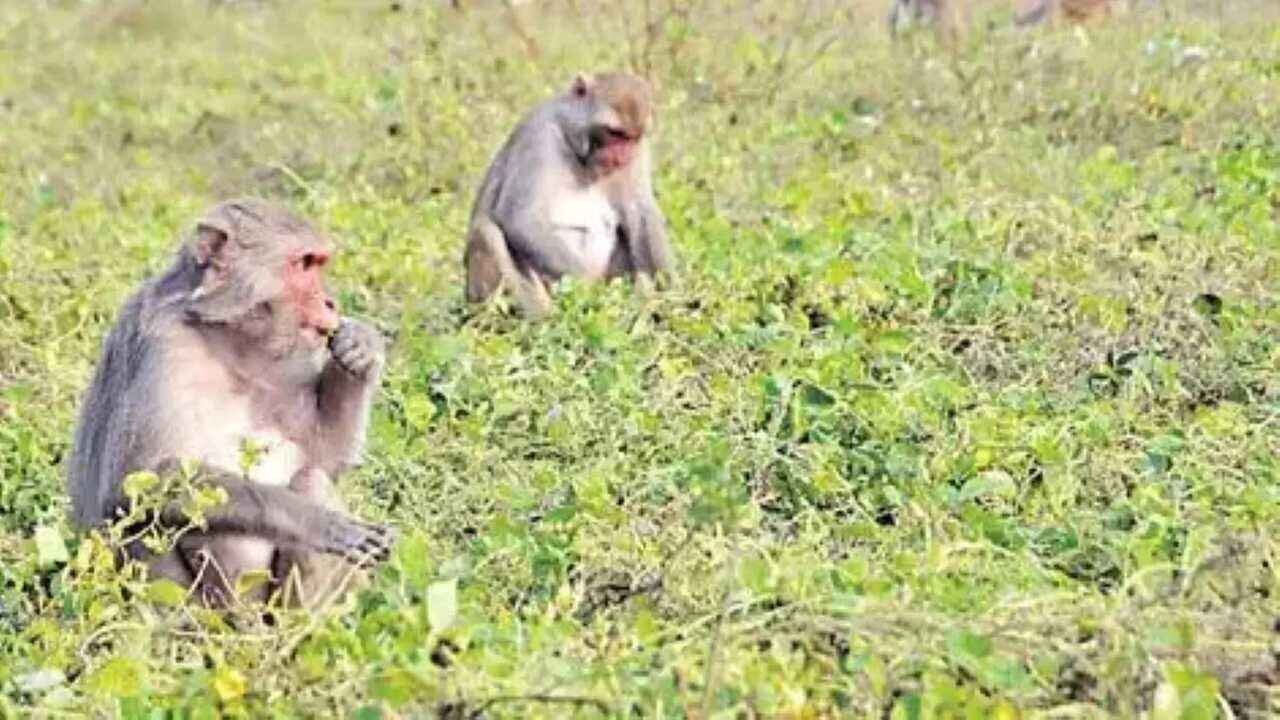
Solar Fencing Success: A group of farmers in Yadadri Bhuvanagiri district has found an effective solution to protect crops from monkeys and wild boars through the use of solar fencing. The initiative has significantly reduced crop damage and brought relief to farming communities that struggled for years with wildlife attacks.
The project was implemented with support from NABARD and local voluntary organizations. Thirty farmers, including a large number of women cultivators, installed solar fencing around their agricultural fields. The technology has proven successful in safeguarding crops while ensuring that wild animals are not harmed.
For many years, farmers in villages across Turkapally and Bhuvanagiri mandals suffered heavy losses as monkeys and wild boars repeatedly entered fields and destroyed standing crops. The damage often occurred just before harvest, leaving farmers without returns on their investments and causing severe financial stress.

Recognizing the growing problem, a local nonprofit organization brought the issue to the attention of NABARD officials. A pilot project was launched with four farmers, who received financial and technical support to install solar fencing around their farms. The initial success encouraged wider adoption across the region.
Installing solar fencing around one acre of farmland cost approximately Rs 30000. NABARD provided a substantial grant while farmers contributed the remaining amount. Beneficiaries also received solar panels, batteries, fencing materials, and training on operating and maintaining the system.
Following the positive results of the pilot phase, additional organizations and donors stepped forward to support the expansion of the initiative. As a result, another twenty six farmers joined the program, taking the total number of beneficiaries to thirty.
During the recent cultivation season, farmers confidently grew vegetables and maize under the protection of solar fencing. Fields that previously suffered extensive damage from wild animals produced healthy crops and better yields. Farmers reported that they were able to harvest their produce without major losses for the first time in years.
The solar fencing system works by delivering a mild electric shock when animals come into contact with the fence. The shock is designed only to deter animals and does not cause injury. An alarm system installed in the fields further helps scare away intruding wildlife during both day and night.
Experts estimate that wild animals damage crops across nearly five lakh acres in Telangana every year. Crops such as maize, groundnut, chickpea, sugarcane, soybean, sorghum, vegetables, and fruit orchards are among the most affected. In some cases, farmers attempting to protect their fields have also been attacked by animal groups.
Encouraged by the success of the Yadadri model, farmers are now urging the state government to introduce a dedicated solar fencing policy. They believe wider implementation of the technology could help thousands of cultivators protect their livelihoods while maintaining a safe balance between agriculture and wildlife conservation.