
Wild Bitter Gourd Season Nears End As Demand Rises In Local Markets
Wild bitter gourd is a seasonal monsoon vegetable valued for its fibre, vitamins and minerals, with fresh supplies attracting buyers before the season gradually ends.
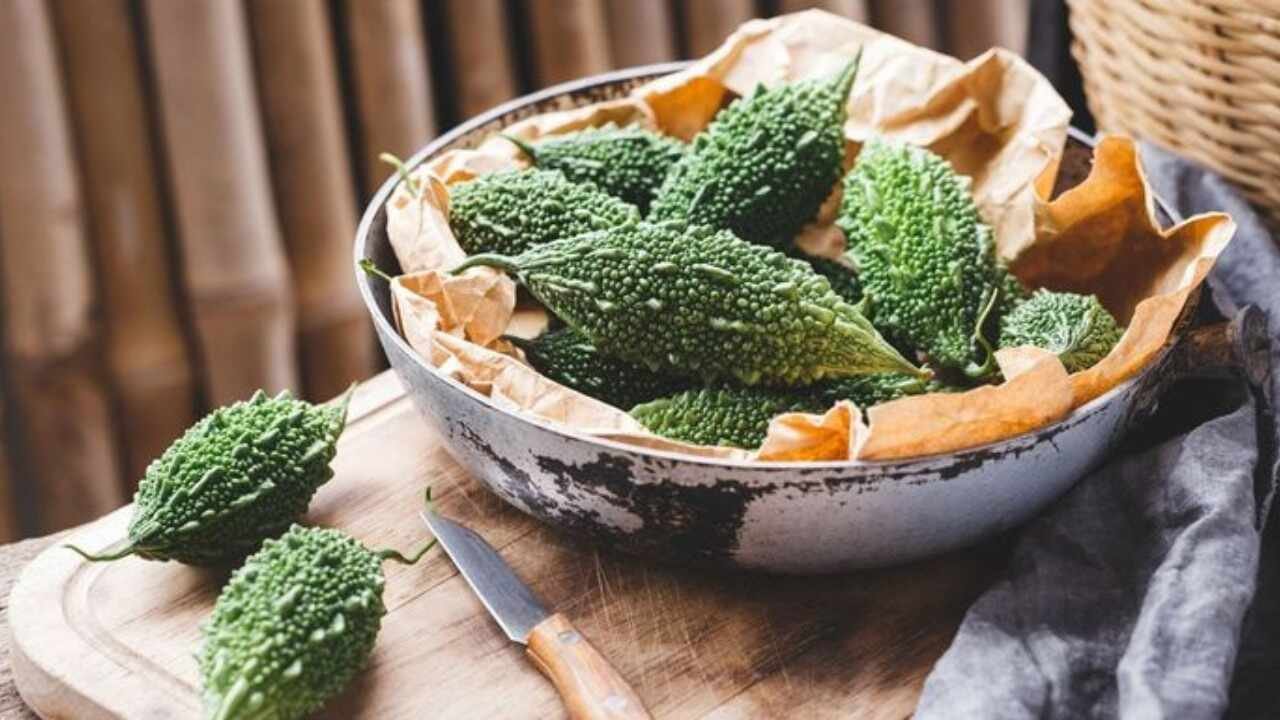
As the monsoon season moves towards its final stretch, a distinctive vegetable is attracting attention in local markets. Wild bitter gourd, also known in some regions as boda kakarakaya, is currently being seen in farmers markets and vegetable stalls, where shoppers are picking it up while fresh supplies remain available.
Unlike the common bitter gourd, wild bitter gourd has a different appearance and is generally smaller, rounder and more uneven on the surface. It is traditionally associated with rural areas, but increasing consumer interest has helped bring it to urban markets as well.
The vegetable is mainly available during the rainy season. Fresh arrivals are commonly seen between June and September, although availability can vary depending on local weather and cultivation conditions. With the season gradually coming to an end, some buyers are keen to purchase it while it is still being brought to markets.
One reason for its popularity is its nutritional profile. Wild bitter gourd contains dietary fibre along with several vitamins and minerals. Depending on the variety and growing conditions, bitter gourd can provide nutrients such as vitamin C, vitamin A related compounds and minerals including calcium, potassium, magnesium and iron.
The fibre content is particularly useful as part of a balanced diet. Foods containing dietary fibre can support normal digestion and may help maintain regular bowel movements. Including different vegetables in daily meals is generally a simple way to increase fibre intake.
Wild bitter gourd is also considered a relatively light vegetable because it is naturally low in calories. This makes it suitable for people who want to include more vegetables in their meals while maintaining a balanced eating pattern. However, no single vegetable should be viewed as a guaranteed solution for weight loss.
There is also considerable interest in bitter gourd among people concerned about blood sugar. Some research has examined bitter gourd and its possible relationship with blood glucose, but it should not be described as a treatment or replacement for diabetes medication. People with diabetes should continue following medical advice and prescribed treatment.
The vegetable also contains plant compounds with antioxidant properties. Antioxidants are found naturally in many vegetables and fruits and are part of a varied diet that supports overall nutrition. Claims that wild bitter gourd can directly prevent or cure several diseases, however, go beyond what can be established simply from its nutritional content.
In rural areas, wild bitter gourd has long been used in home cooking. It can be prepared in different ways depending on local preferences. Some households cook it as a vegetable dish, while others prefer frying it with spices. Its distinct flavour makes it a popular seasonal addition to meals.
The taste is one of the reasons regular buyers continue to look for it. Although it has the characteristic bitterness associated with the bitter gourd family, cooking methods and ingredients can significantly influence the final flavour.
Freshness is another factor behind its current demand. Farmers in some areas bring freshly harvested produce directly to farmers markets, allowing customers to buy vegetables soon after they are picked. Such direct sales can also give shoppers an opportunity to select produce based on appearance and freshness.
The price can vary from one market to another depending on supply, demand and the stage of the season. In some local markets, a quarter kilogram of wild bitter gourd has been selling for around Rs 50, although prices may change as fresh arrivals increase or decline.
The vegetable is usually recognised by its round and somewhat uneven appearance. When buying it, shoppers can look for firm produce without obvious signs of spoilage or excessive damage. Fresh vegetables should be handled and stored properly after purchase.
For those who enjoy seasonal foods, the end of the monsoon is a reminder that some vegetables are available only for a limited period. Wild bitter gourd is one such produce that appears in larger quantities during the rainy months and becomes less common as the season changes.
Its nutritional value, distinctive taste and seasonal availability have helped it maintain a place in traditional cooking. While it should not be treated as a miracle food, adding wild bitter gourd to a varied diet can be one more way to include vegetables and useful nutrients in everyday meals.