
Soft Chapatis That Stay Tender: Simple Kitchen Tips for Better Results
Getting soft chapatis that puff well can depend on how the dough is prepared, rested and cooked, with a few small changes making a noticeable difference.
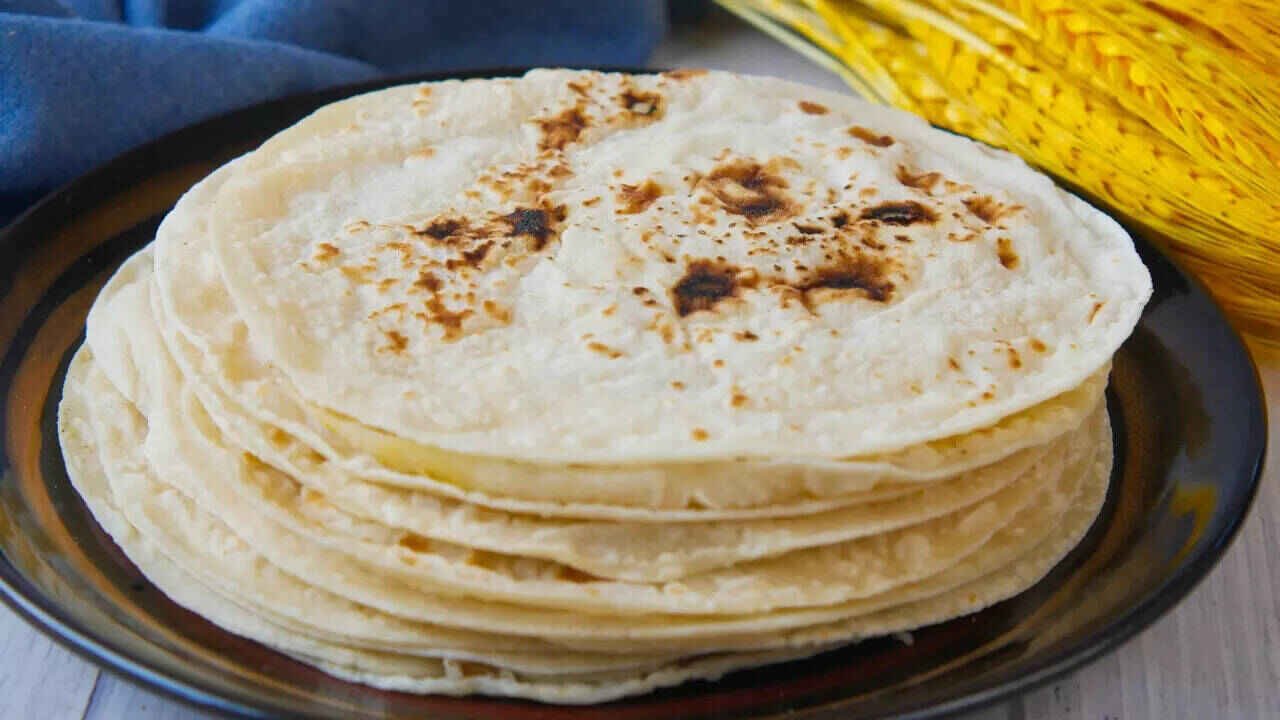
Chapati is a regular favourite in many Indian homes, but getting the texture right every time can be surprisingly tricky. Sometimes the chapatis come off the pan looking fine but quickly become hard. In other cases, they remain flat instead of puffing up during cooking.
The good news is that the problem often comes down to a few simple steps. The consistency of the dough, the amount of kneading, resting time and pan temperature can all influence the final result.
Start With The Right Dough
Using lukewarm water while preparing the dough can help make it softer than using very cold water. Some people also add a small amount of oil while kneading. A little milk can be used as another option when a softer texture is preferred.
Kneading should not be rushed. Work the dough thoroughly for around eight to ten minutes, pressing and folding it repeatedly until it becomes smooth and pliable. Proper kneading helps develop the gluten structure, giving the dough enough elasticity to roll and cook properly.
Once the dough is ready, give it time to rest. Cover it with a damp cloth or keep it covered with a lid and allow it to rest for about 15 to 20 minutes. This gives the flour time to absorb the moisture evenly and makes the dough easier to handle.
Rolling Also Makes A Difference
When rolling the chapatis, try to maintain an even thickness throughout. If the centre becomes very thin while the edges remain thick, the chapati may not cook evenly or puff properly.
Avoid pressing the rolling pin excessively hard. Gentle and even movements are usually enough. Use only as much dry flour as needed, since excessive flour can make the cooked chapati feel dry.
Get The Pan Temperature Right
The pan should be properly heated before the chapati goes on it. A pan that is not hot enough can result in longer cooking time, which may leave the chapati dry and firm.
At the same time, extremely high heat can cook the outside too quickly. Medium heat is generally a good starting point.
Place the rolled chapati on the hot pan and allow one side to cook until small bubbles begin appearing. Turn it over and cook the other side. Turning it again at the right stage can help the chapati puff as steam builds inside.
Avoid Overcooking
One of the most common reasons chapatis become hard is simply leaving them on the pan for too long. Once they are cooked, transfer them to a covered container or wrap them in a clean kitchen cloth to retain their warmth and moisture.
The exact cooking time can vary depending on the thickness of the chapati and the heat of the pan, so watching the surface rather than relying only on a fixed time works better.
A Few Small Changes Can Help
There is no single secret ingredient that guarantees perfectly soft chapatis. Good dough consistency, thorough kneading, adequate resting and controlled cooking work together.
If chapatis are regularly turning hard, try changing one step at a time. Give the dough more resting time, check whether the pan is sufficiently hot and avoid cooking the chapatis longer than necessary.
These small adjustments can make homemade chapatis softer, more flexible and more likely to puff during cooking.