
Simple Tips to Make Thick and Mild Homemade Curd
Making curd at home can be tricky during warm weather, but the right milk temperature, starter quantity and cooling time can help prevent excessive sourness.
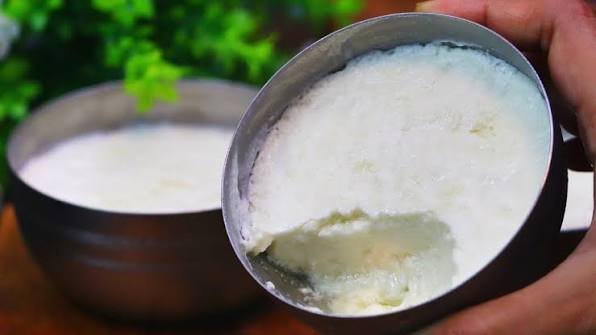
Homemade curd can stay thick and mild with the right fermentation method.
Warm milk needs the right amount of starter for good curd.
Refrigerating curd at the right time can reduce sourness.
Why Homemade Curd Turns Sour
Curd is a regular part of many Indian meals, but getting the texture and taste right every time is not always easy. Sometimes the curd sets beautifully, while on other days it becomes too sour or fails to thicken properly.
The main reason for excessive sourness is over fermentation. During fermentation, beneficial bacteria such as Lactobacillus convert the lactose in milk into lactic acid. As the acid level rises, the curd develops a sharper taste.
Temperature plays an important role in this process. In a warm kitchen, the bacteria can work faster, meaning the milk may set sooner but can also continue fermenting and become sour if it is left outside for too long.
Using too much starter curd can also speed up fermentation. Another common mistake is adding the starter while the milk is still very hot. Excessive heat can affect the bacteria and may result in poor texture or an unpleasantly sour batch.
The Right Way to Set Curd
Start by bringing the milk to a proper boil. Allow it to cool until it becomes comfortably warm rather than hot. This temperature is important because the starter needs a suitable environment to ferment the milk.
For around half a litre of milk, a small teaspoon of starter curd is generally enough. During hot weather, using a smaller amount can help prevent fermentation from progressing too quickly.
Add the starter to the warm milk and mix it thoroughly so that it spreads evenly throughout the container. Once mixed, keep the container undisturbed in a suitable place.
Do Not Leave It Outside Too Long
The curd should be checked after several hours rather than simply being left overnight regardless of the weather. In warmer conditions, it may set considerably faster.
Once the curd has properly formed, move it to the refrigerator. Cooling slows down bacterial activity and helps prevent the fermentation from continuing rapidly.
This step becomes particularly useful during summer, when room temperatures can cause homemade curd to turn sour much sooner.
A Few Small Changes Can Make a Difference
The quantity of starter, temperature of the milk and time spent fermenting all affect the final result. There is no need to add a large amount of old curd simply to make the next batch set faster.
With a little attention to these details, homemade curd can turn out thick, smooth and pleasantly mild. Once the right timing is figured out for the temperature in your kitchen, making a fresh batch every day becomes much easier.