
Simple Balcony Tips to Keep Lizards Away From Home
Lizards often appear near balconies and windows when warmth, moisture and insects increase. Keeping these areas clean, sealing entry points and reducing insects can help limit their presence.
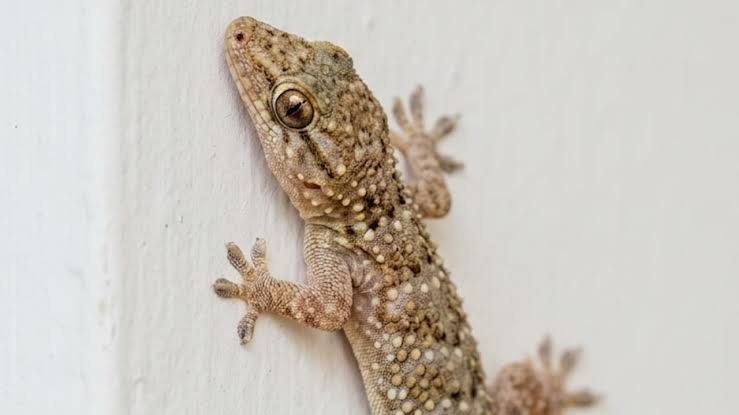
A lizard appearing near the balcony or inside the house can be an unpleasant surprise for many people. These small reptiles generally enter homes while looking for insects, water or suitable hiding places. Their presence can become more noticeable during periods of rain, heat and increased humidity.
Rather than relying on a single home remedy, household experts generally recommend making the surrounding area less attractive to lizards. A combination of regular cleaning, insect control and blocking possible entry points can make a balcony less welcoming to them.
One of the easiest places to begin is the balcony itself. Old cardboard boxes, newspapers, dried leaves and unused household items can create dark spaces where lizards may hide. Removing this clutter and cleaning around flower pots regularly can make the area less suitable for them.
Insects are another important factor. Lizards commonly feed on small insects, so a balcony that attracts plenty of insects can also attract lizards. Lights left on at night can draw insects towards windows and balconies. Switching off unnecessary lights and keeping windows protected with mosquito screens can help reduce insect activity.
The condition of doors and windows also deserves attention. Small gaps around window frames, spaces beneath doors, cracks in walls and openings around pipes can provide convenient routes into the house. Checking these areas regularly can help identify places that need to be sealed.
Suitable sealing material can be used to close small cracks and gaps. Strong window screens or mesh can provide another layer of protection, particularly around frequently opened windows. Keeping doors closed when they are not being used can also reduce opportunities for lizards to enter.
Some homeowners also keep strongly scented plants on their balconies. Mint, eucalyptus and lemongrass are commonly suggested in household discussions because of their noticeable smell. Garlic and onion are also sometimes used as traditional home remedies.
However, these methods should not be treated as guaranteed solutions. There is no strong scientific evidence that simply keeping these plants or ingredients near a balcony will completely prevent lizards from appearing. Their effect can vary depending on the surroundings and the availability of food and shelter.
Care is also needed when using homemade sprays. Strong chilli or pepper mixtures can irritate the eyes and skin. Homes with children or pets should take additional precautions and avoid leaving potentially irritating mixtures where they can easily be touched.
One method that should be avoided is leaving mothballs or naphthalene balls in open areas to repel lizards. These products can be harmful if children or pets come into contact with them or accidentally ingest them. They are not a suitable substitute for basic household prevention measures.
The presence of lizards can sometimes be reduced simply by addressing the conditions that attract them. If insects are gathering around balcony lights, reducing that activity can remove one reason for lizards to stay nearby. Similarly, eliminating clutter removes potential hiding places.
Plants can still be part of a clean balcony setup, but they should not be allowed to become surrounded by fallen leaves, stagnant water or other waste. Flower pots should be checked regularly, and excess water should not be allowed to remain around them.
For households dealing with frequent sightings, it can be useful to inspect the entire balcony and nearby rooms rather than concentrating only on the places where lizards have been seen. Windows, vents, door gaps and wall cracks should all be checked.
A clean and well maintained balcony can make a noticeable difference. Keeping food waste away from the area, reducing insects, removing unnecessary objects and maintaining screens can collectively make the surroundings less attractive to lizards.
There is no need to depend on harsh or potentially unsafe substances when simple preventive steps are available. Making the home less accessible and reducing the food sources around it is a more practical approach for everyday households.