Silver Varak On Sweets What It Is And Whether It Is Safe To Eat
The shiny silver layer on Indian sweets is known as silver varak, a traditional food decoration used for celebrations, but its purity and preparation matter before consumption.
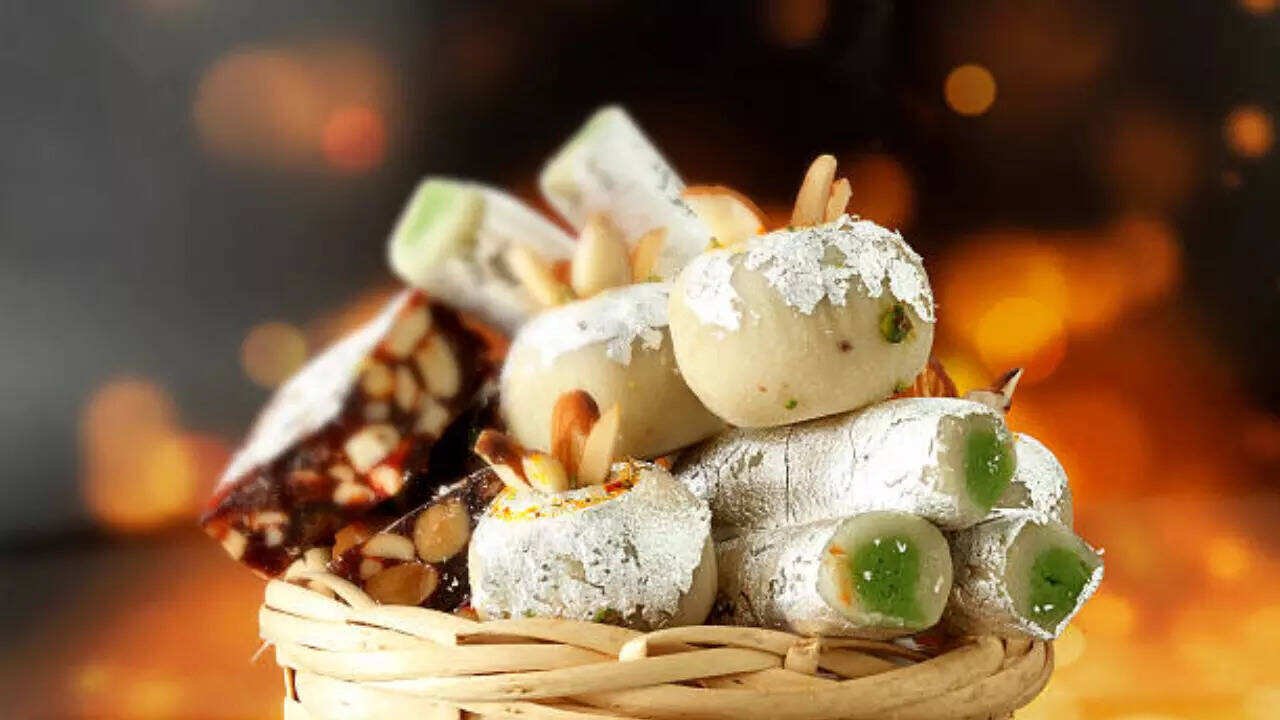
That thin, shiny layer sitting on top of kaju katli, barfi, peda and other Indian sweets often catches attention before the first bite. It may look like a simple decoration, but silver varak has been part of Indian food traditions for generations.
Known as chandi ka work or silver varak, the extremely thin edible sheet is mainly added to sweets to give them a distinctive metallic shine. It does not have a strong taste or smell and is so delicate that it can tear with very little handling.
Silver varak is also found on products beyond traditional sweets. Some manufacturers and sweet makers use it on paan, dry fruits and other festive foods. Its popularity is especially noticeable during weddings, festivals and religious occasions, when decorated sweets are commonly served to guests.
The tradition is closely connected with the cultural importance of sweets in India. Sweets are often associated with celebrations, hospitality, prosperity and auspicious occasions. Adding a silver layer makes them look more elaborate and gives even a simple sweet a festive appearance.
There are also long standing references to the use of precious metals in royal and celebratory food traditions. Over time, silver came to be associated with purity, prosperity and status, helping silver decorated sweets become a familiar part of Indian celebrations.
But the obvious question remains. Is the silver on sweets actually safe to eat?
Food grade silver varak is intended specifically for use on food and is generally considered suitable for consumption when it meets applicable purity and safety requirements. It is used in extremely small quantities and does not provide any meaningful nutritional benefit. In other words, the silver layer is primarily about appearance rather than improving the nutritional value of the sweet.
This is important because some popular claims suggest that eating silver varak provides special health benefits. There is no good reason to consider it a source of essential nutrition. The nutritional value of the sweet comes from ingredients such as milk, nuts, grains or other components used in the recipe, not from the decorative silver layer.
Another issue surrounding silver varak has been its preparation method. Traditionally, some manufacturing techniques reportedly involved placing silver between animal derived materials while repeatedly beating it into an extremely thin sheet. This raised concerns among vegetarians and particularly among communities with strict dietary practices.
Modern food safety requirements address this concern. Food manufacturers making edible silver leaf for use on food are expected to follow applicable standards, including requirements concerning the materials and manufacturing process. Consumers who specifically want vegetarian silver varak should look for products that clearly meet the relevant food safety requirements.
There is another reason shoppers should be careful. Not every shiny sheet placed on a sweet is necessarily genuine silver. Some low quality products may use cheaper metals or foils that are not suitable for food consumption. Aluminium foil is one material that has historically been associated with imitation silver leaf.
Genuine silver varak is extremely thin and delicate. It can tear easily and generally has a soft metallic appearance rather than looking like a thick sheet of ordinary foil. However, appearance alone cannot reliably establish whether a product is genuine or food safe.
For this reason, buying sweets from established and trustworthy shops is a better approach than trying to judge the silver layer simply by looking at it. Licensed food businesses are expected to follow food safety requirements, and consumers can also check packaging or product information when silver leaf is supplied separately.
The silver layer itself should not be confused with a health supplement. Eating a sweet decorated with food grade silver varak does not turn it into a healthier food. Since most sweets are already high in sugar and calories, the quantity of the sweet remains more relevant to overall dietary intake than the decorative coating.
Silver varak has survived changing food trends because its role is more cultural and visual than nutritional. Long before modern social media turned beautifully decorated desserts into a major trend, Indian sweet makers were using silver leaf to make familiar foods look special.
Today, the sight of silver varak on kaju katli, peda, barfi and other sweets still signals celebration for many people. It connects traditional sweet making with festive presentation and has become almost inseparable from certain varieties of Indian mithai.
So, the next time a shiny silver layer catches your eye on a sweet, it is worth knowing what you are actually eating. Food grade silver varak is an edible decorative material when produced according to the required standards. Its purpose is largely aesthetic, while its safety depends on purity, proper manufacturing and compliance with food regulations.
For consumers, the simplest rule is to choose sweets from reliable sellers and avoid products where the decorative foil appears suspicious or the source is unclear. The sparkle may be traditional, but food safety should always come first.