Raw Coconut Chutney Recipe That Makes a Simple Meal More Delicious
Raw coconut chutney is a traditional side dish made with fresh coconut, spices, lentils, garlic and tamarind, offering a quick homemade option for rice, dosa and idli.
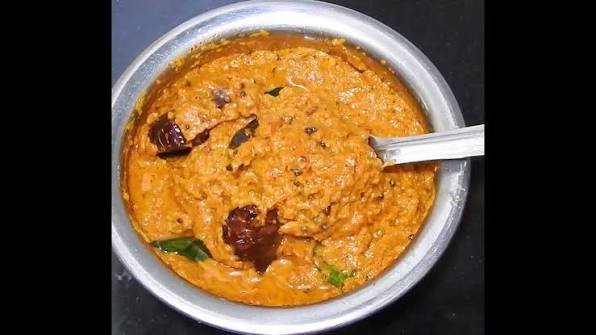
There are days when a simple meal needs just one flavorful side dish to make it more enjoyable. Raw coconut chutney is one such traditional recipe that has remained popular in many Telugu households. It can be prepared without complicated ingredients and works particularly well with hot rice.
The chutney gets much of its character from fresh coconut, roasted lentils, red chillies, coriander seeds and cumin. Garlic and tamarind add another layer of flavour, while a final tempering gives the dish its familiar aroma.
This recipe is also useful when there are not many vegetables at home or when a quick side dish is needed. Along with rice, it can also be served with breakfast dishes such as dosa and idli.
Ingredients needed
One cup fresh coconut pieces
One tablespoon cooking oil
One teaspoon roasted gram
One teaspoon urad dal
One teaspoon coriander seeds
Half teaspoon cumin seeds
Eight to ten dried red chillies according to taste
A small amount of curry leaves
One fourth teaspoon turmeric powder
Four garlic cloves
A small piece of tamarind
Salt according to taste
Around 50 ml water for grinding
A small pinch of asafoetida for tempering
Preparation method
Start by preparing the coconut. Break open a medium sized fresh coconut and remove the brown outer portion from the flesh. Cut the coconut into small pieces and measure approximately one cup.
Heat one tablespoon of oil in a pan. Keep the flame low and add roasted gram, urad dal, coriander seeds and cumin seeds. Fry them gently until the lentils turn lightly golden and release their aroma.
Add the dried red chillies and a little curry leaves. Continue frying for about a minute, taking care not to burn the spices. The amount of chilli can be adjusted depending on how spicy the chutney is preferred.
Now add the fresh coconut pieces and turmeric powder to the pan. Fry everything together over medium heat for about two to three minutes. The coconut does not need to be deeply roasted. A short cooking time is enough to warm it and combine it with the spices.
Turn off the stove and allow the mixture to cool completely. Grinding it after it has cooled helps bring together the roasted ingredients without making the chutney unnecessarily warm.
Transfer the cooled mixture to a mixer jar. Add garlic cloves, tamarind and salt. Grind the ingredients first without adding water. Keeping the mixture slightly coarse at this stage helps retain some texture.
Next, add around 50 ml of water and grind again. The chutney can be kept slightly thick instead of making it completely smooth. A little texture gives the finished dish a more traditional feel.
For the final tempering, heat a small amount of oil in a tempering pan. Add mustard seeds, cumin seeds, asafoetida and curry leaves. Once the tempering is ready, pour it over the chutney and mix gently.
The fresh coconut chutney is now ready to serve. A spoonful mixed with hot rice and a little ghee can make a very simple lunch or dinner feel much more satisfying. It can also be paired with dosa and idli for breakfast.
Since this chutney contains fresh coconut, it is better prepared in a quantity that can be consumed quickly. It does not have the long shelf life of some dry chutneys. Refrigerate leftovers promptly in a clean, covered container and use them within a short period while they remain fresh.
The combination of fresh coconut, roasted spices, garlic and tamarind gives this chutney a distinctive homemade taste. With a few basic ingredients and a short preparation process, it remains a convenient traditional recipe for busy days as well as regular family meals.