Ragi Porridge Offers Fibre and Nutrients for Everyday Health
Ragi porridge is a traditional Indian food that provides fibre, calcium, iron and complex carbohydrates, making it a useful addition to balanced meals for everyday nutrition and wellbeing.
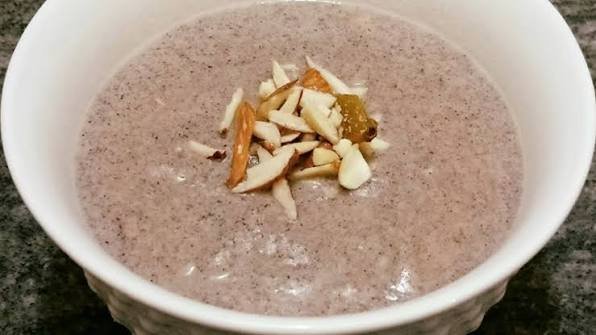
Ragi has long been a familiar food in Indian households, but it has received renewed attention as people look for simple and nutritious choices for everyday meals. The grain can be prepared in several ways, with ragi porridge being one of the easiest options.
One of the main nutritional advantages of ragi is its fibre content. Fibre can help support normal digestion and contributes to a feeling of fullness after meals. Including fibre rich foods as part of regular meals can also make it easier to maintain a varied and balanced diet.
Ragi is also known for its mineral content. It provides calcium, iron, magnesium and other nutrients that contribute to normal body functions. Calcium is important for bones and teeth, while iron is needed for the production of haemoglobin and normal oxygen transport in the body.
Because ragi contains complex carbohydrates along with fibre, it can be included as part of a meal that provides steady energy. However, the effect of any food on blood sugar depends on the overall meal, portion size, preparation method and individual health conditions.
The traditional preparation of ragi porridge is quite simple. Ragi flour can be mixed with water and cooked properly until the mixture reaches a smooth consistency. It can be prepared as a savoury drink or meal, depending on personal preference.
For a savoury version, ingredients such as cumin, ginger or buttermilk can be added for flavour. These additions can make the preparation more appealing without relying heavily on sugar. There is no need to treat ragi porridge as a special fat burning drink.
Some popular claims suggest that drinking ragi porridge automatically removes belly fat or speeds up metabolism. There is not enough evidence to make such a promise. Body weight and body composition are influenced by many factors, including overall food intake, physical activity, sleep, genetics and health conditions.
For growing children and teenagers, deliberately restricting food or following a weight loss challenge is not a healthy approach. Their bodies need sufficient energy and nutrients for growth and development. Ragi can simply be included as one nutritious food among many rather than being used as a replacement for meals.
Adults can also include ragi as part of a varied diet. It can be used to prepare porridge, dosa, roti, idli and other dishes. Combining it with vegetables, pulses, dairy products or other protein sources can create a more nutritionally complete meal.
The grain has another practical advantage because it fits easily into traditional Indian cooking. Families do not need complicated recipes or expensive ingredients to include it in their regular food routine.
There are also claims that adding cinnamon, ginger, cumin or herbal powders to ragi creates a powerful mixture that burns abdominal fat or removes toxins. Such claims should be treated cautiously. These ingredients can add flavour and nutrients, but they should not be described as guaranteed treatments for weight or metabolic problems.
The same applies to traditional Ayurvedic explanations about ragi affecting body fat or metabolism. Ayurveda has its own concepts and dietary traditions, but those claims should be distinguished from conclusions supported by modern clinical research.
People with diabetes or other medical conditions should also consider how ragi fits into their individual diet. Although ragi can be a nutritious grain, it still contains carbohydrates, and portion size and the rest of the meal matter.
Ragi also should not be considered a replacement for medical treatment. If someone has persistent digestive problems, unusual tiredness, anaemia, blood sugar concerns or another health issue, professional medical advice is more appropriate than relying on a homemade drink.
For everyday nutrition, the simplest approach is to use ragi alongside other whole grains and nutritious foods. Vegetables, fruits, pulses, nuts, seeds, dairy or suitable alternatives and adequate protein can all contribute to a balanced eating pattern.
Ragi porridge can therefore be a convenient breakfast or snack, but its value comes from its nutritional profile rather than from a quick transformation promised by a diet trend. Adding a nutritious grain to regular meals is more useful than expecting one food to solve every health concern.
With its fibre, calcium, iron and complex carbohydrates, ragi remains a practical traditional food that can fit comfortably into modern meals. The key is variety, adequate nutrition and sensible preparation rather than extreme dietary restrictions.