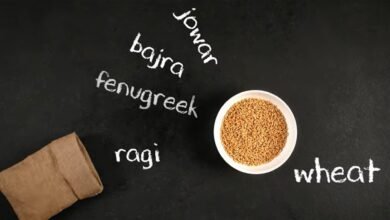
Ragi Foods Can Support Strong Bones and Better Nutrition
Ragi is a nutrient rich millet containing calcium, iron, fiber and protein, making it a useful addition to balanced meals for children, adults and growing families.
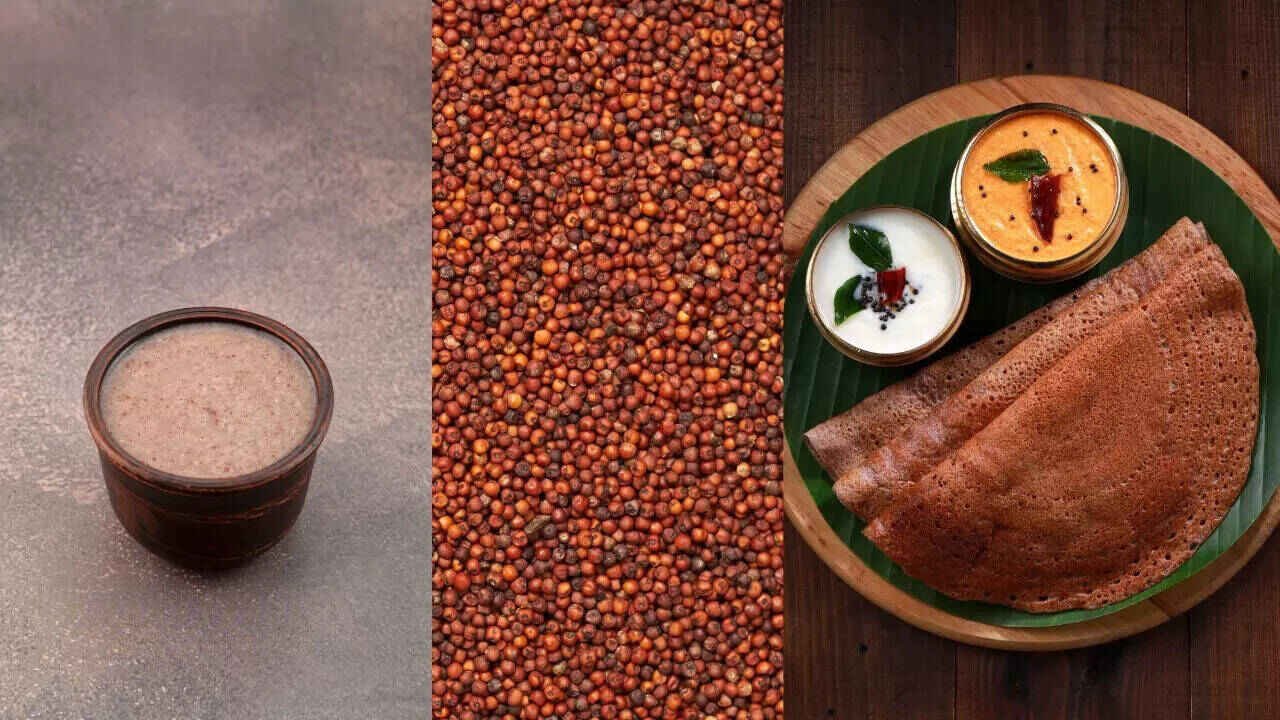
Ragi has been part of traditional Indian diets for generations, and the millet continues to find a place on modern plates. It can be prepared as porridge, roti, mudde and several other dishes, making it fairly easy to include in everyday meals.
Its nutritional profile is one reason ragi gets attention from nutrition experts. The millet contains calcium, iron, dietary fiber, protein and other nutrients that can contribute to a balanced diet. However, no single food can provide everything the body needs, so ragi works best alongside a varied diet.
Calcium makes ragi useful for bone health
Ragi is known for its relatively high calcium content compared with many other cereals. Calcium is essential for maintaining bones and teeth and is particularly important during childhood and adolescence, when the body is growing.
Adults also need adequate calcium throughout life to maintain normal bone health. Including calcium rich foods such as ragi as part of a balanced eating pattern can therefore be helpful.
Ragi alone cannot prevent conditions such as osteoporosis, but getting enough calcium, vitamin D, protein and other nutrients, together with regular physical activity, supports long term bone health.
Ragi can add valuable fiber to meals
Another advantage of ragi is its dietary fiber. Fiber can help support normal digestion and may contribute to a feeling of fullness after meals.
A ragi based breakfast or meal can therefore be a practical way to increase fiber intake. Ragi porridge and ragi roti can be included according to individual food preferences and the rest of the daily diet.
What about iron and energy
Ragi also supplies iron, a mineral needed for the production of hemoglobin and normal oxygen transport in the body. Including iron containing foods can be particularly useful as part of a diet designed to meet daily nutritional requirements.
However, eating ragi should not be presented as a guaranteed way to treat anemia. People with diagnosed iron deficiency may need medical evaluation and appropriate treatment, depending on the underlying cause.
May help with weight management
The fiber content of ragi can make meals more filling, which may help some people manage overall food intake. Replacing highly refined grain options with whole or minimally processed foods can also improve the nutritional quality of a meal.
Still, ragi does not directly burn body fat. Weight management depends on the overall diet, activity level, sleep and other lifestyle factors.
Ragi and blood sugar
Ragi is sometimes promoted as a food for diabetes because of its fiber content and the way whole grain foods can affect digestion. However, its effect on blood glucose depends on the portion size, preparation method and what it is eaten with.
For people managing diabetes, ragi can be included as part of a balanced meal, but it should not be considered a replacement for prescribed treatment or professional dietary advice.
A traditional food with several options
One of the easiest things about ragi is its versatility. Ragi flour can be used to prepare porridge, roti, dosa and other dishes. Some families also prepare ragi mudde as a traditional staple.
For children, ragi can be included in age appropriate meals alongside other grains, vegetables, fruits, pulses, dairy or suitable alternatives and protein rich foods. A varied diet remains important because growing bodies require many different nutrients.
Ragi is nutritious, but balance still matters
Ragi offers calcium, iron, fiber and protein, making it a useful grain to include in regular meals. Its benefits are best understood as part of an overall healthy eating pattern rather than as a miracle food.
For families looking for simple ways to add more nutritious grains to their meals, ragi can be a practical choice. Whether served as porridge in the morning or prepared as roti or another traditional dish, it can contribute useful nutrients while adding variety to the everyday diet.