
Old Toothbrush Uses for Easy Home Cleaning
An old toothbrush can become a handy cleaning tool for difficult corners, tile gaps, tracks, vents and shoe soles, helping remove everyday dirt that cloths often miss.
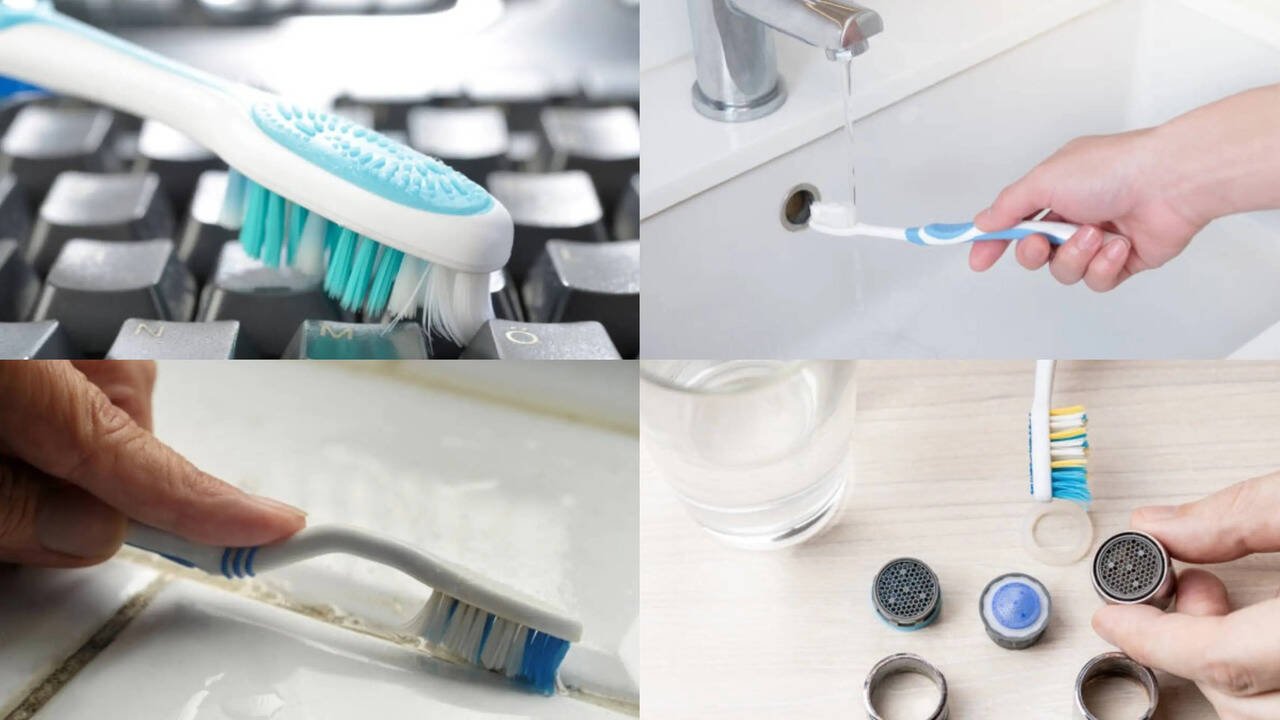
Before throwing away an old toothbrush, it may be worth giving it a second job around the house. Once a toothbrush is replaced for personal oral care, its small head and firm bristles can make it surprisingly useful for cleaning places that are difficult to reach with a cloth or sponge.
One of the easiest uses is cleaning the gaps between floor and wall tiles. Bathroom and kitchen grout can collect dust, soap residue and everyday grime over time. A cloth usually cannot reach properly into these narrow lines, but the compact head of a toothbrush can work along the gap.
For routine cleaning, the brush can be used with a suitable cleaning solution. A simple paste made with baking soda and water may also help with some household dirt. Anyone using a stronger cleaning product should follow the instructions and safety information on its label.
The area around taps is another place where an old toothbrush can come in handy. Dirt, soap residue and mineral deposits can gather around the base of a tap, particularly where it meets the sink. These small edges are often difficult to clean properly with a larger sponge.
A toothbrush dipped in warm soapy water can be moved gently around the tap base, sink edges and other narrow areas. Keeping one clearly marked old toothbrush exclusively for household cleaning can make this task more convenient.
Sliding window and door tracks are also known for collecting dust, sand and tiny pieces of debris. Because these tracks are narrow, wiping them with a cloth can sometimes push the dirt further inside instead of removing it.
An old toothbrush can loosen the accumulated dirt by brushing along the track. Once the dust has been brought out, it can be wiped away or collected with a vacuum cleaner. This simple method can be particularly useful during regular home cleaning.
Kitchen and household vents can benefit from the same approach. Small openings in grills and vents can trap dust, while areas around cooking appliances may also collect grease and residue. A toothbrush can reach individual edges and spaces more easily than a large cleaning cloth.
Stove grates can also be cleaned with an old toothbrush, especially after they have been soaked in warm soapy water where appropriate. Once loosened, the residue can be brushed away from smaller gaps and corners. The cleaning method should always match the material of the grate and the appliance instructions.
The toothbrush can also help with small marks on carpets and upholstery. If a limited area has picked up dirt or a small stain, gently working an appropriate cleaning solution into the affected spot may be easier than cleaning the entire surface.
However, cleaning products can affect different fabrics in different ways. It is sensible to test the product on a small hidden area first and follow the care instructions for the carpet or furniture. The brush should be used gently so the material is not damaged.
Shoe soles are another practical use. Dirt, mud and small particles often become trapped inside the grooves of rubber soles. A cloth cannot always reach these spaces, but the bristles of an old toothbrush can work into the grooves.
Using soapy water and gentle brushing can help loosen the dirt from the sole and rubber edges. After cleaning, the footwear should be allowed to dry properly according to its material and care instructions.
Small decorative objects and certain jewellery pieces can also have detailed areas where dust and residue collect. For items that are suitable for gentle cleaning, a soft toothbrush and mild soapy water can sometimes help reach intricate sections.
Extra care is needed with jewellery. Precious stones, delicate metals and specially finished pieces may require specific cleaning methods. Instead of using the same approach for every item, it is better to check the manufacturer’s care instructions first.
There is one important rule to remember when reusing a toothbrush. Once it has been used for household cleaning, it should never return to personal oral care. It should also be stored separately from toothbrushes that are still being used for brushing teeth.
Kitchen surfaces and objects that come into direct contact with food require particular attention as well. An old toothbrush used for household cleaning may carry dirt or cleaning residues, so it is better to avoid using it on food preparation surfaces or objects that touch food unless it is specifically appropriate and properly cleaned.
Strong chemical cleaners should also be handled carefully. Following the product label, using suitable ventilation and avoiding combinations of cleaning chemicals can help reduce unnecessary risks.
An old toothbrush is small, inexpensive and easy to overlook, but that same compact design makes it useful for several routine cleaning jobs. Rather than immediately putting a replaced toothbrush in the bin, households can give it a separate cleaning purpose while keeping it safely away from personal hygiene items.