Moringa Leaves Offer A Nutrient Rich Addition To Everyday Meals
Moringa leaves contain vitamins, minerals, fibre, calcium and antioxidants, making them a nutritious food that may support bones, digestion, immunity and overall health.
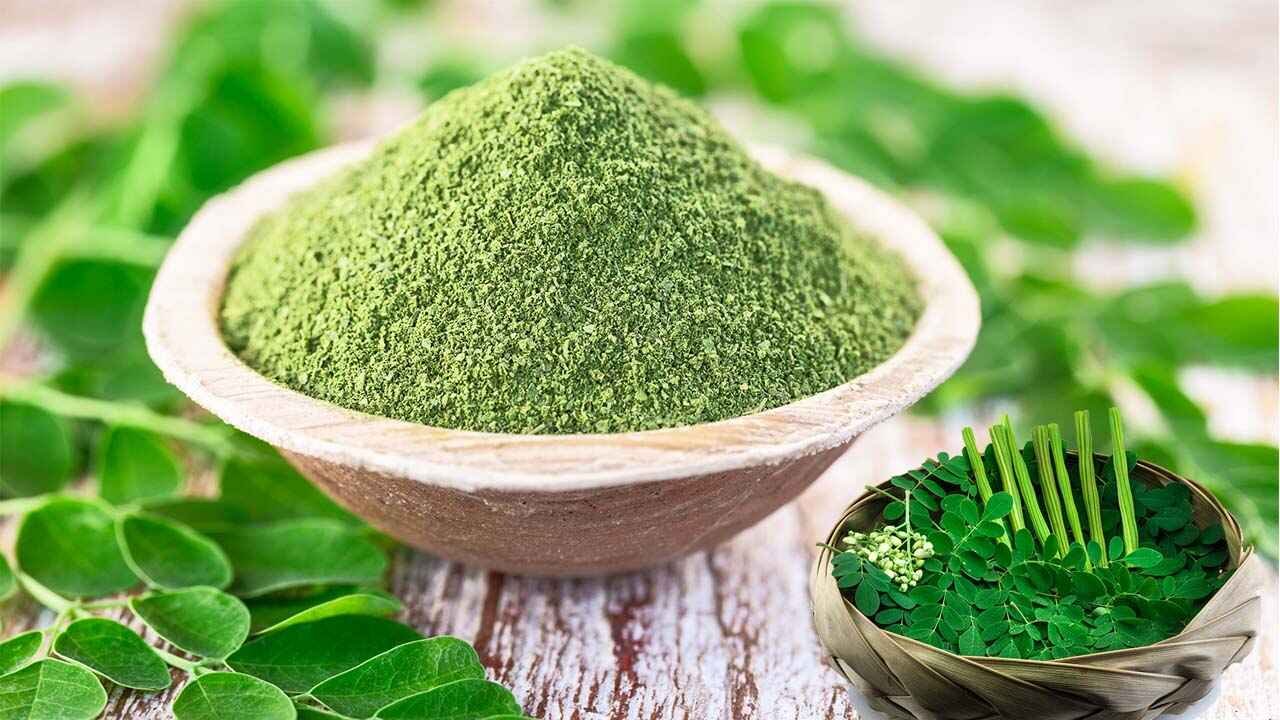
Moringa is a familiar ingredient across South Indian kitchens, where its pods are commonly used in curries and other dishes. While the drumstick is widely recognised, the leaves of the moringa tree are also valued for their nutritional content and can be added to everyday meals in several ways.
The leaves can be cooked fresh, added to soups and vegetables, or dried and made into a powder for later use. This makes moringa a convenient ingredient for people looking to include more nutrient rich foods in their regular diet.
Moringa leaves contain nutrients including vitamin A, vitamin C, calcium, potassium, iron and beta carotene. Their fibre content also makes them useful as part of a balanced eating pattern. The exact nutritional value can vary depending on how the leaves are grown, prepared and stored.
One of the commonly discussed benefits of moringa is its contribution to bone health. Calcium is important for maintaining normal bones and teeth, while other nutrients also play a role in keeping the skeletal system healthy. Including calcium containing foods such as moringa leaves can therefore contribute to an overall nutritious diet.
However, moringa should not be treated as a medicine for joint pain or bone related diseases. People experiencing persistent knee pain, weakness or other symptoms should seek appropriate medical advice instead of relying only on a particular food.
Moringa has also attracted attention for its antioxidant content. Antioxidants are compounds found in many fruits and vegetables that help protect cells from oxidative stress. Adding leafy vegetables to meals is generally considered a useful part of a varied diet.
The leaves are particularly easy to include in regular cooking. Fresh leaves can be cleaned thoroughly and cooked with other vegetables, while dried leaves can be powdered and stored in an airtight container. Fresh preparation is often preferable when practical because processing and storage can affect some nutrients, particularly vitamin C.
Moringa is also traditionally associated with respiratory health. In some food and traditional medicine practices, moringa leaves, pods and flowers have been used in soups and other preparations. However, claims that moringa can prevent or cure asthma, infections, fever or other respiratory conditions should not be taken as established medical treatment.
Another area of interest is blood health. Moringa leaves contain iron, a mineral needed for normal red blood cell production. Including iron containing foods can be helpful as part of a nutritious diet, but eating moringa alone cannot be considered a treatment for anaemia. Anyone with suspected anaemia should have the condition properly assessed because its causes can vary.
Moringa has also been studied in relation to blood sugar and blood pressure, but this does not mean that moringa leaf powder can replace prescribed treatment. People taking medicines for diabetes or blood pressure should be particularly careful about using concentrated supplements or large amounts without professional guidance.
Some traditional practices also recommend moringa for women during pregnancy and after childbirth. Such claims need caution. Nutritional needs during pregnancy and breastfeeding are different, and foods or supplements should be discussed with a qualified health professional when there are concerns about nutrition, medicines or milk supply.
The same caution applies to claims about weight loss. Moringa can be part of a healthy meal because its leaves provide nutrients and fibre, but there is no reliable reason to consider it a quick solution for excess weight. Healthy eating, regular physical activity and appropriate medical guidance are more dependable approaches.
Moringa can also be found in traditional skin care preparations. People sometimes combine its leaves or juice with other household ingredients, but there is limited evidence to support strong claims about treating skin problems. Applying plant based preparations directly to the skin can also cause irritation in some people, so caution is sensible.
For most people, the simplest approach is to treat moringa as a nutritious leafy food rather than a miracle remedy. It can add variety to meals while contributing useful vitamins, minerals and fibre.
Claims that moringa can cure hundreds of diseases, eliminate joint problems or replace medical treatment are much stronger than what can reasonably be concluded from its nutritional value. A healthy food can support overall nutrition, but it does not automatically prevent or treat every illness.
People with ongoing pain, breathing difficulties, diabetes, high blood pressure, anaemia or other medical conditions should consult a qualified health professional for proper diagnosis and treatment. Moringa can be included in the diet where appropriate, but it should complement a balanced eating pattern rather than replace medical care.