
Mixer Grinder Tips to Avoid Common Damage
Frequent mixer grinder problems can often be linked to everyday usage mistakes, including overloading jars, running the motor continuously and ignoring basic maintenance and safety precautions.
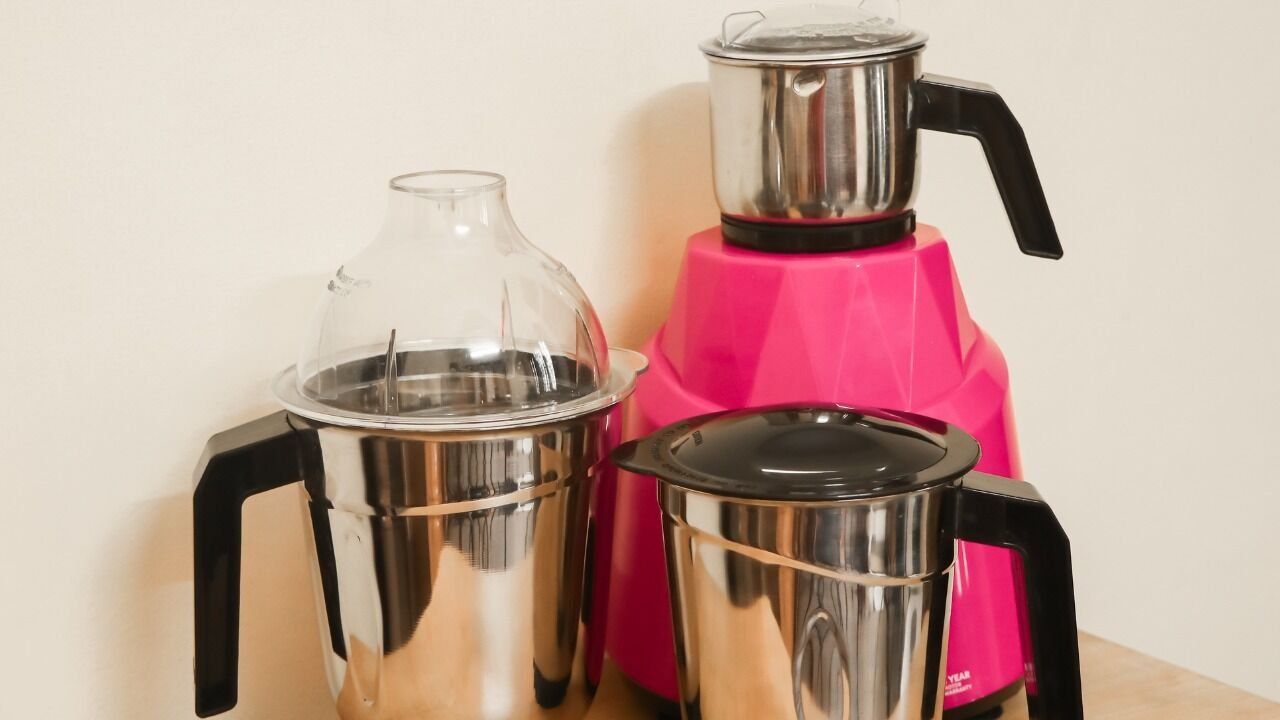
A mixer grinder has become one of the most useful appliances in a modern kitchen. From grinding ginger, garlic and chillies to preparing chutneys, spice powders, batters and gravies, the appliance can save considerable time during everyday cooking.
But frequent use also means the machine takes a fair amount of load. A mixer that starts overheating, stops suddenly, develops leaks or struggles to rotate the blades may not always have a manufacturing or electrical problem. In many cases, the way the appliance is being used can also contribute to these issues.
One of the most common mistakes is filling a jar beyond its recommended capacity. It may seem convenient to put everything in at once and finish the job quickly, but an overloaded jar can make the motor work harder, especially when the ingredients are hard or thick.
The MAX marking on the jar should be treated as a practical limit. Some manufacturers may recommend using less than the full capacity for particular ingredients or recipes. Following the instructions supplied with the appliance can reduce unnecessary pressure on the motor and improve grinding results.
Running the mixer continuously for a long period is another habit worth avoiding. Grinding spices, pulses or other hard ingredients for too long can cause the motor to heat up. Many models are equipped with overload protection, which can automatically stop the appliance when excessive load or heat is detected.
If the mixer stops while operating, repeatedly pressing the switch is not a good idea. The appliance should be switched off and unplugged, and the motor should be allowed to cool. If the model has a specific reset procedure, it should be followed according to the manufacturers instructions.
Choosing the correct jar is equally important. Mixer grinders generally come with different jars designed for particular tasks. A jar intended for wet grinding may not be the right choice for certain dry or hard ingredients.
The blades and jar design can also differ between models. Instead of using whichever jar is available, users should check the instruction manual to understand which jar is recommended for chutneys, wet mixtures, dry spices and other ingredients.
Hot ingredients require additional care. Some people pour freshly cooked gravy or very hot liquids directly into a mixer jar before grinding. Whether this is permitted depends on the design and instructions of the particular appliance.
Very hot or boiling liquids can create safety concerns in certain mixer jars. Users should therefore check the manufacturers instructions before processing hot food. Allowing food to cool when the appliance does not specifically support hot ingredients can be a safer approach.
The jar also needs to be positioned correctly before the motor is switched on. Many mixer grinders have safety mechanisms that prevent operation when the jar is not properly fitted or the lid is not secured.
Trying to force the appliance to operate despite an incorrectly positioned jar is unnecessary. The jar should never be adjusted while the blades are moving. Switching off and disconnecting the appliance before making any adjustment is important.
Maintenance of smaller components is another area that is sometimes overlooked. The jar, lid, gasket and blade assembly all need regular attention. A damaged or incorrectly fitted gasket can allow liquid or food to escape from the jar.
Leaks can become more likely when the jar is overfilled or when the gasket has become worn. After washing the jar, users should make sure the gasket is correctly positioned before using it again.
Cleaning should also be done carefully. Food particles left around the blade assembly or gasket can affect the performance of the jar over time. However, users should avoid handling the blades carelessly because they are sharp.
Another warning sign is unusual behaviour from the appliance. A strange noise, burning smell, smoke or repeated overload shutdown should not be ignored. Continuing to use a mixer that is showing these signs could make the underlying problem worse.
Trying to open the motor unit and repair electrical components at home is also not advisable unless the person is qualified to do so. A service centre or authorised technician can inspect the appliance and identify whether the problem is related to the motor, wiring, switch or another component.
Simple habits can therefore make a noticeable difference to the working life of a mixer grinder. Using the appropriate jar, keeping ingredients within the recommended capacity and giving the motor enough time to cool are basic steps that can prevent unnecessary strain.
It is also important to remember that every mixer grinder has its own operating limits. Instructions regarding maximum quantities, operating duration, hot ingredients and jar usage can differ between brands and models.
Instead of assuming that every mixer works in the same way, checking the user manual is often the easiest way to understand the specific requirements of an appliance.
A mixer grinder does not need complicated maintenance to remain useful for years. What matters most is avoiding excessive loads, allowing the motor to rest when necessary and paying attention to early warning signs.
For households that use the appliance regularly, these small precautions can help reduce avoidable breakdowns and keep everyday kitchen work running more smoothly.