How Makhana May Support Bone And Muscle Health
Makhana is becoming a popular snack choice because it contains protein and minerals, while preparing it with less oil and salt can make it a practical alternative to processed snacks.
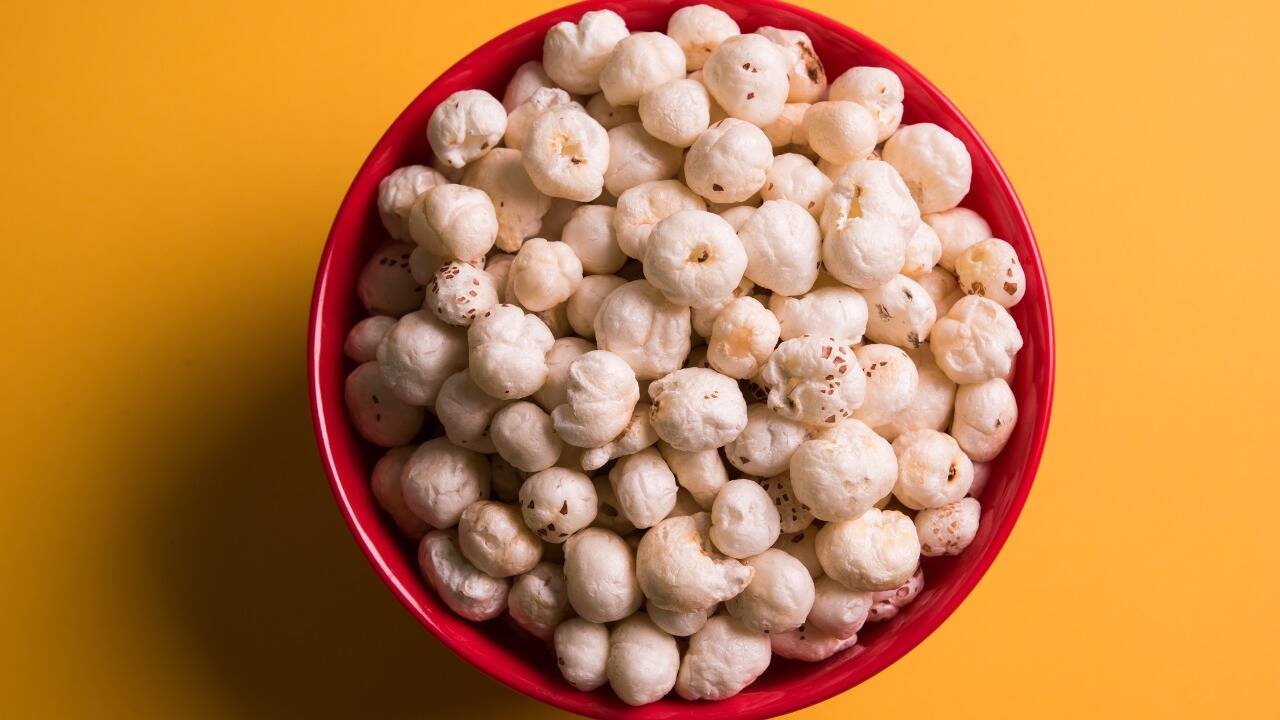
Healthy snacking has become more common as people look for alternatives to chips, fried foods and heavily processed packaged snacks. Makhana, also known as fox nuts or lotus seeds, is one food that has gained attention as an easy evening snack.
The appeal is fairly simple. Makhana can be dry roasted and seasoned lightly, making it convenient to prepare at home. It contains carbohydrates, some protein, minerals and plant compounds with antioxidant properties. When eaten in a sensible portion, it can be included as part of an otherwise balanced diet.
Its possible connection with bone and muscle health comes mainly from the nutrients it provides. Makhana contains minerals such as magnesium and phosphorus. Magnesium is involved in normal muscle and nerve function, while phosphorus is an important nutrient for maintaining healthy bones and teeth.
That does not mean eating makhana alone will make bones or muscles stronger. Bone and muscle health depend on a much wider combination of nutrients and lifestyle habits. Adequate protein, calcium and vitamin D are also important, along with regular physical activity.
For people trying to manage their weight, the way makhana is prepared matters more than the food itself. Plain or lightly roasted makhana can be used instead of snacks that contain large amounts of oil or added ingredients.
Adding generous amounts of butter, oil, sugar or salt can change the nutritional profile of the snack. Keeping these additions limited makes it easier to include makhana in a sensible eating pattern.
Makhana may also help people avoid unnecessary snacking when it replaces calorie dense fried foods. However, eating makhana by itself does not lead to weight loss. Weight management depends on overall food intake, regular physical activity and other lifestyle factors.
There is also interest in makhana from a heart health perspective. When prepared with little oil and salt, it can be a useful alternative to many packaged snacks that are high in sodium and fat. Some plant compounds found in makhana may also have antioxidant properties.
Still, it would be misleading to describe makhana as a food that prevents or treats heart disease. There is not enough evidence to make such a claim. People who need to limit their sodium intake should avoid heavily salted versions.
Portion size is another point worth considering. Makhana can be enjoyed as an evening snack in a moderate quantity rather than eaten continuously throughout the day. Dry roasting is one simple preparation method, while a small amount of oil can also be used if preferred.
Flavouring can be kept simple. Light seasoning can add taste without turning the snack into a heavily salted or oily food. Sweet versions containing added sugar may also increase the overall calorie content.
People with diabetes, kidney problems or other health conditions may need individual dietary advice. The suitability and portion of any food can vary depending on a person’s overall diet and health needs. Speaking with a doctor or qualified nutrition professional can help when there are specific dietary restrictions.
The growing popularity of makhana does not mean it should be treated as a special cure or a replacement for other nutritious foods. Its value is more practical. It can provide variety in the diet and serve as an alternative to some highly processed snacks.
For stronger bones and muscles, the bigger picture remains important. A balanced diet should provide enough protein and essential vitamins and minerals, while regular physical activity helps support overall fitness and musculoskeletal health.
Makhana can therefore have a place in a healthy eating routine, particularly when it is prepared with limited oil, salt and added sugar. Its minerals and other nutrients can contribute to overall nutrition, but its benefits should not be exaggerated.
Rather than depending on one food for a specific health outcome, nutrition experts generally recommend looking at the complete diet. Choosing nutritious meals, staying physically active and maintaining suitable portions are more important than relying on any single snack.