
Homemade Tooth Powder For Yellow Teeth Needs Careful Use
A homemade tooth powder using alum, baking soda and turmeric is often promoted for yellow teeth, but dental experts caution that whitening claims need careful consideration before regular routine use.
Yellow teeth are a common concern, particularly among people who regularly drink tea or coffee. Tobacco use, inadequate brushing and the buildup of plaque can also make teeth appear darker or yellow over time. However, the natural colour of teeth can vary, and not every yellow appearance means the teeth are unhealthy.
A homemade tooth powder containing alum, baking soda and turmeric has recently been suggested as a low cost option for cleaning teeth. The combination is promoted as a natural way to deal with surface stains and freshen the mouth. However, claims that such a mixture can make teeth noticeably whiter within 15 days should not be treated as a guaranteed result.
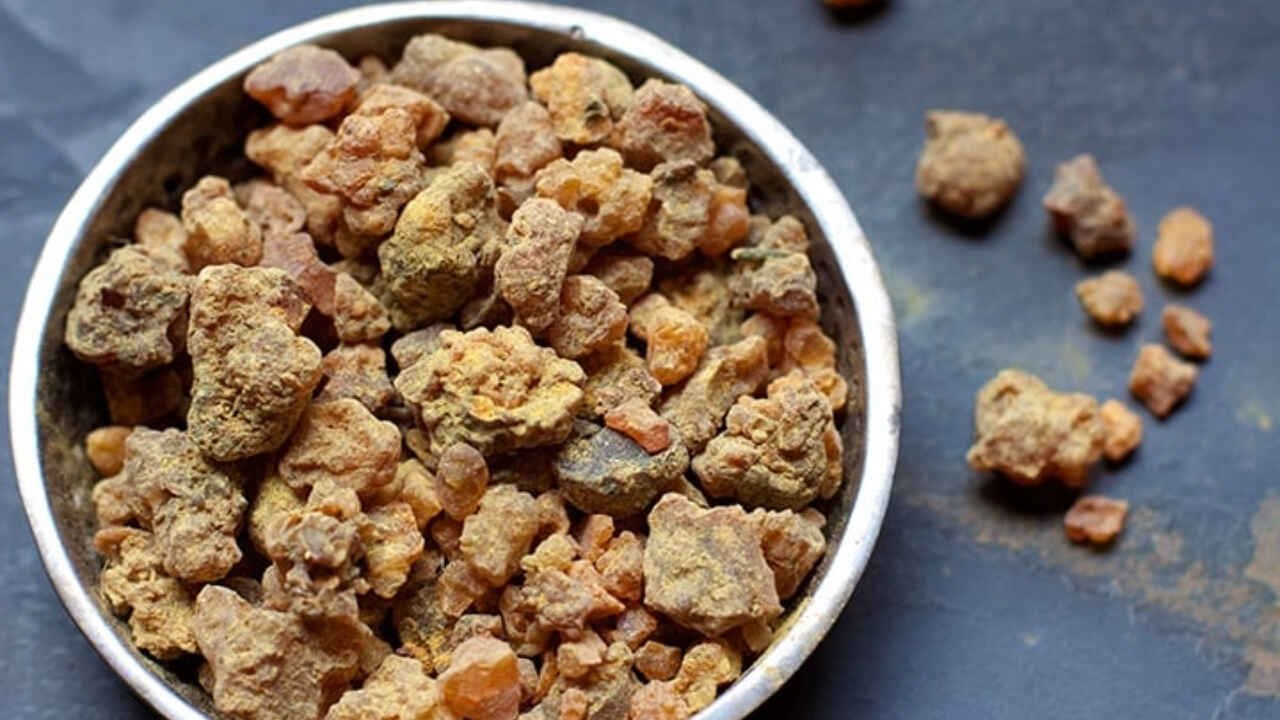
The suggested mixture uses alum, baking soda and turmeric. According to the method shared by health coach Shivangi Desai, alum is first made into a fine powder. It is then combined with baking soda before the mixture is gently heated. After cooling, the hardened mixture is ground again into a fine powder. Turmeric is then added in an amount equal to the baking soda and mixed thoroughly.
The mixture is traditionally suggested for gentle brushing. However, using homemade abrasive powders on teeth requires caution. Baking soda can help clean some surface stains because of its mild abrasive nature, but repeatedly scrubbing the teeth too hard can contribute to enamel wear. Enamel does not grow back once it is significantly lost, so aggressive brushing should be avoided.
There is also an important difference between removing surface stains and actually whitening teeth. Surface stains caused by foods and drinks may sometimes become less noticeable with proper cleaning, while deeper tooth discolouration may have a completely different cause. A homemade powder cannot be expected to change the natural colour of teeth or treat every type of staining.
Turmeric is included in the suggested mixture because it contains curcumin and has been studied for its biological properties. Some research has explored turmeric and oral health, but that does not mean turmeric powder can replace toothpaste, professional dental treatment or proven methods for managing gum disease and tooth decay.
Alum is another ingredient in the recipe, but it should not automatically be considered a safe replacement for standard dental products simply because it is commonly used in household or traditional remedies. The safety of repeatedly applying a homemade combination inside the mouth depends on the ingredients, concentration and frequency of use.
For everyday dental care, brushing twice a day with fluoride toothpaste remains an important basic habit. Cleaning between teeth, limiting frequent sugary foods and drinks, and having regular dental checkups can also help maintain oral health.
People who drink several cups of tea or coffee every day may notice surface staining over time. Rather than relying only on a homemade powder, improving brushing habits and discussing persistent stains with a dentist can provide a safer approach. Tobacco can also contribute to staining and other oral health problems.
The way the powder is used is particularly important. If someone chooses to try a homemade mixture after discussing it with a dental professional, it should never be rubbed aggressively against the teeth or gums. Any burning, increased sensitivity, gum irritation or discomfort is a reason to stop using it.
People with sensitive teeth, bleeding or swollen gums, cavities, damaged enamel or other existing dental problems should be especially careful. A dentist can identify whether the yellow appearance comes from surface staining, plaque buildup, enamel changes or another dental condition.
It is also worth remembering that a bright smile does not necessarily mean perfectly white teeth. Healthy teeth can naturally have a slightly yellowish shade, and trying to make them extremely white through abrasive methods may do more harm than good.
The homemade tooth powder idea may sound simple because the ingredients are inexpensive and easily available. Still, the claim of achieving white teeth in exactly two weeks is not supported as a guaranteed dental outcome. Good oral hygiene and professional advice remain more reliable when there are persistent stains or other mouth problems.
For anyone concerned about yellow teeth, the safest first step is to understand what is causing the discolouration. Regular brushing with fluoride toothpaste, proper cleaning between teeth and routine dental care can address many everyday problems without unnecessarily exposing enamel to excessive abrasion.