Heart Health Tips To Check Your Heart Health In Five Minutes
Heart health can be assessed through everyday signs such as resting heart rate, blood pressure, exercise tolerance and recovery, but these checks cannot replace medical evaluation.
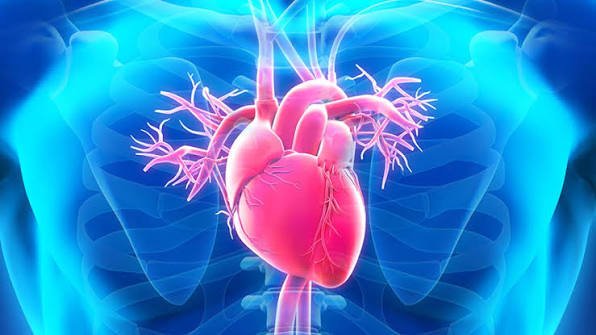
Taking care of the heart does not always begin with a complicated medical test. Some simple observations in daily life can offer useful clues about how the body is responding to normal activities.
Resting heart rate is one such measure. For many adults, a resting heart rate between 60 and 100 beats per minute is considered a typical range. People who exercise regularly can sometimes have a lower resting rate. However, one reading alone cannot determine whether a heart is healthy.
The reading can change because of several factors, including physical activity, stress, medicines, fitness level and other health conditions. Looking at the usual pattern over time is therefore more useful than becoming concerned about a single number.
Blood pressure is another important part of heart health. A reading around 120 over 80 mmHg is generally considered close to the normal range, although blood pressure can vary throughout the day. Regular monitoring becomes particularly useful as people get older or when a doctor has recommended checking it.
Rather than judging health from one blood pressure reading, repeated measurements taken under suitable conditions can provide a clearer picture. Anyone who consistently gets unusually high or low readings should discuss them with a healthcare professional.
Everyday physical activity can also reveal changes worth noticing. Walking quickly, climbing stairs or doing routine activities usually causes the heart rate and breathing rate to increase. That response is normal because the muscles need more oxygen during activity.
Some breathlessness after climbing several stairs can be completely normal, especially for someone who does not exercise regularly. The more useful question is whether there has been a noticeable change from a persons usual ability. Unexplained or severe breathlessness, unusual tiredness or chest discomfort during ordinary activity deserves attention.
Recovery after exercise is another useful observation. The heart naturally beats faster while exercising and should gradually slow after the activity stops. A steady return toward the usual resting level reflects the bodys recovery process.
This does not mean people should measure their heart rate obsessively or try to judge their heart health from a stopwatch alone. Fitness, age, medicines and the intensity of exercise can all affect recovery. Persistent or unusual changes are better discussed with a healthcare professional.
Swelling in the feet, ankles or legs is another sign that should not simply be ignored when it appears repeatedly without an obvious reason. Swelling can have many possible causes, including prolonged sitting, certain medicines and other medical conditions. In some situations, fluid buildup or circulation related problems may also be involved.
Sudden or persistent swelling should therefore be assessed rather than automatically being linked to heart disease. The surrounding symptoms and a persons overall health history are important when determining the cause.
There is one symptom that deserves particular caution. Chest pain, pressure or tightness, especially during physical activity, should not be casually dismissed. It can have several causes, but some causes require urgent medical attention.
Chest discomfort accompanied by difficulty breathing, dizziness, fainting, cold sweating or severe weakness can be a warning sign of a serious problem. In such circumstances, immediate medical help may be necessary.
These simple observations can help people become more aware of changes in their health, but they are not a five minute test that can prove the heart is completely fit. Heart disease can sometimes develop without obvious symptoms, which is why routine health checks remain important.
A balanced diet, regular physical activity, adequate sleep, avoiding tobacco and keeping conditions such as high blood pressure under control can all contribute to long term cardiovascular health. People with concerns about their symptoms or risk factors should seek advice from a qualified healthcare professional.
The main takeaway is simple. Pay attention to how the body normally responds to rest and activity, monitor important measures such as blood pressure when appropriate and do not ignore unusual symptoms. These habits can help people recognise changes early and seek medical advice when needed.