Healthy Eating Rules That Can Improve Digestion Health And Longevity According To Traditional Wisdom
Ancient eating practices suggest simple food habits like proper cleanliness mindful serving and post meal discipline may support better digestion improved health and a more balanced lifestyle when followed consistently in daily routine

Healthy living is not only about what we eat but also about how we eat it. Traditional scriptures and cultural practices have long emphasized that the manner of consuming food plays a major role in maintaining good health and longevity. According to scholars and astrologers, many of these food related rules mentioned in ancient texts like Brahma Purana can still be understood through a practical and scientific lens today.
One of the most basic yet important practices is maintaining cleanliness before meals. Washing hands and feet before eating is believed to create a calm and hygienic state of mind. It is also advised to avoid eating while wearing footwear or covering the head, as these habits are thought to disturb mental focus during meals and reduce mindfulness while eating.
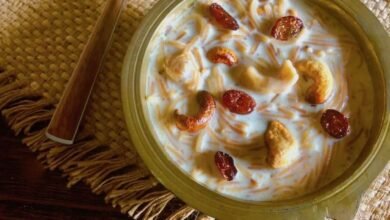
The beginning of a meal is also considered significant in traditional guidance. It is said that one should offer respect to food before starting and begin with something sweet or nourishing like ghee or payasam. Salt is generally suggested to be consumed in the middle of the meal rather than at the beginning, as per customary practices followed in many households.
Serving food properly is another key aspect highlighted in these traditions. Food is ideally served using a ladle, and when eating on a banana leaf, proper placement of dishes is considered important for balance and hygiene. Some customs also suggest avoiding mixing milk and curd together in the same meal, as part of dietary discipline passed through generations.
Lighting conditions during meals are also given importance. Eating in complete darkness is traditionally discouraged. If electricity goes off during a meal, it is considered better to pause and resume eating once proper light is restored, ensuring awareness and safe consumption of food.
There are also beliefs linked to specific days and food combinations. Certain foods are traditionally avoided on particular lunar days, based on seasonal and cultural observations. While these practices vary across regions, they reflect an effort to align diet with natural cycles and well being.
The way food is consumed is equally emphasized. Taking small bites and chewing properly is believed to improve digestion and help the body absorb nutrients more effectively. Mindful eating is encouraged instead of rushing through meals, allowing the digestive system to function smoothly.
After meals, simple habits are recommended for better health. Sitting or walking gently for a short time after eating is considered beneficial, while immediately lying down is discouraged. Some traditions also suggest gently rubbing the stomach and mentally expressing gratitude, which is believed to support digestion and relaxation.
Overall, these traditional eating rules are seen not just as rituals but as a structured lifestyle approach. When followed thoughtfully, they encourage discipline, awareness and better physical well being, contributing to a healthier and more balanced life.