Grow Green Chillies in a Small Pot With Simple Kitchen Seeds
Growing green chillies at home does not require a large garden or expensive supplies. With dried chilli seeds, suitable soil, sunlight and regular care, a small pot can produce fresh chillies.
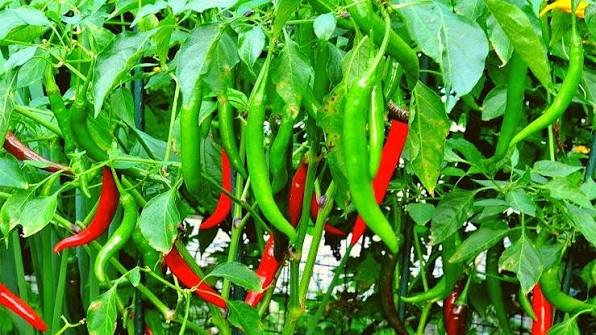
For many households, having fresh green chillies available at home can be surprisingly convenient. A small plant placed on a balcony, terrace or near a sunny window can provide chillies for everyday cooking without needing a large garden.
The good news is that you do not necessarily need to buy special seeds to get started. Seeds collected from good quality dried red chillies can be used to raise chilli seedlings at home. With the right growing conditions and a little patience, the plant can eventually produce plenty of fresh green chillies.
The first step is choosing healthy seeds. Remove the seeds from mature dried chillies and select those that look clean and well developed. Soaking them in lukewarm water for around two to three hours is one commonly used method before sowing.
Once the seeds are ready, prepare a loose and fertile growing medium. Place the seeds about half an inch below the surface and cover them with a thin layer of soil. Avoid pressing the soil down heavily because the young seeds need suitable conditions to germinate.
Watering at this stage needs some care. Instead of pouring a large quantity of water directly over the seeds, use a spray bottle to keep the soil gently moist. Excess water can disturb the seeds and may also create conditions that encourage fungal problems.
Keep the container in a bright location while the seeds are germinating. Young seedlings should be protected from harsh direct sunlight during their earliest stage. Once the seedlings become stronger, they can gradually be exposed to more sunlight.
The growing medium becomes particularly important when the seedlings are ready for a larger pot. Ordinary garden soil can be mixed with vermicompost or well prepared organic manure. A little cocopeat or sand can also help keep the mixture loose and improve drainage.
Good drainage should never be overlooked. The pot needs holes at the bottom so that excess water can escape. Water remaining around the roots for long periods can damage the plant and increase the risk of root problems.
When the seedlings reach around four to five inches and develop healthy leaves, they can be moved into a larger container. A pot measuring around 10 to 12 inches can provide enough room for a chilli plant to develop. During transplantation, handle the roots carefully to reduce stress.
The newly transplanted plant can be kept in a relatively shaded location for a couple of days. After it settles into the new pot, gradually move it to a place where it receives adequate sunlight.
Chilli plants generally need several hours of sunlight each day for healthy growth and flowering. Around five to six hours of sunlight can be useful, although plants may need some protection from extremely harsh afternoon heat during summer.
Watering should be based on the condition of the soil rather than following a strict daily schedule. Check the upper layer of soil and water when it becomes dry. The aim is to keep the plant adequately moist without leaving the roots sitting in water.
There is also a simple pruning technique that can encourage the plant to develop more side branches. Once the chilli plant has grown sufficiently, the soft growing tip can be gently pinched or trimmed using clean scissors. This encourages lateral growth and can help the plant become bushier.
A bushier plant can develop more branches, which may provide more places for flowers and eventually chillies to form. However, pruning should be done carefully and excessive cutting should be avoided, particularly when the plant is still young.
Regular nutrition can also support continued growth. A small quantity of vermicompost or suitable organic manure can be added around the plant every 20 to 30 days. Mix it lightly into the upper layer of soil and water afterward.
Pest problems should be monitored early. Check the underside of leaves regularly for insects, curling leaves or other visible changes. If pests appear, a properly diluted neem oil solution is one commonly used gardening option. It should be applied according to the product instructions because using a strong concentration can damage leaves.
The plant also benefits from good airflow. Keeping several pots too close together can create a humid environment around the leaves and increase the possibility of plant problems. Giving each plant enough space can help maintain healthier growth.
Fresh chillies should be harvested once they reach a suitable size. Regular harvesting can also encourage the plant to continue flowering and producing more fruit over time.
Growing chillies in a container is therefore less about spending money and more about getting the basic conditions right. A suitable pot, fertile soil, drainage, sunlight, careful watering and occasional feeding can make a noticeable difference.
For people living in apartments, the method can be especially useful because a balcony or sunny window area may be enough to maintain a small chilli plant. It is a simple way to bring edible gardening into a limited space while making use of seeds that might otherwise be discarded.