Fermented Rice Breakfast Offers Probiotics and Essential Nutrients
Fermented rice is a traditional breakfast that can provide carbohydrates, minerals and beneficial bacteria, while proper preparation and safe food handling remain important for healthy consumption.
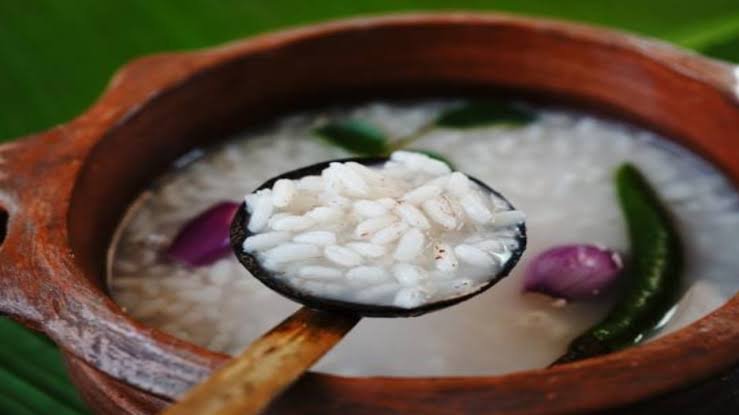
Traditional foods often return to the spotlight when people look for simple and affordable breakfast choices. Fermented rice, commonly known as chaddannam in parts of India, is one such dish that has been prepared in households for generations.
Unlike a regular bowl of cooked rice, fermented rice is prepared by allowing cooked rice to ferment before it is eaten. The fermentation process can introduce beneficial microorganisms, although the exact nutritional value depends on the ingredients, preparation method and fermentation conditions.
One reason this breakfast continues to attract attention is its combination of carbohydrates and minerals. Rice provides energy, while ingredients such as curd and milk can contribute nutrients including calcium and other minerals.
Fermented foods can also contain beneficial bacteria that support the normal balance of microorganisms in the digestive system. However, fermented rice should not be described as a medicine or a guaranteed treatment for health conditions. Its benefits are better understood as part of an overall balanced diet.
The preparation method can vary from one household to another. Traditionally, cooked rice is cooled and mixed with curd or another suitable fermenting ingredient before being left to ferment. Some preparations also use milk, depending on local customs and personal preference.
If the dish is prepared at home, food safety deserves particular attention. Cooked rice can support the growth of harmful bacteria if it is left at unsafe temperatures for too long. Rice should therefore be handled carefully, stored appropriately and consumed within a safe period rather than assuming that fermentation automatically makes it safe.
Once the fermented rice is ready, people commonly add ingredients such as onion, green chilli, ginger, curry leaves and salt for flavour. These additions can make a simple breakfast more enjoyable while contributing their own nutrients and plant compounds.
The dish can also be made with different types of rice. Some households prefer white rice, while others choose brown rice because it generally contains more fibre. The choice can depend on taste, dietary needs and availability.
Digestive health is one area often associated with fermented foods. Beneficial microorganisms may support gut health, although the amount and type of bacteria present can differ significantly depending on the fermentation process.
Fermented rice also provides carbohydrates, making it an energy supplying food. For people who prefer a traditional breakfast before starting their daily activities, it can be a filling option when combined with vegetables, pulses or other nutritious foods.
Minerals such as calcium and potassium are important for normal body functions. Their contribution to the diet depends on the complete recipe rather than fermented rice alone. Milk or curd used in the preparation can increase the nutritional value by adding protein and calcium.
There are also several claims that fermented rice can directly control diabetes, cure nerve related problems, prevent cancer or cause significant weight loss. Such claims should be treated carefully. There is not enough evidence to consider fermented rice a standalone treatment or prevention method for these conditions.
For people trying to manage their weight, portion size and the overall quality of the diet matter more than relying on one particular breakfast. Adding vegetables, protein rich foods and other nutrient dense ingredients can make the meal more balanced.
The same principle applies to immunity and general wellness. A nutritious diet, adequate sleep, regular physical activity and good food hygiene all play a role in maintaining health. No single traditional food can provide complete protection from illness.
For a simple serving, fermented rice can be mixed with chopped onion, green chilli and small pieces of ginger. Curry leaves and crushed pepper can also be added according to taste. The result is a traditional meal that requires relatively simple ingredients.
People with specific dietary restrictions, digestive problems or other health concerns should consider their individual needs before making fermented rice a regular part of their diet. Proper preparation and storage are especially important when cooked rice is involved.
Fermented rice remains an interesting example of how traditional food practices can fit into modern meals. When prepared safely and eaten as part of a varied diet, it can offer a convenient combination of energy, nutrients and fermented food benefits without needing complicated ingredients.