Easy Tips To Make Soft And Fluffy Idlis At Home
Soft idlis at home depend on proper soaking, grinding and fermentation, while adding sago can improve texture and help create fluffy steamed idlis without using any baking soda at all.
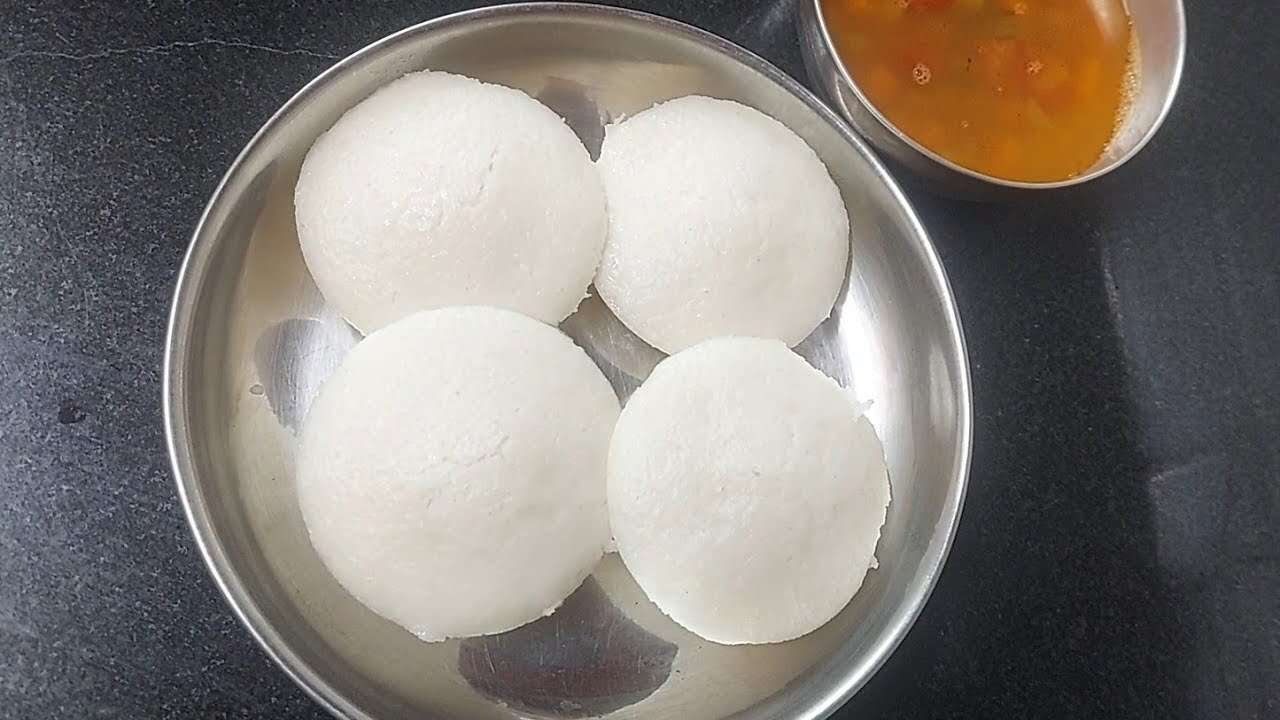
Idli remains one of the most popular breakfast choices in South Indian homes. It is steamed rather than fried, making it a convenient option for a morning meal. Still, getting the texture right can be a little tricky. Sometimes the batter looks perfect but the idlis turn out firm instead of soft and fluffy.
The good news is that the texture largely depends on a few basic steps. The right soaking time, careful grinding and proper fermentation can make a noticeable difference. Adding a small quantity of sago to the batter is another commonly used kitchen trick for achieving softer idlis.
For this version, the main ingredients are idli rice, urad dal and sago. The recipe does not require baking soda.
Ingredients
Two cups idli rice
Half a cup urad dal
Quarter cup sago
Salt as needed
Water as required
The preparation starts with soaking, which should not be rushed. Wash the idli rice thoroughly two or three times and place it in a bowl with enough water. In another bowl, wash the urad dal and soak it separately. The sago should also be cleaned and soaked in water.
All three ingredients should ideally be soaked for around eight hours. Proper soaking allows the ingredients to soften and makes grinding easier. It also helps create the right consistency for the batter.
After soaking, drain the water from the rice, urad dal and sago. Rinse them again with fresh water and drain well before grinding.
If a mixer grinder is being used, the ingredients can be ground separately. Start with the rice and add water little by little until it becomes a smooth paste. Transfer it to a large bowl.
Next, grind the urad dal until it becomes soft and reasonably fluffy. Add it to the same bowl. Finally, grind the soaked sago until smooth and combine it with the rest of the batter.
Those using a traditional wet grinder can grind the ingredients together if preferred. The important point is to avoid adding too much water at once. The batter should be smooth but not excessively thin.
Once grinding is finished, mix the batter thoroughly by hand. This step is often considered useful for helping the fermentation process. Cover the bowl and leave it in a warm place for approximately eight hours or overnight.
Fermentation is one of the most important stages of the recipe. Depending on the temperature, the batter may take more or less time to ferment. Properly fermented batter should become visibly lighter and increase in volume.
Once the batter has fermented, gently mix it and add salt according to taste. There is no need to add baking soda when the batter has fermented properly.
Prepare the idli plates by applying a small amount of oil if needed. Pour the batter into the moulds without filling them completely, as the idlis need some room to rise while steaming.
Heat water in the idli steamer and place the filled plates inside. Cover the steamer and cook the idlis over medium heat for around ten minutes. Cooking time can vary slightly depending on the steamer and the quantity of batter used.
Once they are cooked, remove the plates carefully and allow them to sit for a short while. A spoon or suitable idli tool can then be used to remove the idlis from the moulds.
Freshly steamed idlis can be served with sambar, coconut chutney, peanut chutney or tomato chutney. Their soft texture makes them suitable for a simple breakfast as well as a more filling meal.
The biggest difference between soft idlis and firm ones often comes down to the batter rather than any special ingredient. Poor soaking, insufficient fermentation or incorrect batter consistency can affect the final result.
It is also worth remembering that fermentation time cannot always be fixed at exactly eight hours. In cooler conditions, the batter may need additional time, while warmer conditions can speed up the process. Keeping an eye on the batter instead of following the clock alone can give better results.
There is also no need to aggressively stir the fermented batter. Mixing it gently helps retain some of the air developed during fermentation, which can contribute to a lighter texture.
With properly soaked ingredients, smooth grinding and adequate fermentation, homemade idlis can turn out soft and fluffy without relying on baking soda. The recipe is simple, but giving each stage enough attention is what makes the difference.