
Easy Idli Recipe For Soft And Spongy Idlis At Home
Making soft idlis at home becomes much easier with the right rice, dal ratio, proper fermentation and careful steaming, helping achieve fluffy results every time.
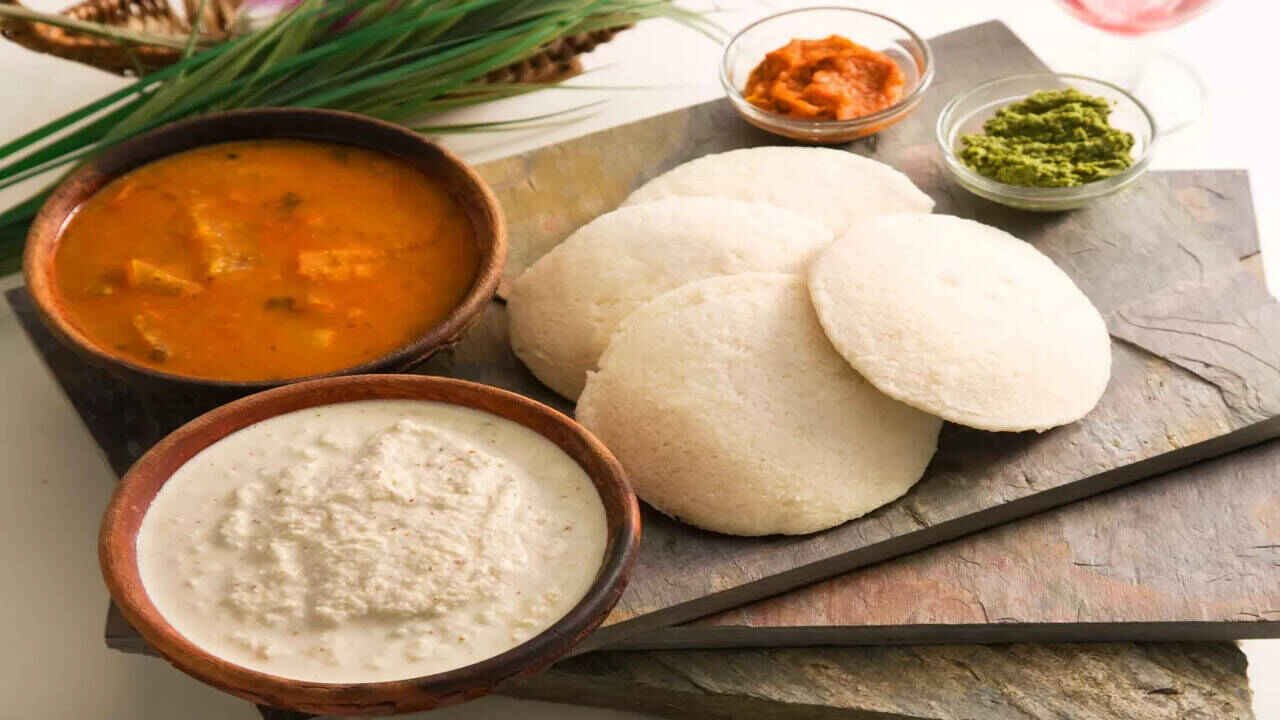
Idli remains one of the most loved breakfast dishes across South India. It is light, simple and usually enjoyed by people of all age groups. Yet, getting the same soft and fluffy texture found in restaurants can sometimes be a challenge at home.
Many home cooks end up with idlis that are hard, sticky or unevenly cooked. The good news is that the problem is often not the recipe itself. Small details such as the proportion of urad dal and idli rava, the way the dal is ground and the time given for fermentation can make a noticeable difference.
The process actually starts several hours before the idlis reach the steamer. For a reliable batter, one cup of skinned urad dal can be used with around two to two and a half cups of idli rava. The exact amount can be adjusted depending on the quality of the dal and the consistency of the batter.
Wash and soak the urad dal separately for about four to five hours. The idli rava can be soaked for around two to three hours. Keeping them separate during soaking makes it easier to prepare the batter with the desired consistency.
A small amount of fenugreek seeds can also be added while soaking the dal. Around one teaspoon is generally enough. Some cooks also add soaked poha or a little cooked rice while grinding the dal. These additions can help produce a softer texture.
Grinding the urad dal properly is one of the most important steps. Instead of pouring a large quantity of water at once, add cold water little by little while grinding. This helps prevent the batter from becoming excessively warm. The dal should be ground until it becomes smooth, light and fluffy.
Once the dal is ready, drain the soaked idli rava thoroughly and mix it into the batter. The mixture should be neither too thick nor too watery. A properly balanced batter should have enough consistency to hold its shape while still being easy to pour into the idli moulds.
Fermentation is where the batter gets much of its character. Keep the prepared batter in a warm place for around eight to ten hours. It should rise noticeably before it is used. During colder weather, fermentation may take longer. Keeping the container in a warm area of the kitchen can help the process along.
The steaming stage is equally important. Bring the water in the idli steamer to a good boil before placing the filled idli plates inside. Steam the idlis over medium heat for roughly ten to twelve minutes. Over steaming can make them firm and reduce the soft texture people usually expect.
After switching off the stove, allow the plates to rest for about two minutes. A spoon lightly moistened with water can then be used to remove the idlis from the moulds. This makes the process easier and helps prevent the freshly steamed idlis from sticking.
For consistently soft idlis, there is no single secret trick. The result comes from getting several small steps right. Good quality ingredients, adequate soaking, fluffy grinding, proper fermentation and controlled steaming together make the difference.
With a little practice, making restaurant style soft idlis at home can become a much simpler morning routine. Serve them fresh with sambar, coconut chutney or another preferred accompaniment for a comforting breakfast.