Curry Leaves May Offer Several Health Benefits When Added to Your Diet
Curry leaves are a familiar ingredient in Indian kitchens, and research suggests their plant compounds may support metabolic health, although stronger evidence is still needed.
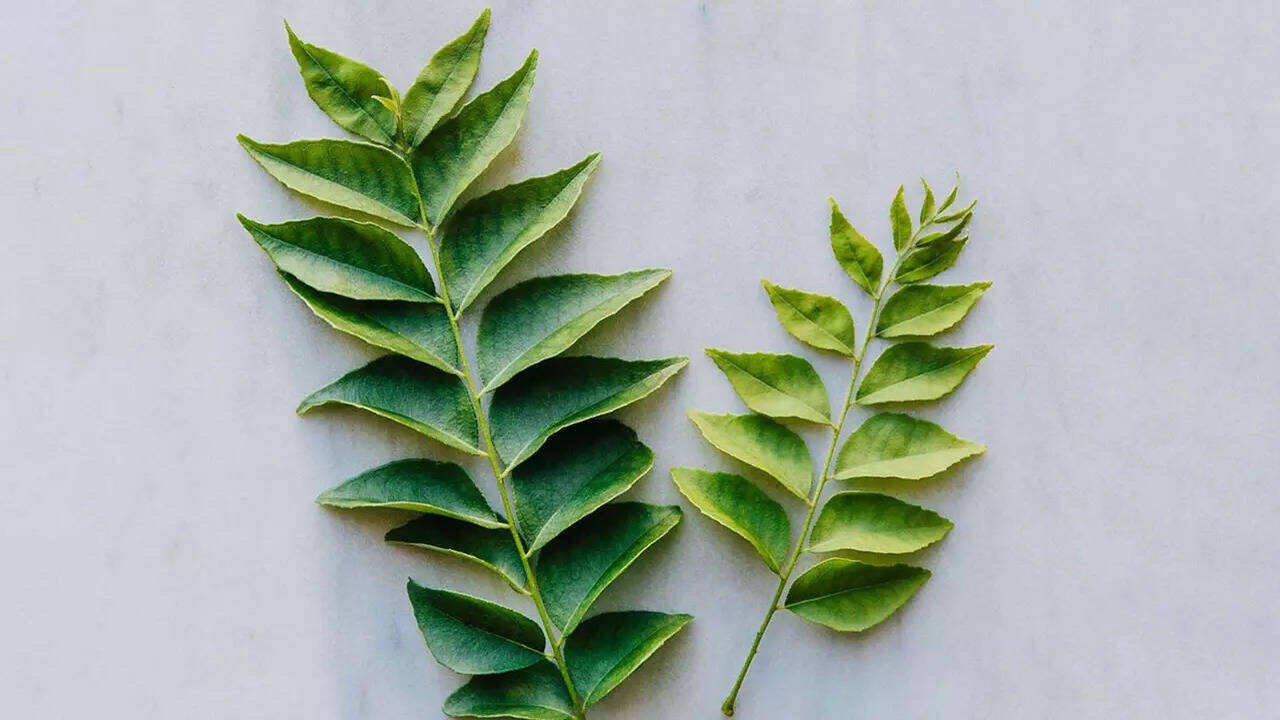
Curry leaves contain plant compounds with antioxidant potential.
Curry leaves may support healthy blood sugar levels.
Curry leaves can be part of a balanced everyday diet.
Why Curry Leaves Are Getting Attention
Curry leaves are usually added to curries, chutneys and tempering for their distinctive aroma. But beyond flavour, the leaves contain several naturally occurring plant compounds that have attracted scientific interest.
Research has identified antioxidant, anti inflammatory and other biological properties in curry leaves. However, many findings come from laboratory or animal studies, so they should not be treated as proof that eating a few leaves every morning can prevent or cure a disease.
Blood Sugar Support Is Being Studied
One area that has received particular attention is blood sugar management. A small human study published in 2023 found that curry leaf extract supplementation was associated with reductions in fasting blood sugar, random blood sugar and HbA1c among participants with type 2 diabetes. The study was limited in size, so more research is needed before firm conclusions can be drawn.
Earlier research has also examined curry leaves and their possible effects on glucose metabolism. Reviews suggest there is promising evidence, but much of it comes from animal and laboratory experiments rather than large human clinical trials.
For that reason, curry leaves should be viewed as a nutritious food addition rather than a replacement for prescribed diabetes treatment.
What About Digestion and Weight Management
Curry leaves are naturally used in traditional diets and contain fibre and various plant compounds. Their nutritional profile makes them a useful addition to regular meals, but claims that chewing a fixed number of leaves on an empty stomach will directly burn fat or cure digestive problems are not well established by clinical evidence.
Some experimental research has found that compounds from curry leaves may influence fat metabolism, inflammation and glucose handling. These findings are interesting, but they do not mean that eating four leaves alone will lead to significant weight loss.
A healthier approach is to include curry leaves as part of an overall balanced diet that also contains vegetables, whole grains, pulses and adequate protein.
How to Include Curry Leaves in Everyday Food
There is no strong clinical evidence showing that four fresh curry leaves must be eaten on an empty stomach to obtain their benefits. They can simply be included in everyday cooking.
Fresh leaves can be added to dal, vegetables, chutneys, rice dishes and other preparations. Some people also use them in homemade drinks or traditional preparations, but concentrated extracts should not automatically be considered safer or more effective than the food itself.
Anyone taking medicines for diabetes should also avoid changing treatment based only on claims about curry leaves. Although research into their blood sugar effects is encouraging, the available evidence is not strong enough to replace medical advice.
For most people, the simplest takeaway is quite practical. Curry leaves can add flavour and useful plant compounds to meals, and including them regularly can be part of a healthy eating pattern. The bigger health benefits, however, come from the overall diet and lifestyle rather than from one morning habit alone.