
Chicken After Meals: Foods You May Want to Avoid for Better Digestion
Chicken is a popular protein rich food, but pairing a heavy chicken meal with certain foods can leave some people feeling bloated, uncomfortable or sluggish afterward.
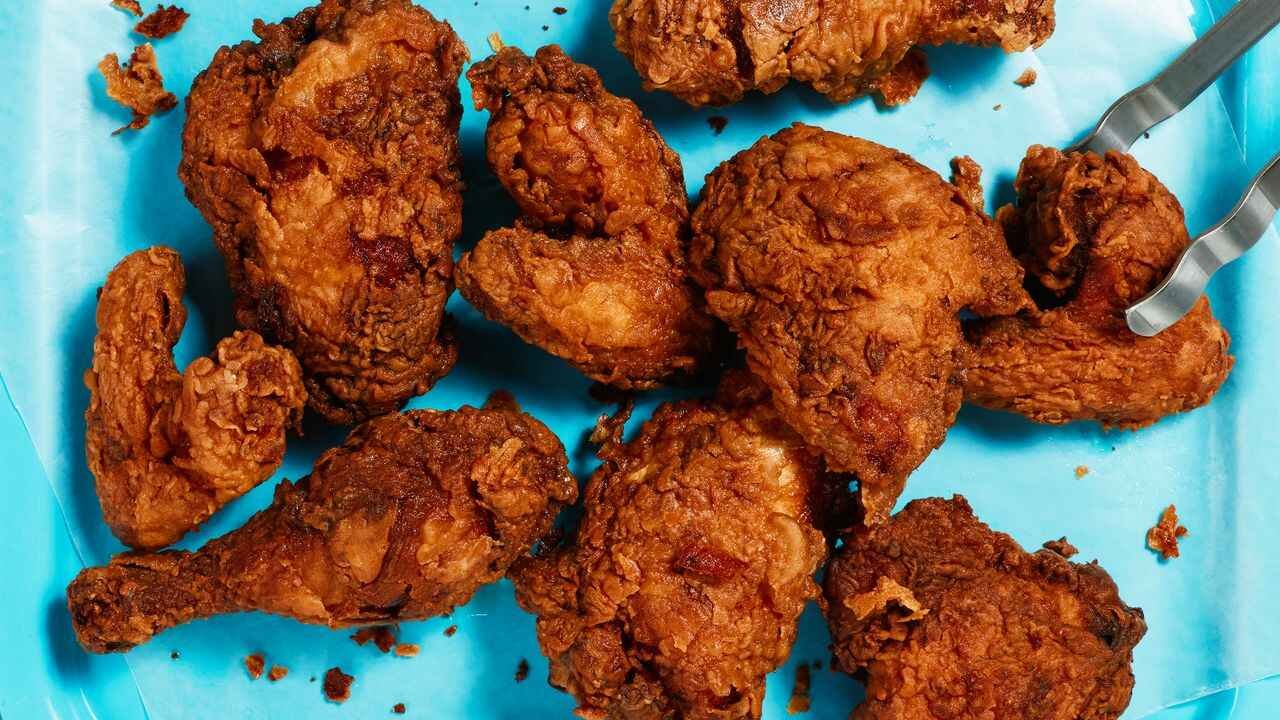
Chicken remains a popular choice for many non vegetarian meals because it provides high quality protein and can be prepared in several ways. From curry and biryani to grilled and roasted dishes, chicken is regularly included in meals at home and restaurants.
However, what comes after the meal can also affect how comfortable you feel. Contrary to some popular claims, foods such as milk, citrus fruits or sweets do not suddenly become poisonous when eaten after chicken. Still, combining several heavy, sugary, acidic or oily foods may leave some people feeling uncomfortable.
Here are a few food combinations that may be better limited immediately after a heavy chicken meal.
Dairy products may cause discomfort
Milk, curd and paneer are nutritious foods, but having a large amount of dairy immediately after a heavy chicken meal may feel uncomfortable for some people. Those who are sensitive to dairy can experience bloating, gas or indigestion.
There is no strong evidence that chicken and dairy become toxic when consumed together. The issue is more likely to be individual digestion and the overall heaviness of the meal.
Be careful with sweets and ice cream
Finishing a rich chicken meal with cakes, sweets or ice cream can add a considerable amount of sugar and fat. This combination may make the stomach feel excessively full and can contribute to sluggishness.
Sugary foods do not automatically cause a dangerous rise and fall in blood sugar in every healthy person, but regularly consuming large amounts of added sugar is not considered a healthy habit.
Citrus fruits need not be completely avoided
Lemon, orange and other citrus fruits are often mentioned in lists of foods that should not be eaten after chicken. In reality, citrus fruits do not become harmful or poisonous when consumed after chicken.
However, people who frequently experience acidity or acid reflux may notice more discomfort after acidic foods. For them, eating citrus fruits immediately after a spicy or oily chicken meal may not be comfortable.
Limit deep fried foods after a heavy meal
This is one combination worth watching. If chicken has already been fried or cooked with plenty of oil, adding chips, pakoras, fried snacks or other greasy foods can make the meal particularly heavy.
High fat meals generally take longer to digest and may leave some people with bloating, heaviness or discomfort. Choosing lighter side dishes and reasonable portions can make the meal easier to manage.
Timing and portion size matter
The idea that certain foods turn poisonous when eaten after chicken is misleading. Food safety depends more on proper cooking, storage and handling than on a particular food combination.
For better digestion, nutrition experts generally recommend paying attention to portion sizes and eating a varied, balanced diet. If a particular combination repeatedly causes bloating, acidity or stomach discomfort, it may be sensible to reduce it and observe how the body responds.
People with persistent digestive symptoms should speak with a qualified healthcare professional rather than relying on food combination rules circulating online. A person’s tolerance can vary considerably, and a food that causes discomfort for one person may be perfectly suitable for another.
Chicken can therefore remain part of a healthy diet when it is properly cooked and eaten in sensible portions. Instead of fearing ordinary food combinations, the focus should be on overall diet quality, moderation and personal tolerance.
Chicken protein can support a balanced diet.
Dairy may cause discomfort for some people.
Deep fried foods can make meals heavier.