Brown Eggs Are Not Always Country Eggs Know What Really Matters Before Paying More
Brown eggs are often considered country or organic eggs, but shell colour mainly depends on chicken genetics, while freshness, feed, storage and quality matter more.
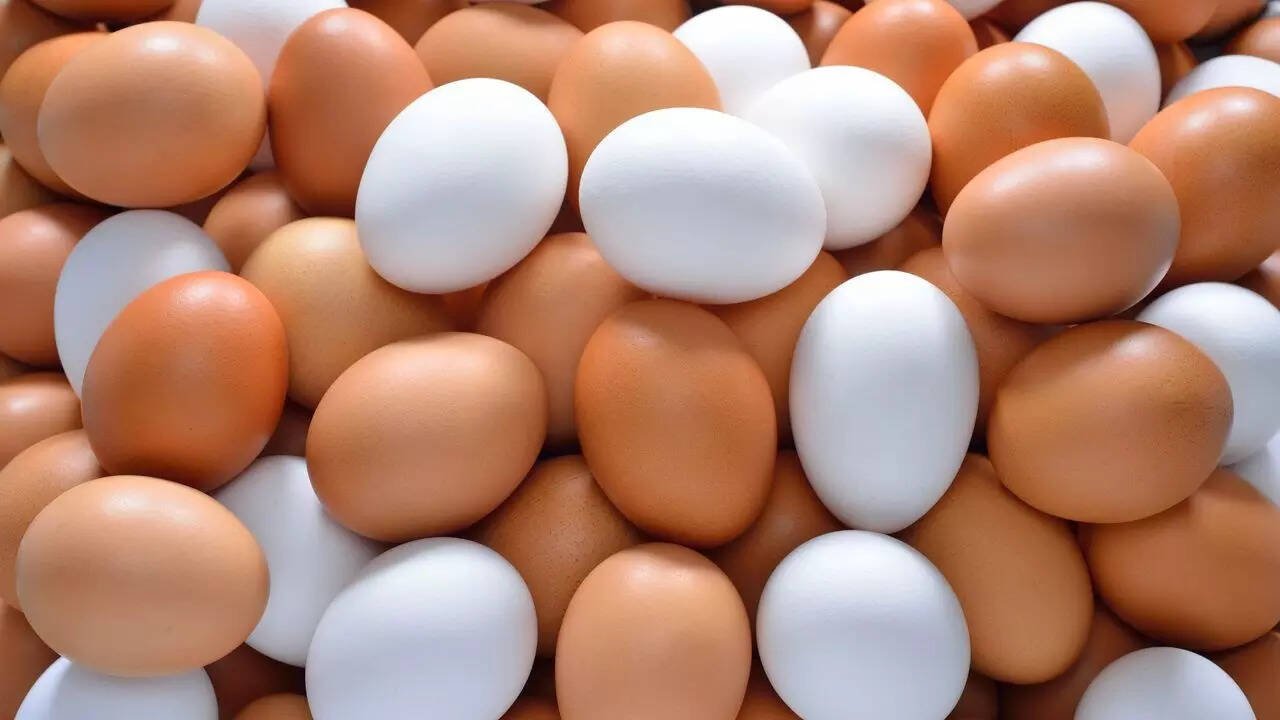
Eggs are a common part of many diets because they provide protein along with several vitamins and minerals. Yet, one question often comes up while shopping for them. Are brown eggs actually better than white eggs?
The answer may surprise many buyers. The colour of an eggshell does not by itself tell you whether the egg came from a country chicken, a farm raised bird or an organic production system. Some chicken breeds naturally produce white eggs, while others lay brown or darker coloured eggs. Commercially raised chickens can also produce brown eggs.
This means paying a higher price simply because the shell is brown does not necessarily guarantee better quality or greater nutritional value.
Why Are Some Eggs Brown?
The colour of an eggshell is largely linked to the genetics and breed of the hen. Different breeds produce different shell colours, and this characteristic can remain consistent within a particular breed.
Brown egg laying breeds are widely used in commercial poultry farming as well. Therefore, the assumption that every brown egg is a traditional country egg is not accurate.
The same applies to the word organic. Egg colour alone cannot establish whether an egg was produced under organic farming practices. Buyers need to check the product information and source rather than relying only on appearance.
Does Brown Colour Mean More Nutrition?
In general, shell colour does not create a major nutritional difference between brown and white eggs. The nutritional composition can vary depending on factors such as the hen’s breed, diet and farming conditions.
For consumers, this means a brown shell should not automatically be associated with higher protein or superior nutrition. A white egg is not necessarily less nutritious either.
How To Choose Fresh Eggs
Freshness is more useful than shell colour when selecting eggs. For packaged eggs, check the packing information and dates printed on the package. Choosing eggs that have been stored properly and are within the recommended period is a sensible step.
Some people also use a simple water test at home. Place an egg in a bowl of water. A fresh egg is more likely to remain at the bottom, while an older egg may stand upright. If it floats, it may be considerably older.
However, the water test should not be treated as the only way to determine whether an egg is safe to eat. Storage conditions and other signs also need to be considered.
Another useful check can be made after cracking the egg into a separate bowl. A fresher egg generally has a yolk that holds its shape better, while the white may appear thicker around it. Older eggs can have a flatter yolk and a thinner white.
Smell is also important. If an egg gives off a strong unpleasant odour after being cracked, it should not be consumed.
Proper Storage Matters
Even a good quality egg can deteriorate if it is stored incorrectly. Follow the storage instructions provided on packaged eggs. Refrigeration can help maintain quality when eggs need to be kept for a longer period, provided they are handled and stored appropriately.
Consumers should also avoid washing eggs unnecessarily if they are already commercially cleaned and packaged, as washing can affect the natural protective layer on the shell. Following the storage guidance provided with the product is the safest approach.
Does A Bigger Egg Have More Protein?
Egg size can make a difference to the total amount of nutrients in an individual egg because a larger egg contains more edible material. As a result, a large egg may provide more total protein than a smaller egg.
However, size is a separate factor from shell colour. Buyers should therefore consider the egg size they need rather than assuming that a brown shell means more protein.
Why Do Brown Eggs Sometimes Cost More?
Brown eggs can sometimes be sold at a higher price because consumers associate them with country eggs, traditional farming or a more natural product. But shell colour alone does not justify paying extra.
Before spending more, buyers can check the packaging, producer information, farming claims and storage details. If a product is marketed as country or organic, those claims should be supported by appropriate information rather than inferred from the colour of the shell.
For everyday buyers, the main takeaway is simple. Do not judge an egg only by its appearance. Brown and white eggs can both be suitable choices, and freshness, proper handling, storage, source and overall quality are more useful factors when making a purchase.
The next time brown eggs catch your attention at a market or shop, there is no need to immediately assume that they are country eggs. Understanding what actually determines shell colour can help consumers make a more informed choice and avoid paying extra based on a common misconception.