Atukulu Laddu Recipe For Krishna Janmashtami With Jaggery And Peanuts
This traditional atukulu laddu combines roasted poha, peanuts, jaggery, coconut, cashews and cardamom into a soft homemade sweet that is easy to prepare.
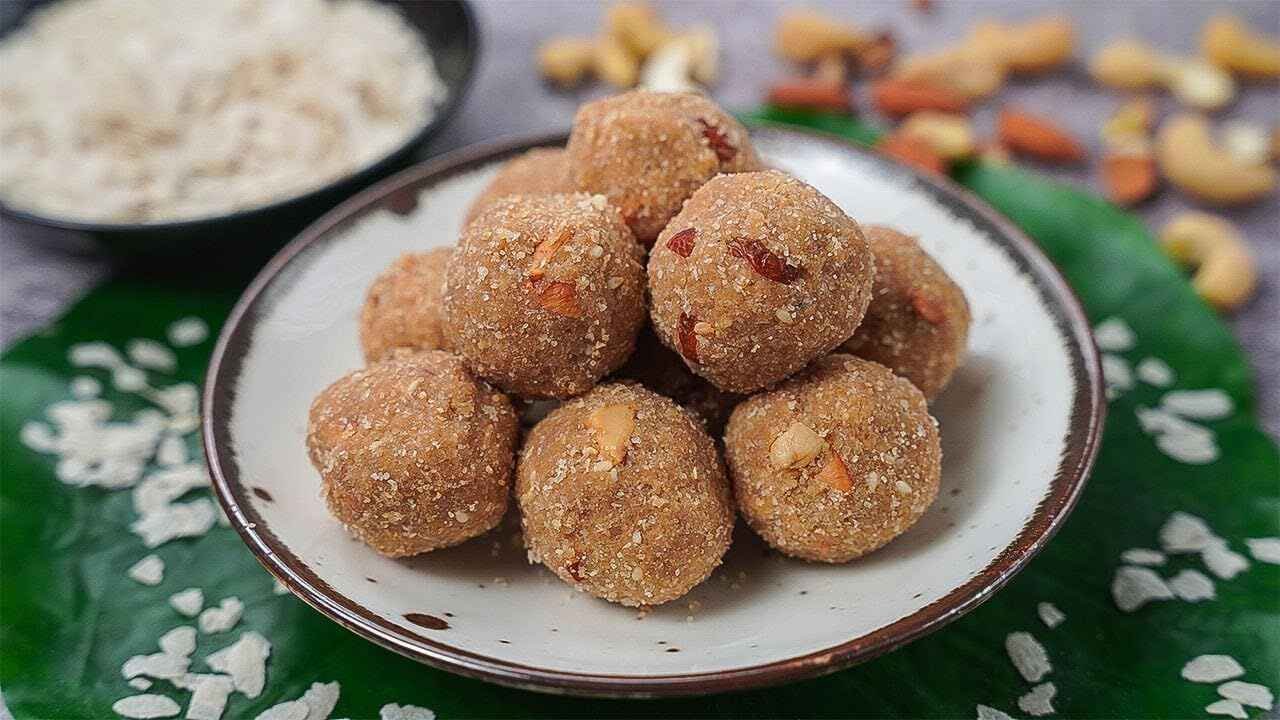
Krishna Janmashtami is a special occasion for devotees, and many families prepare homemade sweets as an offering to Lord Krishna. Instead of making the same traditional sweets every year, atukulu laddu can be a simple and tasty option for the festival.
The recipe uses everyday ingredients such as poha, jaggery, peanuts, cashews, dry coconut, cardamom and ghee. The poha and peanuts are roasted first, then ground and combined with melted jaggery. The mixture is finally shaped into small laddus while it is still warm.
The combination gives the laddus a pleasant roasted flavour, while jaggery provides the sweetness and cardamom adds a familiar festive aroma. Since the recipe does not require complicated cooking techniques, it can also be prepared by families looking for a quick homemade naivedyam.
Ingredients Needed
Poha
Grated jaggery
Peanuts
Cashews
Dry coconut powder
Cardamom powder
Ghee
Water
The quantity of each ingredient can be adjusted depending on how many laddus are required. It is better to use thick poha because it gives the mixture a better texture after roasting and grinding.
How To Make Atukulu Laddu
Start by heating a pan and adding about one tablespoon of ghee. Roast the cashews until they turn lightly golden. Remove them from the pan and keep them aside.
In the same pan, roast the peanuts separately. They should develop a pleasant roasted aroma without becoming too dark. Transfer them to a plate and allow them to cool.
Now add the poha to the pan and roast it over a low to medium flame. Stir continuously so that the poha does not burn. Once it becomes crisp and lightly roasted, remove it from the heat and let it cool completely.
The roasted ingredients are then prepared for grinding. Add the roasted poha to a mixer jar and grind it into a powder. Do the same with the peanuts. The texture can be kept slightly coarse if you prefer a little crunch in the laddus.
Grind the cardamom along with the cashews or prepare the cardamom powder separately. Place the powdered poha, peanuts and cardamom mixture in a large bowl and combine everything well.
The next important step is preparing the jaggery. Add the grated jaggery to a small pan along with about one fourth cup of water. Heat it gently until the jaggery melts completely. Strain the liquid to remove any impurities before adding it to the laddu mixture.
Heat another two tablespoons of ghee in the pan and lightly roast the dry coconut powder. Once it releases its aroma, add the strained melted jaggery and mix it carefully.
Add the roasted poha and peanut mixture to the pan. Stir everything thoroughly so that the jaggery coats the dry ingredients evenly. The mixture should come together without becoming excessively wet.
Turn off the stove and allow the mixture to cool slightly. It should remain warm enough to handle but should not be hot enough to cause burns.
Add the roasted cashew pieces and mix them through the preparation. Take small portions of the mixture and gently press and shape them into round laddus.
If the mixture feels too dry to hold its shape, a little warm ghee can help bring it together. If it feels too soft, allowing it to cool for a few more minutes can make shaping easier.
Once all the laddus are prepared, let them cool completely before serving. They can be offered as naivedyam during Krishna Janmashtami and then enjoyed by the family.
Atukulu laddu also gets its appeal from the combination of familiar ingredients rather than an elaborate cooking process. Roasted poha and peanuts provide texture, while jaggery gives the sweet its characteristic flavour. Ghee and dry fruits add richness, and cardamom gives it a festive touch.
The ingredients also contribute nutrients such as carbohydrates, protein and fats, but the laddus are still a sweet and are best enjoyed as part of a balanced diet rather than treated as a daily health remedy.
For families preparing Krishna Janmashtami offerings at home, this atukulu laddu recipe offers an uncomplicated way to make a traditional style sweet with ingredients that are usually available in the kitchen. Freshly prepared laddus can make the festival table feel even more special while keeping the cooking process manageable.