
Apple Benefits: Why This Everyday Fruit Can Be A Healthy Choice
Apples provide fibre, vitamin C and antioxidant compounds, making them a useful addition to a balanced diet while supporting digestion, heart health and overall nutrition.
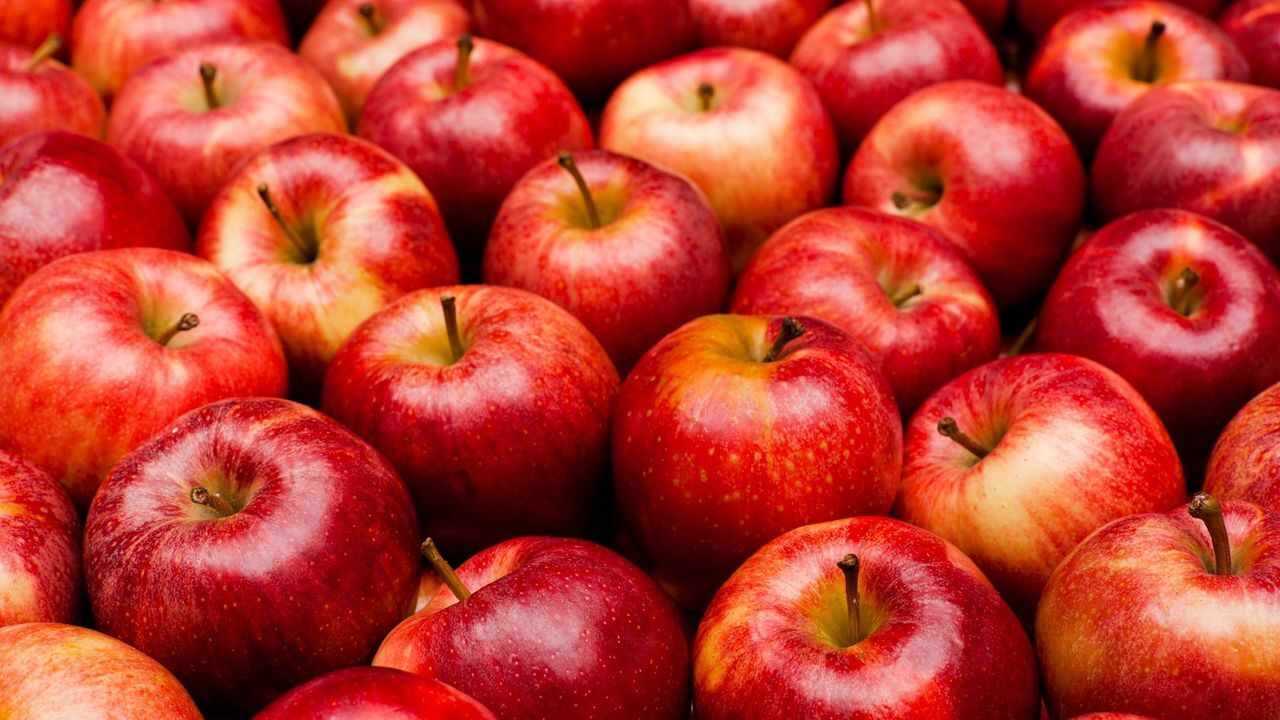
Apples are among the most commonly eaten fruits, but their simple appearance hides a useful combination of nutrients. Available in several colours and varieties, apples can easily fit into everyday meals and snacks without requiring much preparation.
A medium apple generally contains around 95 calories, about 25 grams of carbohydrates and nearly 4 grams of dietary fibre. It also provides vitamin C along with various antioxidant compounds. The exact nutritional content can vary depending on the variety and size of the fruit.
Fibre is one of the key reasons apples are often included in discussions about healthy eating. Eating fibre rich foods as part of a balanced diet can support normal digestion and may help with constipation. Apples also contain water, which contributes to overall fluid intake.
The fruit can be eaten on its own or added to different meals. Some people prefer sliced apples as a snack, while others add them to breakfast dishes, salads or other foods. Keeping the overall diet balanced is important rather than relying on a single food for specific health outcomes.
Apples are also associated with heart friendly eating patterns. Their fibre and antioxidant content may contribute to a diet that supports healthy cholesterol levels and cardiovascular health. However, eating an apple alone cannot prevent or treat heart disease, and overall dietary habits remain more important.
Another area of interest is blood pressure. Apples contain nutrients and plant compounds that can form part of a diet designed to support cardiovascular health. For people concerned about blood pressure, however, dietary changes should be considered alongside appropriate medical guidance.
Research has also examined the relationship between regular fruit consumption and the risk of certain long term health conditions. Some studies have found associations between higher fruit intake and a lower risk of certain diseases, including colorectal cancer. These findings do not mean that apples can prevent cancer, but they support the broader value of eating a varied diet containing fruits and vegetables.
There is also a common belief that apples can help with headaches and problems linked to low iron levels. Such claims should be treated carefully. A headache can have many causes, and anaemia requires proper evaluation and treatment rather than relying on a particular fruit or home remedy.
The same applies to claims about eating a ripe apple with salt on an empty stomach. There is no strong basis for presenting this practice as a proven treatment for anaemia related headaches. Anyone experiencing repeated headaches or symptoms associated with possible anaemia should speak with a qualified healthcare professional.
For young children, apples can be a nutritious food when prepared appropriately for their age. Whole hard pieces can present a choking risk for very young children, so parents and caregivers should choose a suitable texture and preparation method.
Apple skin also contains fibre and plant compounds, so washing the fruit properly and eating it with the skin can be an option when preferred. People who have specific allergies, digestive concerns or dietary restrictions should consider their individual needs.
The biggest advantage of apples is their convenience. They are easy to carry, require little preparation and can provide fibre and other nutrients in a relatively simple snack. Choosing an apple instead of highly processed snack foods can be one small step towards a more balanced eating pattern.
The familiar saying about eating an apple every day should not be taken literally as a promise that doctors will never be needed. Apples are nutritious, but good health depends on a combination of factors including a varied diet, regular physical activity, adequate sleep and appropriate healthcare.
Overall, apples can be a practical part of a healthy eating routine. Their fibre, vitamin C, water content and antioxidant compounds make them a worthwhile fruit choice, while their versatility makes it easy to include them in everyday meals.