IRCTC Onboard Cooking: IRCTC Allows Onboard Cooking as LPG Shortage Hits Railway Catering
Facing a severe shortage of commercial LPG cylinders, IRCTC has revived onboard cooking in select trains using electric induction systems to ensure uninterrupted meal services nationwide.
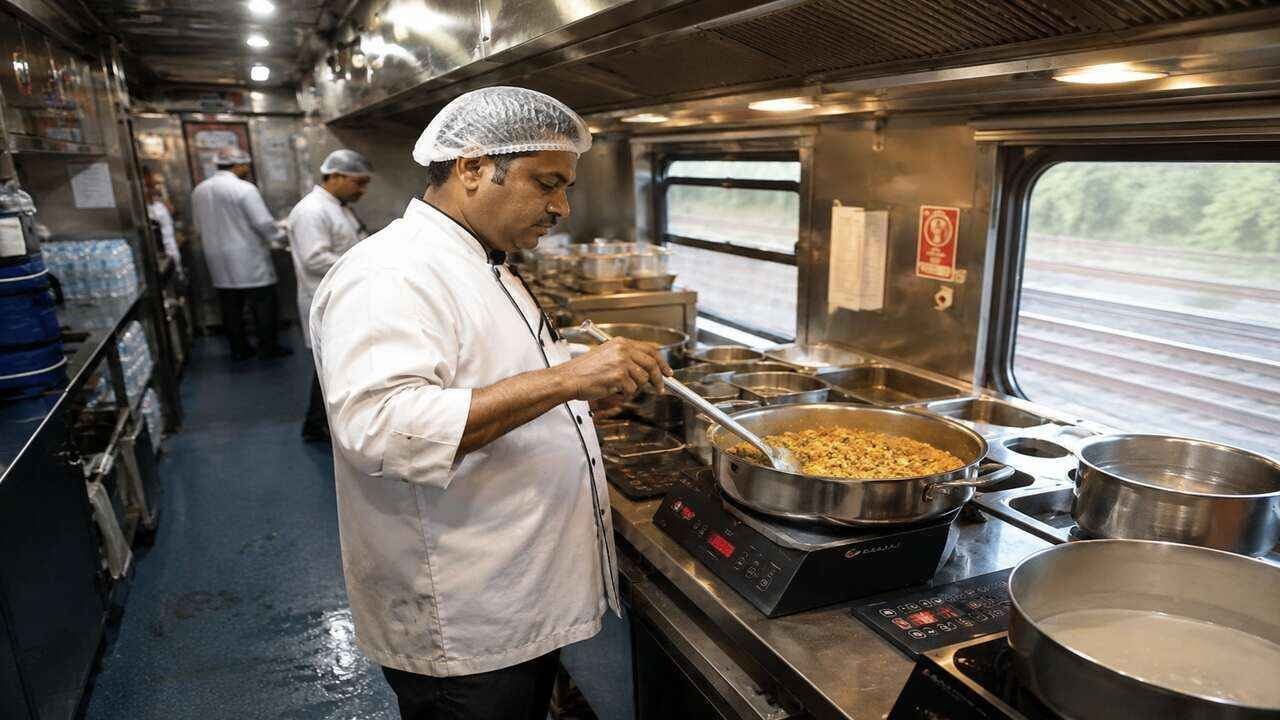
IRCTC Onboard Cooking: A shortage of commercial LPG cylinders across the country has prompted the Indian Railway Catering and Tourism Corporation to introduce a significant change in its food service operations. To maintain meal availability for passengers, the organization has decided to allow cooking inside moving trains once again, a practice that had been discontinued years ago.
The decision comes at a time when fuel supply disruptions in international markets have affected LPG availability in India. With authorities prioritizing domestic household requirements, commercial users including railway catering services and hospitality establishments have been facing increasing difficulty in securing regular cylinder supplies.
To address the challenge, IRCTC has chosen a safer and more modern alternative. Instead of traditional gas based cooking, vendors operating in pantry cars will prepare food using electric induction stoves. Officials believe the move will help maintain food services while ensuring passenger safety.
According to IRCTC Chairman and Managing Director Sanjay Kumar Jain, induction based cooking has been approved in pantry cars attached to premium trains such as Rajdhani, Shatabdi, Duronto, and Vande Bharat services. The pantry cars in these trains are equipped to support the transition to electric cooking systems.
Also Read:Cyber Bureau Hack: Telangana Cyber Security Bureau X Account Hack Sparks Questions
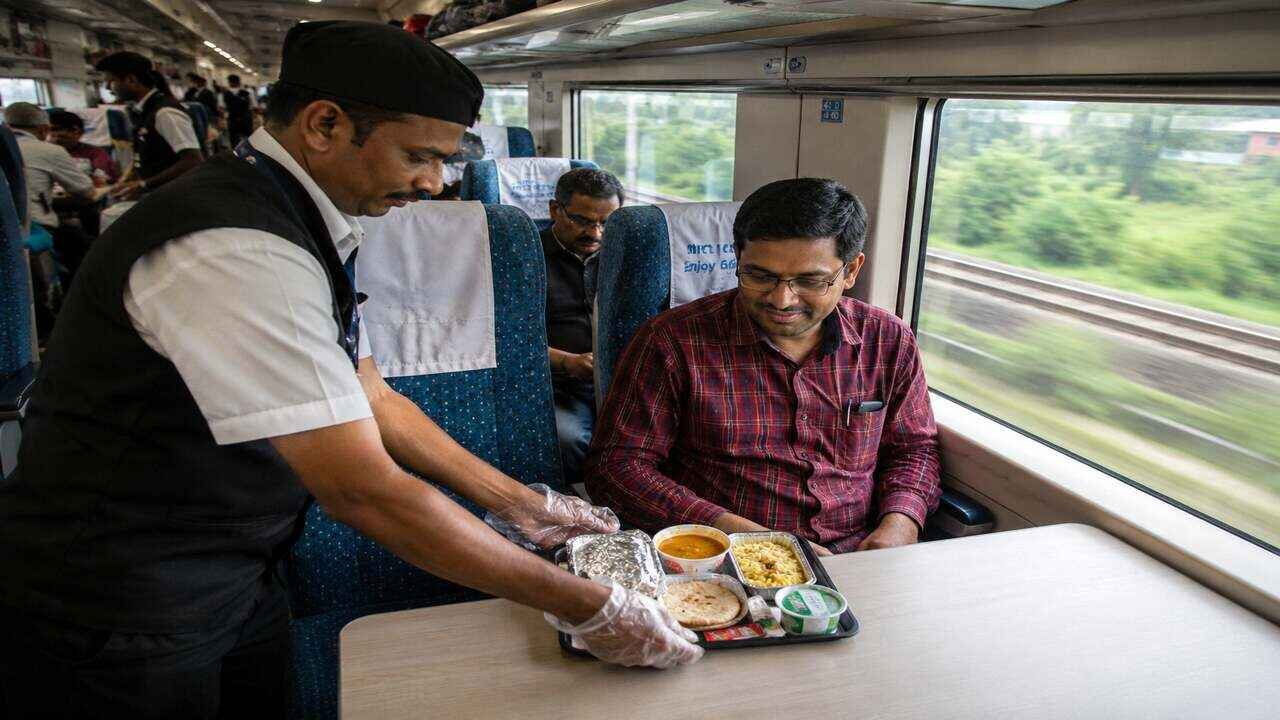
The scale of railway catering operations makes uninterrupted food preparation essential. Every day, the railway network serves meals to nearly 1.7 million passengers, a process that typically requires around 1000 commercial LPG cylinders. The ongoing shortage created an urgent need for alternative arrangements.
IRCTC has already taken several steps to reduce dependence on LPG. Officials revealed that nearly 60 percent of cooking activities at railway kitchens have been shifted to electricity based systems. Similar instructions have been issued to food plazas and refreshment rooms at railway stations, encouraging greater use of induction cooktops and microwave equipment.
The development has also highlighted infrastructure gaps within the railway catering network. Despite continuous modernization efforts, 341 trains across the country still operate without pantry car facilities, limiting onboard food preparation options for passengers.
Railway authorities expect the transition to electric cooking to help overcome current supply challenges while supporting a more sustainable and efficient catering model in the future.