A Closer Look at Why Chinese Products Are Often More Affordable
China keeps manufacturing costs low through efficient industrial ecosystems advanced infrastructure integrated production government support and large scale operations instead of relying only on inexpensive labour across factories.
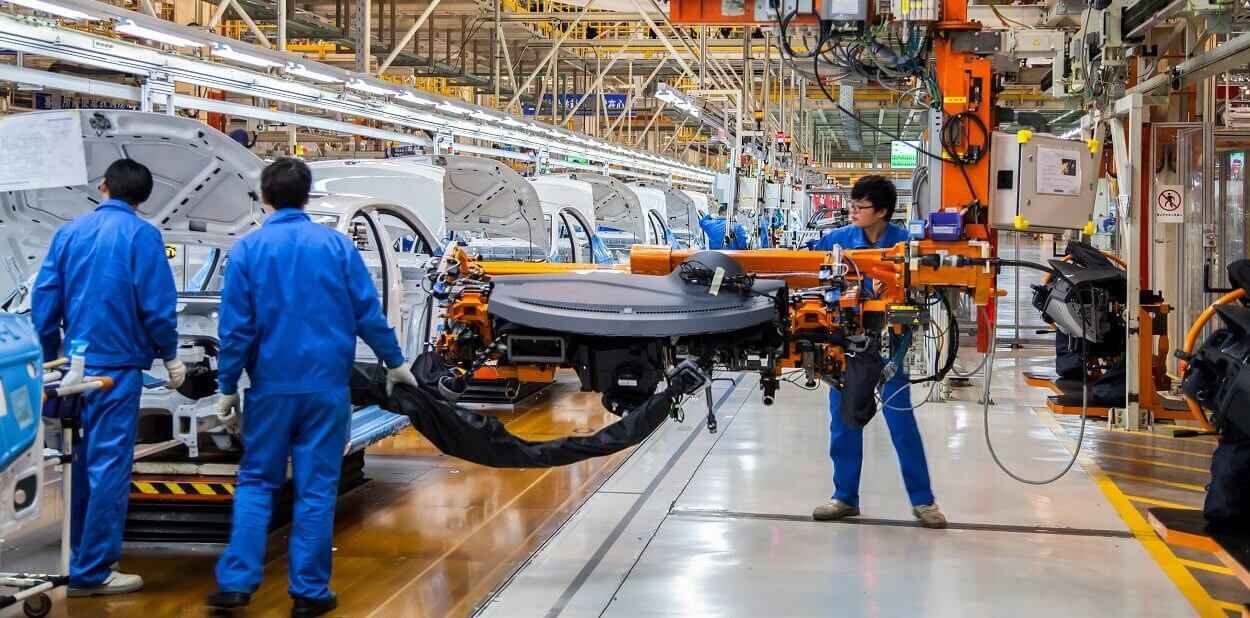
Chinese products are widely available across global markets at prices that often surprise consumers. While many people believe low labour costs are the main reason behind these affordable prices, industry experts say the real explanation is much broader. China has built a highly efficient manufacturing ecosystem that combines technology, infrastructure, supply chains and production efficiency to reduce costs without necessarily compromising quality.
Years ago, products made in China were often associated with poor quality or cheap imitations. That perception has changed significantly over the past decade. Today, many Chinese manufacturers produce high quality goods that compete successfully in international markets while still maintaining competitive pricing. Even countries with lower labour costs than China often find it difficult to match this combination of price and quality.
Gavin Yi, Chief Executive Officer of a Shenzhen based CNC manufacturing company, has explained several reasons behind China’s manufacturing advantage. Although his observations focus on CNC machining, the same principles apply across many industries in the country.
One of the biggest strengths is the concentration of industrial clusters. Manufacturing hubs such as the Pearl River Delta and the Yangtze River Delta bring together suppliers of raw materials, cutting tools, plating services and heat treatment facilities within short distances. This close network reduces transportation expenses, shortens production timelines and allows manufacturers to respond quickly to customer demands.
Another major factor is the continuous use of manufacturing equipment. Large Chinese factories operate expensive CNC machines for longer hours and produce components in massive volumes. Since the purchase, maintenance and programming costs of these machines remain fixed, producing more units lowers the manufacturing cost of each individual product.
Chinese manufacturers also benefit from vertical integration. Many companies perform machining, sheet metal fabrication, coating, quality inspection and final assembly within the same facility. By avoiding multiple outside vendors, manufacturers reduce additional profit margins, minimise delays and improve production efficiency while keeping costs under control.
Although labour costs in China have increased in recent years, they remain lower than those in many developed economies such as the United States and several European countries. Human workers are still essential for machine setup, polishing, inspection and packaging, allowing companies to maintain competitive production costs despite rising wages.
Government policies have also played a significant role in strengthening China’s manufacturing sector. Tax incentives for technology driven companies, modern ports, extensive highway networks and export support measures have created a business environment that enables faster production and lower logistics costs. These investments have helped Chinese manufacturers deliver products to global markets quickly and at competitive prices.
Industry experts believe that China’s success is not built on cheap labour alone. Instead, it is the result of decades of investment in industrial planning, integrated supply chains, large scale production and world class infrastructure, all working together to make manufacturing more efficient and cost effective.