Delhi H1N1 Cases Surge: Delhi Sees Sharp Rise in H1N1 Cases as Doctors Urge Precautions
Delhi has recorded a sharp rise in H1N1 cases this year, prompting doctors to advise precautions while ICMR says no new strain is currently circulating in the country.
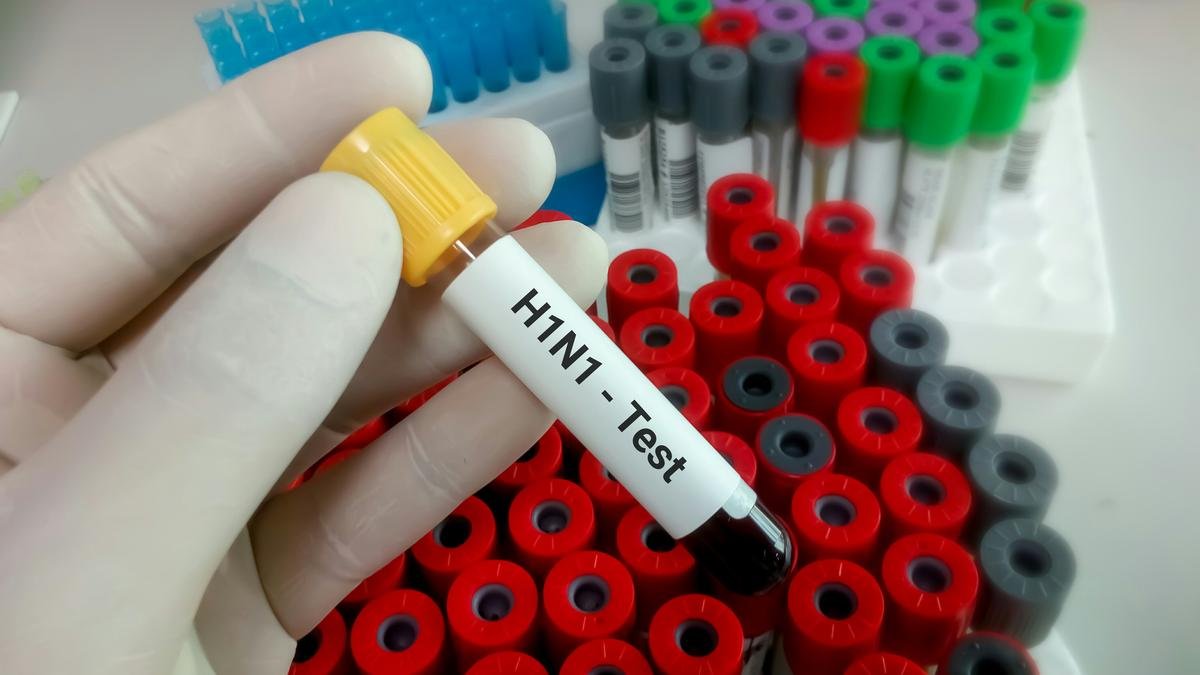
Delhi H1N1 Cases Surge: New Delhi is witnessing a significant increase in H1N1 influenza cases this year, with the reported count reaching 1,777. The figure is considerably higher than the 229 cases recorded during the corresponding period last year.
A total of 114 fresh cases were reported in the city on August 20, adding to concerns over the rising number of patients. H1N1 has also accounted for a large share of the Influenza A infections reported in the capital this year.
The rise has led to questions about whether a new or more dangerous strain of the virus could be responsible. The Indian Council of Medical Research (ICMR), however, has said there is no need for panic. According to the medical research body, the H1N1 virus currently circulating has been present since 2025 and there is no evidence of a new strain spreading in the country.
Doctors at AIIMS and other hospitals say influenza viruses can undergo minor genetic changes over time. Seasonal conditions and lower immunity among some sections of the population can also contribute to faster transmission.
This season, some patients are reporting prolonged cough along with gastrointestinal symptoms such as diarrhoea and abdominal pain. Doctors are also seeing cases involving pneumonia and falling oxygen levels, while some patients have developed kidney related complications.
Children, older adults and people with existing heart or lung conditions remain among the groups more likely to develop serious illness. Doctors stress that antiviral medicines are not required for every person with flu. High risk patients and those with severe symptoms may need medicines such as oseltamivir, but only under medical supervision. Treatment is generally more effective when started within 48 hours of symptoms appearing.
Health experts are advising people to take simple precautions as cases rise. Wearing masks in crowded places, maintaining hand hygiene and getting the annual flu vaccine can help reduce the risk of infection. Anyone developing severe or persistent symptoms should seek medical attention without delay.