
Young Adults With Joint Pain Should Not Ignore These Warning Signs
Joint pain is not always linked to ageing, as injuries, overuse, gout, autoimmune conditions and other health problems can also affect younger people.
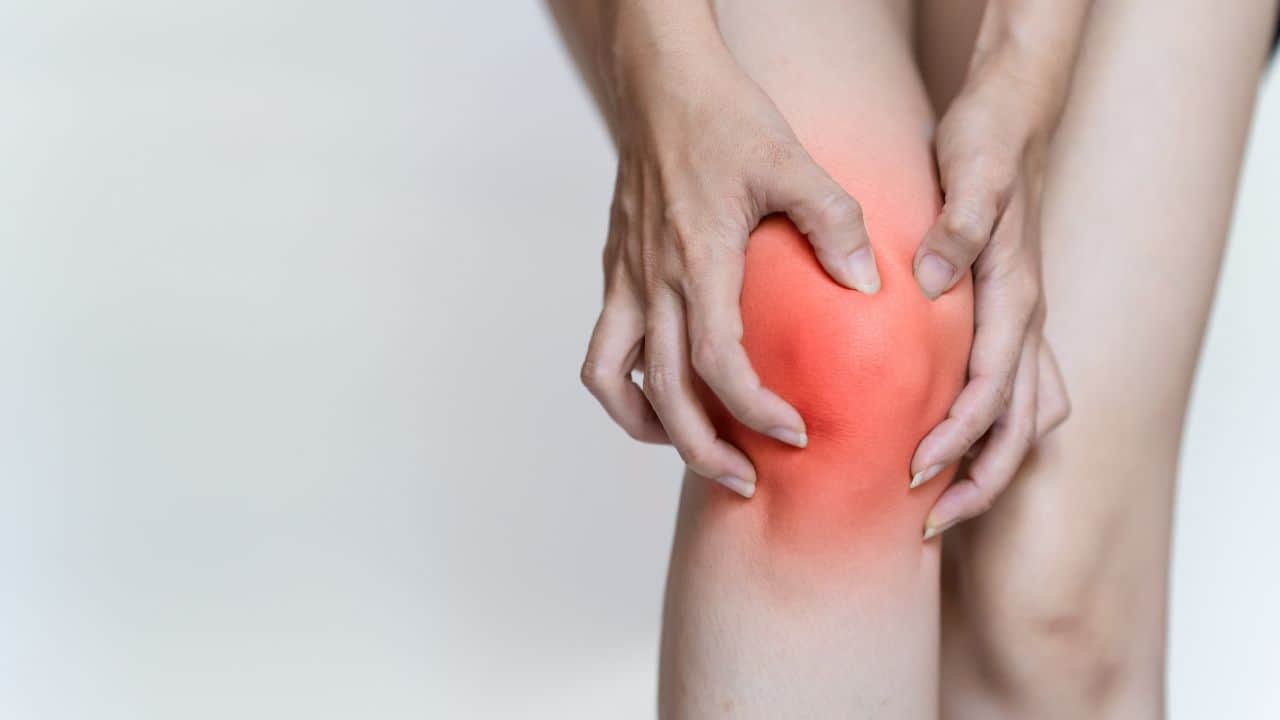
Joint pain can affect young adults too.
Injuries can trigger joint pain and swelling.
Persistent joint pain needs medical attention.
Joint Pain in Young Adults
Joint pain is often associated with older age, but that assumption can be misleading. Young adults can also experience pain, stiffness and swelling in the knees, shoulders, elbows and wrists.
The problem may appear after sports injuries, intense workouts or physically demanding work. Even repetitive movements during everyday activities can put repeated stress on joints and the surrounding tissues.
Possible Causes of Joint Pain
There is no single explanation for joint pain. A sprain, injury or excessive strain can affect tissues around a joint and lead to discomfort and swelling. Such problems can be particularly common among people who regularly participate in sports or strenuous physical activity.
Gout is another possible cause. When uric acid levels become too high, crystals can build up inside a joint. This can result in sudden and intense pain, swelling, redness and warmth, often affecting a joint quite noticeably.
Autoimmune conditions can also play a role. In rheumatoid arthritis, for example, the immune system mistakenly attacks joint tissues, potentially causing persistent inflammation, pain and swelling.
Osteoarthritis is more commonly associated with ageing, but joint problems can sometimes develop earlier in life. Damage or gradual wear of cartilage can cause stiffness and pain, particularly while moving.
Other conditions, including tendon inflammation, lupus, fibromyalgia, thyroid disorders and certain viral infections, can also be associated with joint pain.
Symptoms That Need Attention
Joint pain accompanied by swelling, redness, unusual warmth or fever should not simply be brushed aside. Medical advice becomes particularly important when these symptoms appear suddenly or become severe.
A joint that looks deformed after an injury, develops significant swelling suddenly or becomes difficult to move because of pain requires prompt medical attention.
Mild discomfort may sometimes improve with rest, particularly when it follows physical exertion. However, recurring pain or symptoms that continue for a long period deserve proper evaluation.
Avoid Ignoring Repeated Pain
Young age does not automatically rule out a medical cause. If joint pain keeps returning, identifying what is triggering it can help prevent the problem from becoming more difficult to manage.
Taking painkillers regularly without professional advice is also not a good long term approach. A healthcare professional can assess the symptoms and decide whether further examination or treatment is needed.
The important point is simple. Persistent or unusual joint pain should not be dismissed simply because someone is young. Paying attention to the warning signs and seeking appropriate medical advice can help address the underlying problem sooner.