Arjuna Bark and Heart Health: What the Evidence Says
Arjuna bark has a long history in Ayurveda, but claims about lowering cholesterol and protecting the heart should be considered alongside medical advice and proven treatments.
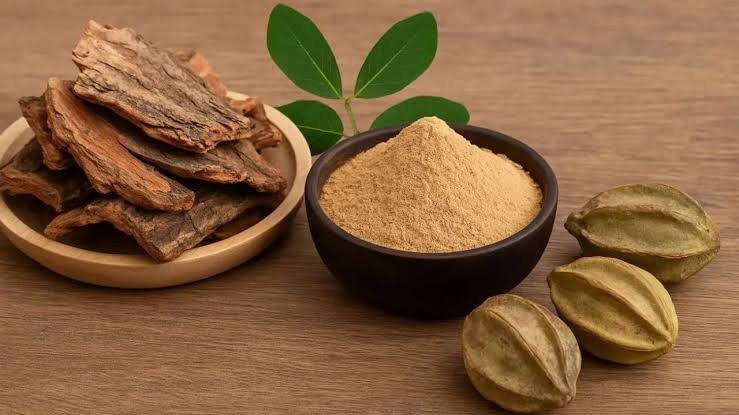
Arjuna bark is used traditionally.
Cholesterol control needs medical attention.
Heart patients should seek advice first.
Arjuna bark, known as Maddi bark in Telugu, has been used in Ayurvedic practices for generations, particularly in formulations associated with heart health. Interest in the herb has grown as high cholesterol and cardiovascular disease become increasingly common.
The bark of the Arjuna tree contains several plant compounds, including flavonoids, glycosides and antioxidant compounds. Traditional preparations are generally consumed as a decoction or powder mixed with water or milk.
Some research has explored the possible cardiovascular effects of Terminalia arjuna, including its potential influence on heart function and lipid levels. However, it would be misleading to describe the bark as a guaranteed way to dissolve bad cholesterol or prevent a heart attack. Herbal preparations should not be considered a replacement for cholesterol medicines, blood pressure treatment, a healthy diet or other care recommended by a doctor.
One reason Arjuna continues to attract attention is its traditional association with cardiovascular support. Studies have investigated whether extracts may have effects on heart muscle function and certain cardiovascular risk factors, although the evidence is not strong enough to support broad claims that it can independently treat heart disease.
For people concerned about cholesterol, a blood test and proper medical assessment remain far more useful than relying on a herbal drink. High LDL cholesterol often has no obvious symptoms, yet it can contribute to plaque buildup in arteries over time. Managing it may require changes in diet and exercise and, for some people, prescribed medication.
Those who still wish to use Arjuna as part of an Ayurvedic routine should discuss it with a qualified healthcare professional. This is particularly important for people already taking medicines for heart disease, high blood pressure, cholesterol or other chronic conditions. Herbal products can interact with medicines, and their strength may vary depending on preparation and source.
A commonly described traditional preparation involves adding about one teaspoon of Arjuna bark powder to a glass of water and simmering it until the liquid reduces. The drink is then strained before consumption. However, there is no universally established dose that can be recommended for everyone, so regular use should be discussed with an appropriate practitioner.
It is also better not to add honey or other ingredients simply to make the drink seem more medicinal. The focus should remain on overall heart health rather than one particular remedy.
Arjuna bark may have an interesting place in traditional medicine, but heart protection is not achieved by a single herb. Keeping cholesterol and blood pressure under control, staying physically active, eating a balanced diet, avoiding tobacco and following prescribed treatment remain important steps for reducing cardiovascular risk.