
Warm Salt Water in the Morning: What You Should Know
A glass of warm water is a simple morning habit, but adding salt is not necessary for everyone and may be unsuitable for people with certain health conditions.
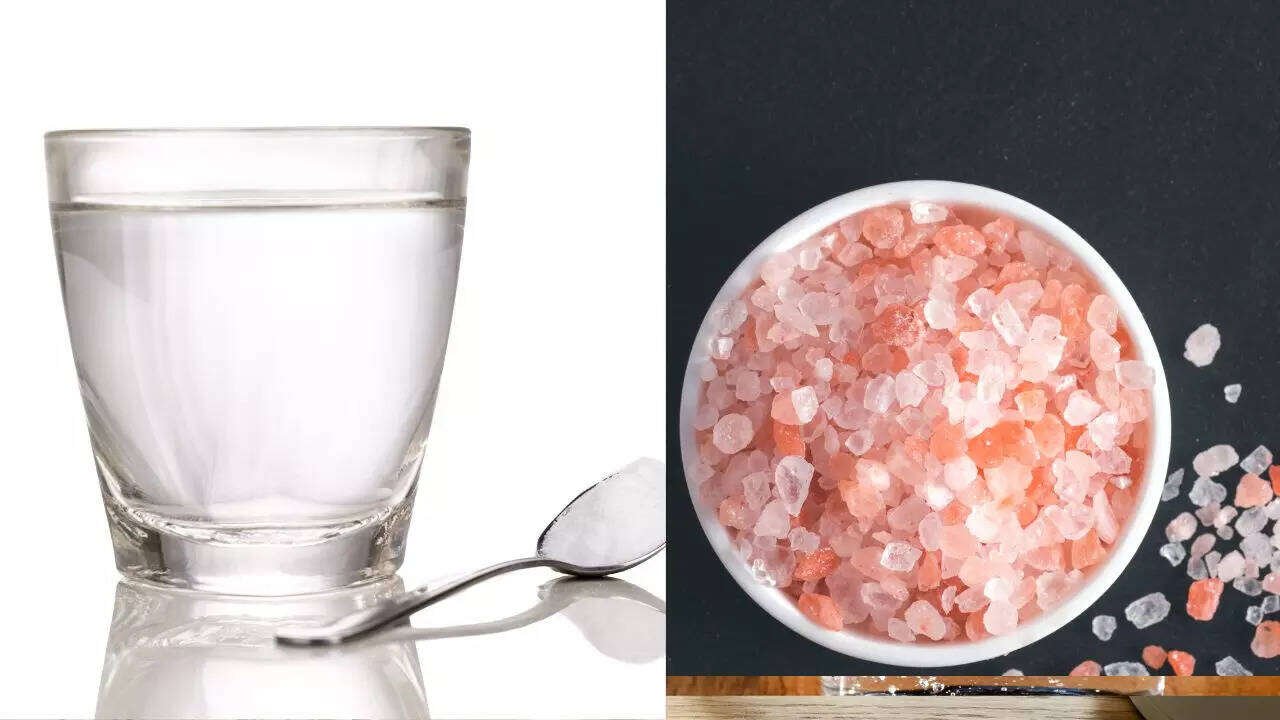
Warm salt water needs moderation.
Salt water is not a proven detox drink.
People with high blood pressure need caution.
Starting the day with warm water has become a popular wellness habit, and some people take it a step further by adding a small amount of salt. Pink Himalayan salt and rock salt are often promoted as healthier choices, but they still contribute sodium to the diet.
A small amount of salt may help replace sodium when the body has lost fluids and electrolytes, particularly after heavy sweating or prolonged physical activity. For most healthy people, however, ordinary drinking water and a balanced diet already provide what the body needs, so there is no general requirement to drink salted water every morning.
Salt plays an important role in maintaining fluid balance, nerve function and muscle activity. Sodium is an essential electrolyte, but taking extra salt when it is not needed does not automatically improve hydration. In fact, consuming too much sodium regularly can contribute to health problems, particularly high blood pressure.
The idea that warm salt water cleanses the body also needs some clarification. The liver and kidneys already handle the body’s natural waste removal processes. There is no strong evidence that drinking salt water in the morning provides a special detox effect or cleanses the liver.
Similarly, claims that the drink can dramatically improve skin, promote weight loss or guarantee better sleep should be treated cautiously. Good hydration, adequate sleep, a nutritious diet and regular physical activity have a much stronger role in overall health.
Warm salt water is sometimes associated with digestive benefits because warm fluids may feel soothing and can help some people maintain regular fluid intake. But there is limited evidence that adding salt specifically improves digestion or prevents gas and constipation.
There is also an important distinction between drinking salt water and using it as a mouth rinse. A mild warm salt water rinse is commonly used for temporary relief from minor mouth and throat discomfort, but swallowing salty water is not necessary for maintaining oral hygiene. Regular brushing, flossing and dental care remain more important.
People who sweat heavily may lose sodium and other electrolytes, and replacing those electrolytes can sometimes be useful. That does not mean everyone needs salted water every morning. For routine hydration, plain water is generally the simpler choice.
Extra caution is needed for people with high blood pressure, heart disease or kidney problems. Increasing sodium intake can be harmful in some of these conditions. Anyone with a medical condition or a doctor advised low sodium diet should check with a healthcare professional before making salted water a daily habit.
If someone chooses to drink warm salt water, the amount of salt should remain very small and should not be viewed as a substitute for a balanced diet or medical treatment. The key is moderation rather than assuming that more salt means more health benefits.