Telangana SIR: Telangana SIR Raises Concern Over One Crore Voter Records
Telangana SIR has entered a crucial stage after the survey ended, with more than one crore voter records facing scrutiny because of missing forms, migration, duplicate entries and data differences.
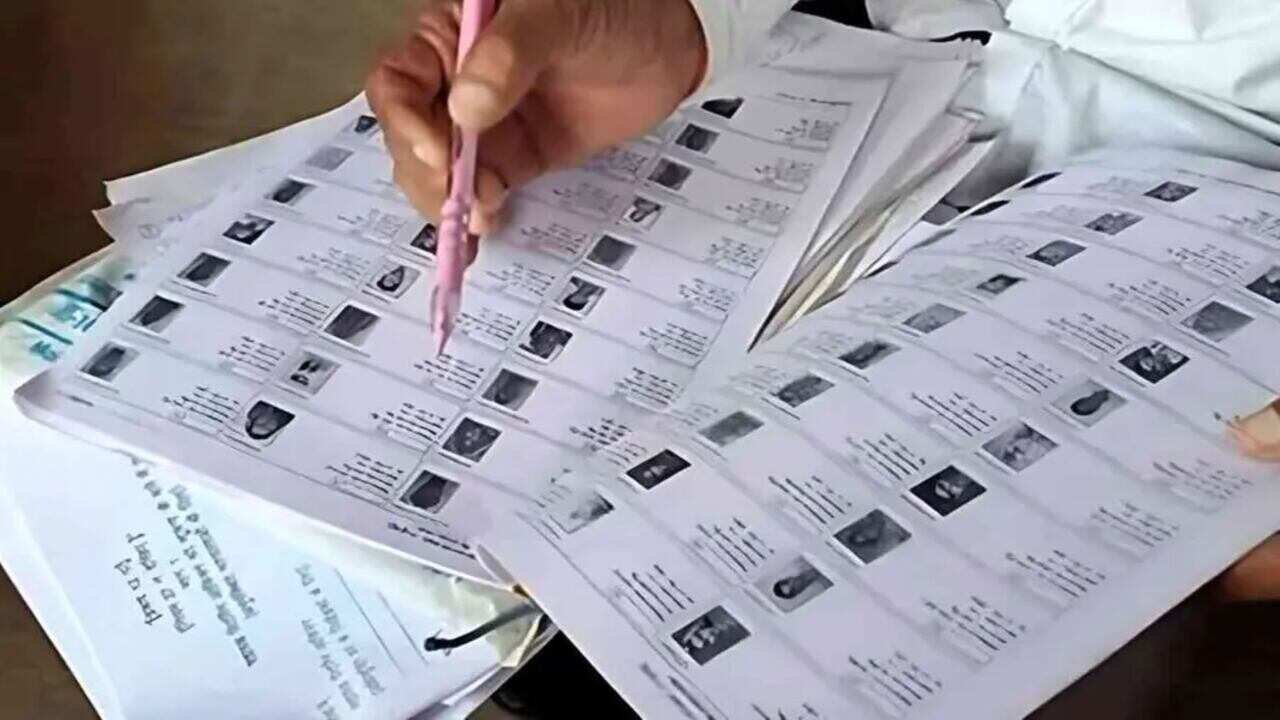
Telangana SIR: The Special Intensive Revision process in Telangana has reached a significant stage after the enumeration exercise came to an end. The large scale voter verification drive has brought attention to the status of a substantial number of voter records across the state. Preliminary figures indicate that more than one crore voter records could require further examination before the electoral roll is finalised.
The development has created concern among voters, particularly in urban areas where migration and address changes are common. However, a voter record being placed in an uncollectable or flagged category does not automatically mean that the person’s name has already been permanently removed. The next stages of the revision process will provide an opportunity for eligible voters to clarify their details and establish their eligibility.
Telangana has around 3.38 crore registered voters. During the SIR exercise, information relating to about 2.64 crore voters was digitally processed. The remaining records could not be processed in the same manner because the required enumeration documents were not available or could not be matched. These records have therefore become part of the larger verification exercise.
The situation is especially important in the Greater Hyderabad region. Hyderabad, Medchal Malkajgiri and Rangareddy districts together account for a very large voter base. Around 1.14 crore voters are registered across these areas, while documents relating to only about 71.05 lakh voters were received during the exercise. Details connected with nearly 43.09 lakh voters remained unavailable.
Several factors are believed to be behind the missing records. Some voters may have moved permanently to another location, while others may have been away from their registered addresses when officials attempted to collect the forms. The exercise has also identified cases involving deceased voters and possible duplicate registrations.
Migration has emerged as another major factor. Telangana has a large number of people who move between districts and cities for employment, education and other reasons. Officials have estimated that more than 40 lakh voter records across the state may be connected to migration related situations. Such cases require careful verification before decisions are taken regarding the electoral roll.
The revision process has also identified possible duplicate registrations. A software based examination reportedly found around 3.18 lakh cases in which the same individual appeared to have voter registrations at more than one location. These records are being examined to determine whether they represent genuine duplicate entries or cases that require correction because of changes in residence.
Another concern has emerged from the earlier mapping exercise. Differences were identified in around 89 lakh voter records during the mapping process. Even after Booth Level Officers carried out corrections and verification, discrepancies reportedly remained in nearly 61 lakh records. Around 10 lakh of these cases were located within the Greater Hyderabad area.
The authorities have been using several verification parameters to examine such differences. Address information, voter details, earlier records and other available data are being compared to identify inconsistencies. The broader objective is to make the electoral roll more accurate by removing duplicate or invalid entries while ensuring that eligible voters are not left out.
The completion of the enumeration stage now shifts attention to the draft electoral roll. The draft list is scheduled to be released on August 17. Once it is published, voters will have an opportunity to check their names and personal details and identify whether any information is missing or incorrect.
Voters whose records require additional clarification may receive notices from the concerned Electoral Registration Officers. Those who receive such notices will be able to submit documents prescribed by the election authorities to establish their identity and eligibility. This stage is particularly important for people whose forms could not be collected or whose information could not be matched during the initial verification.
The claims and objections stage will also provide an opportunity for genuine voters to raise concerns. Therefore, the current number of records under scrutiny should not be treated as the final number of voter deletions. The final position will depend on the verification process, responses from voters and decisions taken by the election authorities.
For ordinary voters, checking the draft electoral roll will be important once it becomes available. People who have recently changed their address, moved to another city or have concerns about duplicate registrations should pay particular attention to their voter information. Those who receive official notices should respond within the specified period and provide the required documents.
The SIR exercise is intended to improve the quality of the electoral roll by identifying outdated information, duplicate registrations and records that need correction. At the same time, the process has to ensure that genuine voters are not unnecessarily excluded because of missing documentation or difficulties during the enumeration exercise.
The large number of records currently requiring scrutiny has made the next phase particularly important for Telangana. Officials will have to examine the available data carefully while giving eligible citizens an opportunity to establish their voting rights.
The final number of names removed from the electoral roll will only become clear after the draft list, verification, claims and objections are completed. Until then, the figure of more than one crore should be understood as the scale of records facing scrutiny rather than a confirmed count of permanently deleted voters.
As the process moves forward, both election officials and voters will have important roles to play. Authorities will need to examine disputed records carefully, while citizens will need to check the draft list and respond if their names or details are questioned.
The Telangana SIR exercise has therefore entered a decisive phase. The coming stages will determine how many records are retained, corrected or removed from the electoral roll. For millions of voters across the state, the publication of the draft list will be an important opportunity to verify their electoral status.