
Centre Proposes Legal Framework for Two Wheeler Ambulance Services Across Remote Areas
The Centre has proposed new rules to formally introduce two wheeler ambulances aiming to improve emergency healthcare access in remote rural and hilly regions through a regulated transport system.
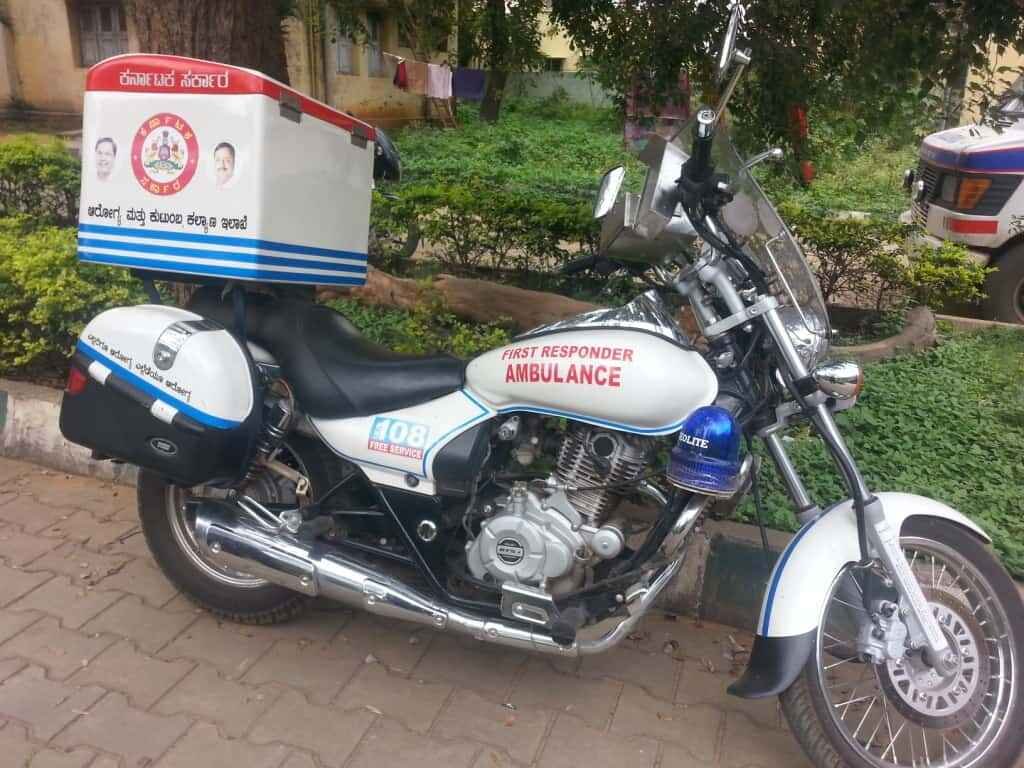
Emergency medical services in remote parts of India could soon receive a major boost as the Central Government moves to formally recognize two wheeler ambulances under national transport regulations. The proposal is aimed at ensuring faster medical assistance in locations where conventional ambulances often struggle to reach because of narrow roads or difficult terrain.
To support the initiative, the Ministry of Road Transport and Highways has released a draft notification proposing amendments to the Central Motor Vehicles Rules 1989. Once implemented, the changes will establish a legal framework for the design, registration, operation and inspection of two wheeler ambulances for the first time.
Officials believe the new policy will strengthen emergency healthcare delivery in villages, tribal regions and hilly areas where quick access to patients can make a critical difference. Bringing these vehicles under government regulations will also help standardize safety requirements and patient handling procedures.
Under the proposal, vehicles classified under the L2 category will be permitted to operate as ambulances. However, their services will be restricted to areas identified and approved by individual state governments, allowing authorities to deploy them where they are needed most.
The draft rules have been placed in the public domain for feedback. Citizens and stakeholders have been invited to submit objections or suggestions to the Ministry of Road Transport and Highways within thirty days. After reviewing the responses, the Centre is expected to issue the final notification and implement the new regulatory framework.
If approved, the initiative is expected to improve last mile emergency healthcare, particularly in underserved regions where reaching hospitals quickly remains a significant challenge.