Supreme Court Orders Relief for Eligible Students Detained During NEET Protests
The Supreme Court directed states to release eligible detained students, ordered preservation of protest evidence, and called for an independent inquiry into allegations surrounding police action during NEET demonstrations.
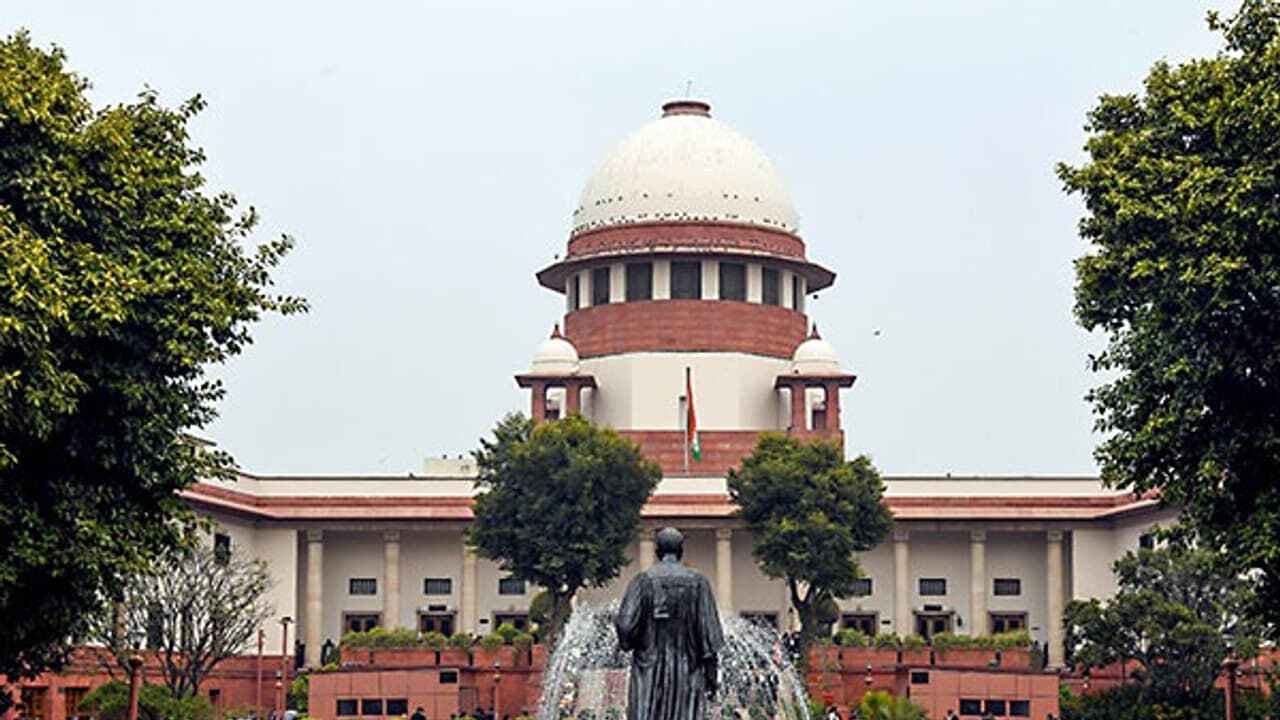
The Supreme Court has issued a series of interim directions in connection with cases arising from the nationwide NEET protest demonstrations, stressing that legal action should distinguish between peaceful participants and those facing serious criminal allegations.
The court instructed all states to immediately release detained minors and individuals with no criminal background, making it clear that the relief would not apply to those accused of grave offences. The bench observed that the right to peaceful protest must be balanced with public order and that innocent participants should not face unnecessary hardship while investigations continue.
The matter came before the court after petitions alleged that students protesting against the NEET UG examination system and the reported question paper leak were subjected to excessive police action in Delhi. The petitions also raised concerns over the use of force during the demonstrations and questioned the manner in which protesters were detained.
While allowing police investigations into registered FIRs to continue, the court advised authorities not to take immediate coercive steps against students who do not have criminal antecedents. According to the bench, every case must be assessed individually instead of treating all detained protesters in the same manner.
Expressing concern over conflicting accounts of the events, the court said allegations made against the police deserved an impartial examination. Reports claiming that women, lawyers, and media personnel suffered injuries during the protests should also be independently verified so that the truth is established through a transparent process.
At the same time, the bench noted that reports of attacks on nearly 250 police personnel also require detailed investigation. It observed that authorities must determine whether those responsible were genuine student protesters or other individuals who may have exploited the situation to create unrest.
To ensure a fair fact finding exercise, the Supreme Court said an independent high level committee would be constituted to examine the circumstances surrounding the protests and the conduct of all stakeholders. The objective, the court said, is to strengthen accountability while protecting democratic rights.
The court further directed the concerned states to preserve CCTV recordings and all available digital evidence related to the demonstrations. However, it cautioned authorities against placing such material in the public domain until the investigation is completed, stating that the integrity of the evidence must be maintained.
Notices have also been issued to several states, including Maharashtra and Madhya Pradesh, seeking their response in the matter. The case will continue to be heard as the court reviews the findings and considers the need for uniform national guidelines governing police response during peaceful public protests.