Supreme Court Urges Against Politicising Ayodhya Donation Theft Case
The Supreme Court stressed the Ayodhya donation theft case must remain a criminal investigation, directing focus on fair inquiry while seeking an update on the ongoing probe.
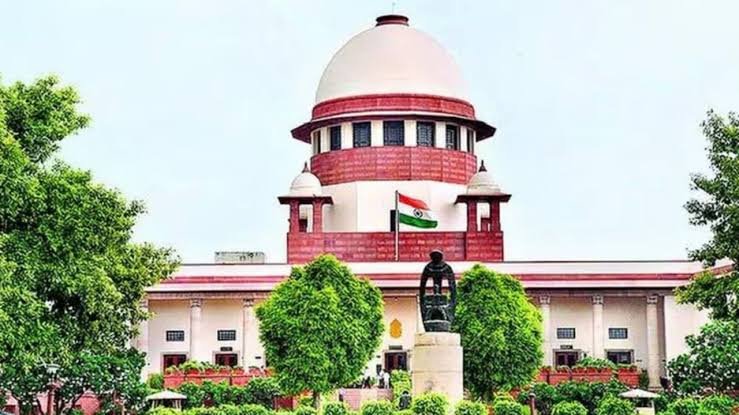
The Supreme Court has cautioned all parties against giving a political colour to the Ayodhya Ram Mandir donation theft case, observing that the matter should be treated strictly as a criminal investigation. The court said judicial proceedings are not meant to become a platform for political debates and assured that the investigation would proceed in accordance with the law.
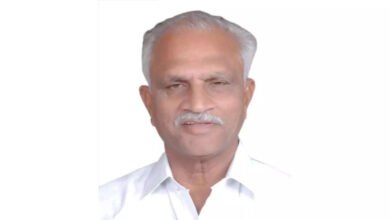
A three judge Bench comprising Justice Surya Kant, Justice Joymalya Bagchi and Justice V Mohan heard the matter on Monday. During the proceedings, the Bench asked whether a Special Investigation Team had been constituted to examine the allegations in detail.
Appearing for the Uttar Pradesh government, Solicitor General Tushar Mehta informed the court that an SIT had already been formed and that the investigation was being carried out by the Uttar Pradesh Police. He assured the Bench that the inquiry was progressing under the supervision of the designated authorities.
The judges directed the state to place the findings of the investigation before the court once significant progress is made. After hearing the submissions, the Bench adjourned the matter and scheduled the next hearing for July 27.
Meanwhile, the SIT investigation has reportedly uncovered several important aspects related to the case. Officials are examining alleged shortcomings in the supervision of the donation counting process, which became a key focus during the inquiry.
The ongoing probe has also resulted in multiple arrests as investigators continue to gather evidence. Following these developments, Champat Rai stepped down from his position as the General Secretary of the Shri Ram Janmabhoomi Trust.
At the same time, some petitioners and other stakeholders have demanded that the investigation be handed over to the Central Bureau of Investigation and that the matter also be examined through an audit by the Comptroller and Auditor General. The court, however, has indicated that its present concern is to ensure a proper and impartial investigation.