Should Rice Be Washed Before Cooking New Study Raises Surprising Questions
Washing rice before cooking is a common habit, but recent studies suggest it may remove nutrients along with dirt, sparking debate over whether rinsing is truly necessary or even beneficial.
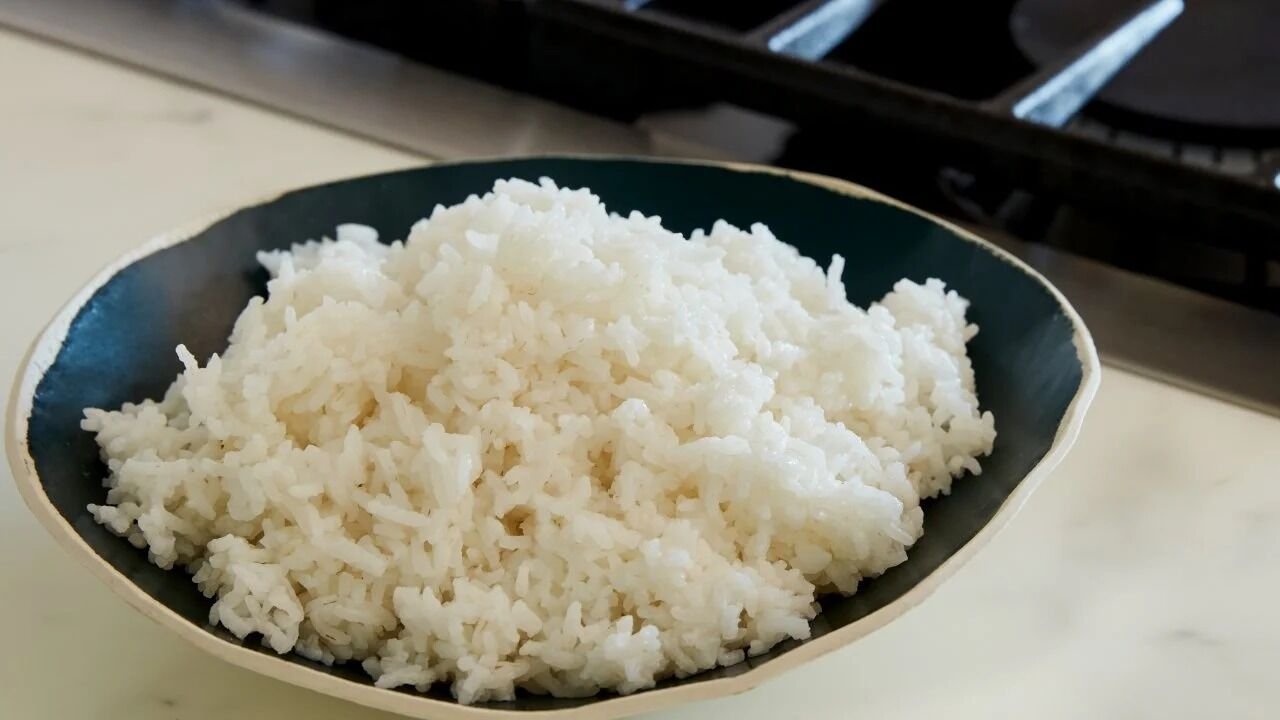
In many households around the world, washing rice before cooking is a deeply rooted habit passed down through generations. The practice is usually followed to remove dust, impurities, and excess starch, which is why the water often turns cloudy or milky during rinsing.
However, recent research has sparked a new discussion around this everyday kitchen step. While cleaning rice may seem harmless and even necessary, scientists now suggest that excessive washing might also wash away some valuable nutrients present in the grain.
According to reports referenced from Live Science, repeated rinsing of rice can lead to the loss of water soluble nutrients such as iron, zinc, copper, and vanadium. These are naturally present in rice and contribute to its nutritional value. Even so, food experts point out that rice is not the sole source of daily nutrition, so the overall impact on health is likely to be limited for most people.
Earlier studies also highlight an interesting balance between cleanliness and nutrition. A 2019 study noted that washing rice is useful to remove surface dust, residue, and polishing agents used during processing. At the same time, washing it three to five times may remove nearly 60 to 80 percent of surface fats and certain nutrients, which end up being discarded with the water.
This has led nutritionists to suggest a more practical approach. In most cases, rinsing rice once or twice is considered enough to clean it without causing significant nutrient loss. Over washing, on the other hand, may not provide additional benefits and could reduce the natural richness of the grain.
There is also an important distinction based on the type of rice being used. Packaged rice available in supermarkets is usually cleaned and processed using modern machines before reaching consumers. Such rice is already free from dust, insects, and most impurities, which means washing it is often unnecessary.
On the other hand, rice purchased directly from mills or ration shops may still contain some surface dust or residue. In such cases, a light rinse once or twice is generally sufficient to ensure cleanliness before cooking.
As simple as it may seem, the act of washing rice has now become part of a larger conversation about food habits and nutrition awareness. While tradition supports thorough rinsing, modern studies encourage a more balanced and mindful approach based on the type of rice and individual preference.