Why elders advise against cutting nails at night and the real science behind it
Cutting nails at night is often discouraged in traditional households. Beyond beliefs, experts explain that it is linked to safety hygiene infection risks and old living conditions shaped by necessity
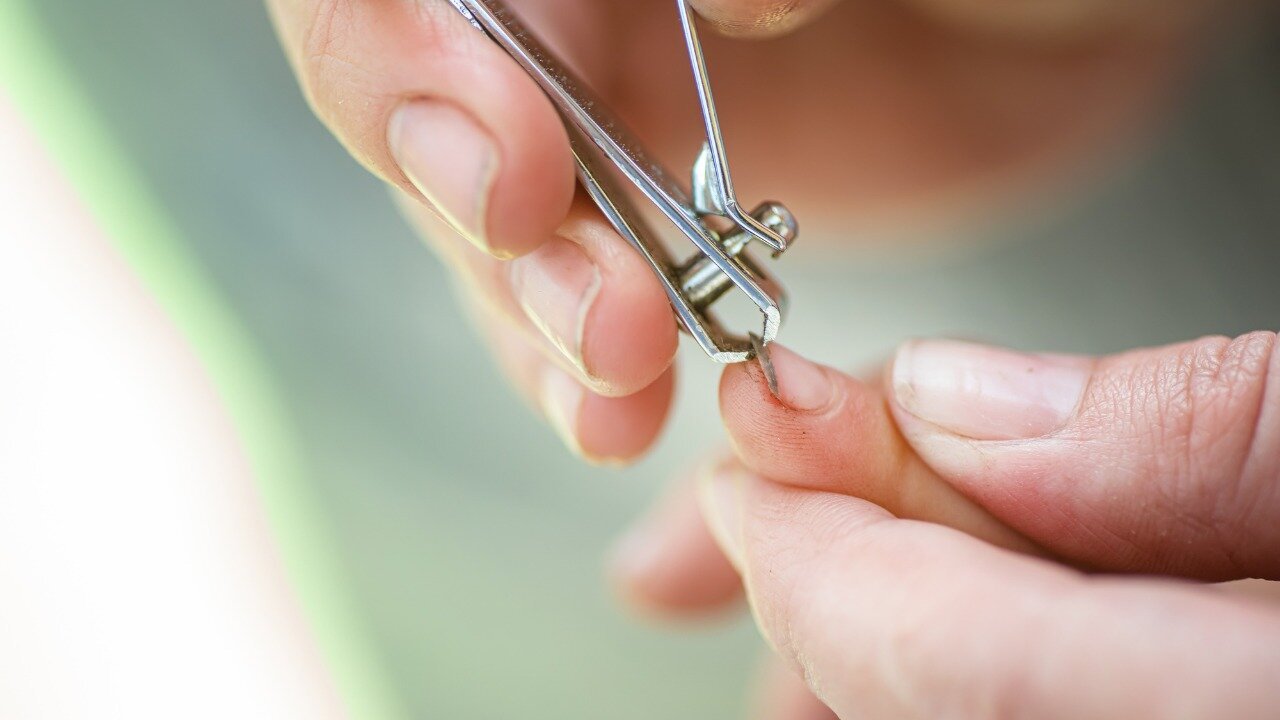
Many traditional practices in Indian households are passed down with strong warnings, and one of the most commonly heard is not to cut nails after sunset. Elders often connect it with beliefs about misfortune or disturbed fortune at home. However, beneath these cultural explanations lies a mix of practical wisdom shaped by earlier living conditions, safety concerns, and hygiene challenges that were very real in the past.
In earlier times, homes did not have reliable electric lighting. People depended on dim oil lamps or candles once the sun went down. In such low light, handling sharp tools like blades or scissors for trimming nails was risky. A small slip could easily lead to cuts or injuries, and immediate medical help was not easily available. What seems like a superstition today actually worked as a safety guideline in an era with limited resources.
Hygiene was another major concern that influenced this practice. Nail clippings falling in poorly lit spaces could not be tracked properly. They could scatter across floors, mix with food areas, or go unnoticed on sleeping surfaces. In households where food was often prepared and stored in open spaces, this increased the chance of contamination. Keeping nail cutting to daytime ensured better visibility and cleaner surroundings.
From a health perspective, nails naturally collect dirt and bacteria throughout the day. Without proper washing, cutting them at night could spread germs onto beds, clothes, or living areas. This could increase the risk of skin irritation or minor infections, especially in shared family spaces. The daytime routine allowed better cleaning habits and reduced such risks significantly.
There is also an Ayurvedic viewpoint that connects daily activities with natural energy cycles. According to traditional understanding, the body enters a calmer and restorative phase after sunset. During this time, unnecessary physical activities like nail cutting were avoided to maintain balance and rest. While modern science may not fully align with this view, it reflects an early attempt to synchronize lifestyle with natural rhythms.
The safest and most practical advice even today is simple. Nails are best trimmed after bathing or after washing hands and feet properly, when they are softer and easier to cut. Warm water or mild oil can make them more flexible and reduce breakage. After trimming, cleaning the area and moisturizing the skin helps maintain nail and skin health.
What appears to be an old belief is actually a combination of safety awareness, hygiene discipline, and practical living wisdom developed over generations.