Hidden Insects in Vegetables Why Proper Cleaning Before Cooking Is Essential for Health
Experts warn that vegetables may carry invisible insects and larvae inside layers and recommend proper washing methods using salt water, turmeric, vinegar, and careful inspection before cooking for safe meals.
Fresh looking vegetables often give the impression of being clean and safe to eat. However, health experts caution that appearances can be misleading. Many vegetables and leafy greens may contain hidden insects, larvae, or eggs deep inside their layers, which are not visible to the naked eye.
If these are not properly cleaned before cooking, they can enter the human digestive system and lead to infections, stomach related issues, and other health complications. This makes proper cleaning of vegetables an important step in daily cooking rather than an optional habit.
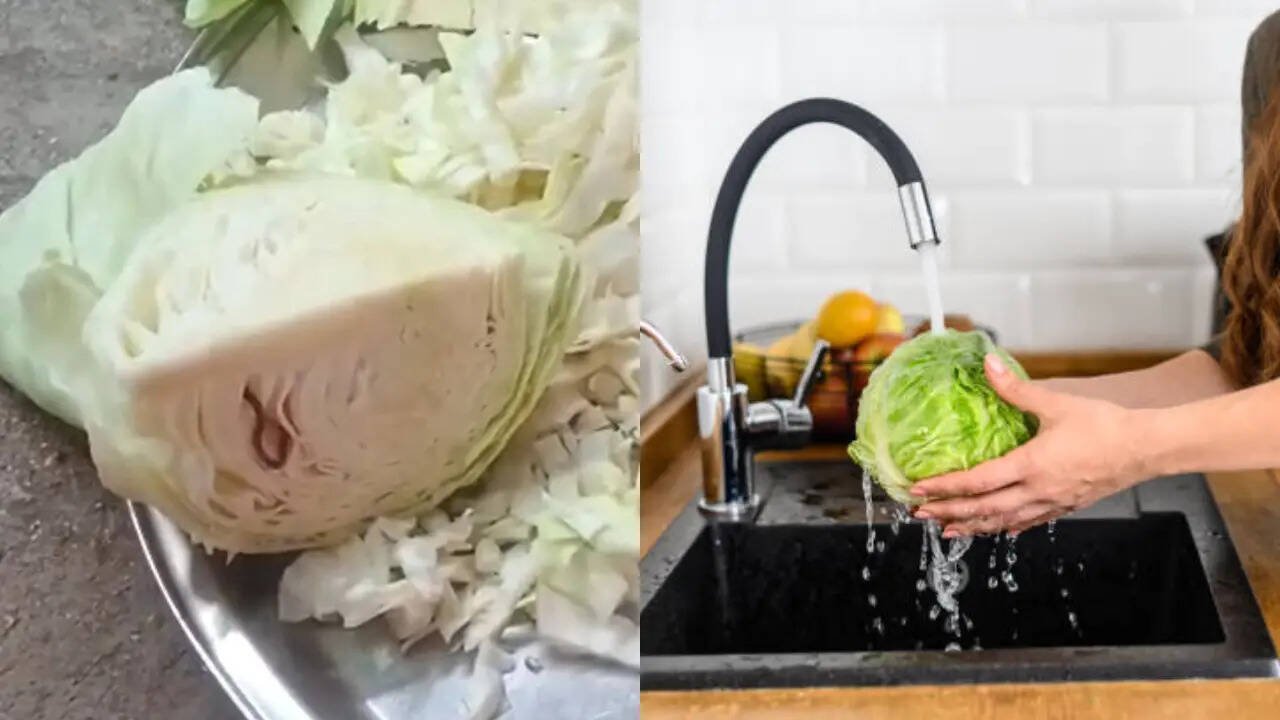
Certain vegetables are more prone to carrying hidden pests. Cauliflower, broccoli, cabbage, and various leafy greens are commonly affected. The tightly packed layers in these vegetables provide a safe hiding place for tiny insects, making them difficult to detect during a quick visual check. Even vegetables like brinjal, okra, and tomatoes can sometimes contain internal insects or larvae.
One of the most effective cleaning methods is soaking cut vegetables in warm water mixed with salt and turmeric. Cutting cauliflower or broccoli into small pieces before washing helps expose hidden spaces where insects may be present. Soaking them for around 10 to 15 minutes allows the natural antibacterial properties of salt and turmeric to help remove or eliminate unwanted organisms.
Leafy greens require even more careful handling. Instead of washing them in bunches, each leaf should be separated individually. Damaged or discolored leaves should be removed before washing. The leaves should then be rinsed multiple times in a large bowl of water to ensure dirt, insects, and chemical residues are thoroughly removed.
In addition to salt and turmeric water, vinegar or baking soda can also be used as natural cleaning agents. These help in removing pesticide residues and tiny insect eggs that may remain on the surface of vegetables. This extra step can significantly improve food safety at home.
Vegetables like brinjal, okra, and tomatoes should always be inspected carefully before cooking. Cutting them and checking the inner parts ensures that any hidden damage or insects are identified and removed in time.
Ultimately, maintaining hygiene in food preparation is just as important as choosing fresh ingredients. Taking a few extra minutes to clean vegetables properly can make a big difference in protecting health and ensuring safe, nutritious meals for the entire family.