Breakthrough Study Suggests Simple Urine Test May Help Detect Autism in Young Children
Researchers report that early autism signs could potentially be identified through a non invasive urine test, offering hope for faster diagnosis and earlier support for children with developmental challenges.
Autism Spectrum Disorder is a neurological condition that affects a child’s brain development, communication abilities, behavior patterns, and social interactions. While early signs often appear within the first few years of life, identifying autism at the right time has traditionally remained a complex and time consuming process for doctors and families.
A new scientific study has now opened an unexpected and hopeful direction in this field. Researchers suggest that even children as young as two years old may show detectable signs of autism through a simple urine test. If further validated, this method could make early screening more accessible and less dependent on lengthy behavioral assessments.
Published in a leading psychiatric research journal, the study has sparked considerable attention in the medical community. Experts believe that early detection plays a crucial role in improving outcomes for children with autism, as timely therapy and structured intervention can significantly support their developmental progress.
At present, diagnosing autism mainly relies on observing a child’s behavior, speech development, social responses, and daily interaction patterns. This approach, although widely used, can sometimes take months or even years to confirm a diagnosis. In many cases, delays in identification can also postpone early intervention programs that are critical during childhood development stages.
The newly explored urine based method focuses on identifying biological markers present in the body. Researchers compared urine samples from children diagnosed with autism and those without the condition. They discovered noticeable differences in certain biochemical compounds and microbial related markers between the two groups.
These variations were analyzed to determine whether they could serve as indicators of autism. According to the findings, the test showed encouraging accuracy in distinguishing children with autism from those without it. Scientists believe these chemical patterns may be linked to metabolic activity and interactions within the body’s biological systems.
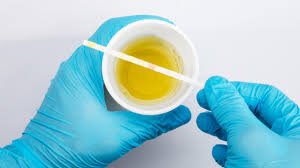
One of the key advantages of this approach is its simplicity. Unlike traditional diagnostic methods that require multiple evaluations and specialist observations, this test only requires a small urine sample. If proven reliable, it could eventually become a quick and non invasive screening tool for early assessment.
However, researchers have also clarified that the study is still in its early stages. They emphasize that more large scale trials and validation studies are necessary before the method can be introduced into routine medical practice. At this point, behavioral observation by trained professionals remains the standard approach for diagnosis.
While science continues to explore new possibilities, medical experts advise parents to remain attentive to early developmental signs in children. Delayed speech, lack of eye contact, minimal response when called by name, repetitive behaviors, and reduced interest in social interaction are some indicators that may require professional evaluation.
Doctors stress that early awareness and timely consultation can make a significant difference in a child’s developmental journey. Even without confirmed diagnostic tools at an early stage, recognizing warning signs can help families seek support sooner.
The potential of a simple urine based screening test represents an important step forward in autism research. If future studies confirm its effectiveness, it could transform how early diagnosis is approached and provide faster access to care for children worldwide. For now, the discovery remains a promising development that adds hope to ongoing scientific efforts in understanding autism more efficiently and compassionately.