Frequent Headaches May Signal High Blood Pressure Risk, Doctors Urge Early Testing and Awareness
Doctors warn repeated headaches should not be ignored as they may indicate high blood pressure, stressing early diagnosis, lifestyle changes, and regular monitoring to prevent serious heart and brain risks.
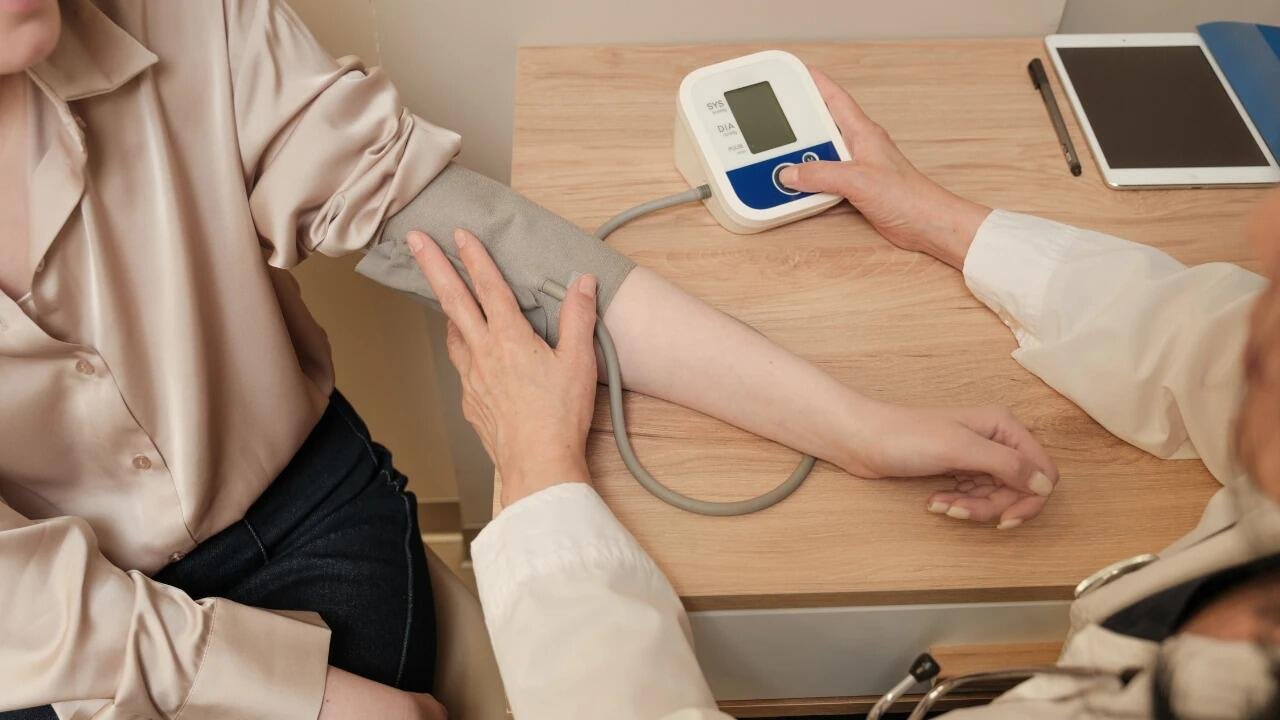
High blood pressure is no longer a condition limited to older adults. In recent years, doctors have observed a steady rise in cases among young people as well. Changing lifestyles, high stress levels, irregular sleep patterns, unhealthy eating habits, and lack of physical activity are all contributing to this growing health concern.
One of the biggest challenges is that many people fail to recognize the warning signs early. Frequent headaches are often dismissed as simple fatigue or stress, but medical experts caution that in some cases they may be linked to elevated blood pressure. While not every headache indicates hypertension, repeated episodes should not be ignored and deserve proper medical attention.
Headaches can occur due to several reasons such as dehydration, migraine, eye strain, poor sleep, or emotional stress. However, when blood pressure rises significantly, it can increase pressure on blood vessels in the brain, sometimes leading to severe pain. Doctors clarify that headache alone cannot confirm high blood pressure, but regular monitoring becomes important when the symptom appears repeatedly.
Hypertension is often called a silent killer because it may not show clear symptoms in many individuals. This makes routine health checks even more important. In some cases, however, warning signs can appear. These may include persistent headaches, dizziness, blurred vision, chest discomfort, breathing difficulty, unusual fatigue, lack of concentration, or a noticeably rapid heartbeat. If any of these symptoms are noticed, medical consultation and blood pressure testing should not be delayed.
Certain groups are at higher risk and need extra caution. Individuals with a family history of high blood pressure, diabetes patients, people who are overweight, and those with a history of heart disease in the family should monitor their health more closely. Regular checkups can help detect the condition early and prevent complications.
Lifestyle plays a major role in controlling blood pressure. Doctors emphasize that small daily changes can make a significant difference over time. A balanced diet, reduced salt intake, at least thirty minutes of physical activity, adequate sleep, stress management, and avoiding smoking and alcohol are strongly recommended. Maintaining a healthy body weight and following prescribed medication consistently are also important parts of management.
Ignoring high blood pressure can lead to serious health consequences. If left untreated, it may increase the risk of heart attacks, strokes, kidney failure, vision problems, and other neurological complications. This is why early detection is considered crucial by health professionals.
Experts strongly advise people not to overlook frequent headaches or other subtle symptoms. A simple blood pressure check can provide clarity and help prevent long term damage. When detected early, hypertension can be managed effectively, protecting the heart, brain, and overall health from severe complications.