Simple Kitchen Spice May Help Hibiscus and Jasmine Plants Bloom More Abundantly
Garden enthusiasts are turning to a common kitchen spice as a natural plant care solution that may support healthier roots, better growth and increased flowering throughout seasons.
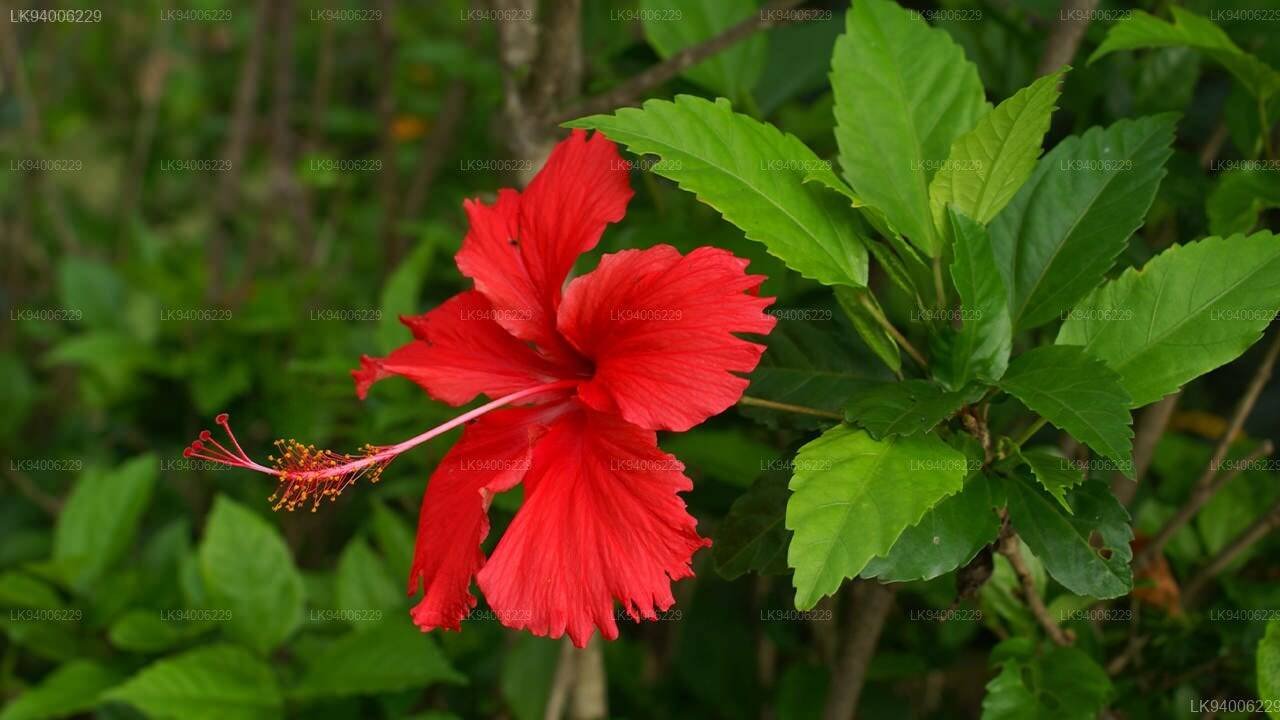
For many gardening enthusiasts, growing flowering plants at home is more than just a hobby. Whether in a balcony garden, terrace setup or small backyard space, plants such as hibiscus and jasmine remain among the most popular choices. However, a common complaint among plant owners is that their plants produce lush green leaves but very few flowers. In some cases, buds appear only to fall off before blooming.
Interestingly, experienced home gardeners are increasingly turning to a familiar kitchen ingredient instead of relying on expensive chemical fertilizers. Cinnamon, a spice commonly used in cooking, is being recognized for its potential role in supporting healthier plant growth and improving flowering performance.
One reason cinnamon has attracted attention is its natural protective properties. The spice contains compounds known for their antifungal, antibacterial and antiseptic characteristics. These qualities can help create a healthier environment around plant roots and soil, especially during seasons when excess moisture becomes a problem.
Root health plays a crucial role in flower production. During the rainy season or when plants are watered excessively, fungal growth can sometimes affect the roots, leading to poor growth and reduced flowering. Gardeners believe that applying a small amount of cinnamon powder around the base of plants may help keep roots healthier and reduce the chances of fungal issues developing in the soil.
Apart from protecting roots, cinnamon is also valued for its ability to support soil quality. Healthy soil contains beneficial microorganisms that help plants absorb nutrients efficiently. When the soil ecosystem remains balanced, plants can access essential nutrients more effectively, encouraging stronger growth and the formation of additional flower buds.
Another advantage often associated with cinnamon is its ability to discourage certain garden pests. The strong aroma of the spice may help keep away insects such as ants and small sap feeding pests that frequently damage young buds and leaves. This makes it a popular natural option for gardeners looking to reduce chemical use around their plants.
There are two simple ways many gardeners use cinnamon in their plant care routine. The first method involves sprinkling a small spoonful of cinnamon powder around the base of hibiscus or jasmine plants once every week or ten days. The soil should be lightly loosened before application, followed by gentle watering.
The second method involves preparing a homemade liquid solution. A spoonful of cinnamon powder can be mixed into one liter of water and left overnight. The mixture is then strained and used either as a soil drench around the roots or as a light spray on the leaves. Many gardeners find this method convenient for regular plant maintenance.
Home gardening has seen a growing shift toward natural and sustainable solutions, and cinnamon has emerged as one of the most talked about ingredients among plant lovers. Its affordability and easy availability make it an attractive choice for people looking to improve plant health without investing in specialized products.
While factors such as sunlight, watering schedules and soil quality remain essential for successful flowering, many gardeners believe that adding cinnamon to their care routine can provide an extra boost. With consistent maintenance and the right growing conditions, hibiscus and jasmine plants may reward owners with more buds, healthier growth and a garden filled with vibrant colors and fragrance throughout the year.