Telangana Intermediate Board Plans Major Shift Towards Practical Based Learning
Telangana is set to revamp Intermediate education from 2026 with first year practical exams, classroom based assessments, and activity driven teaching methods aimed at improving student understanding and skills.
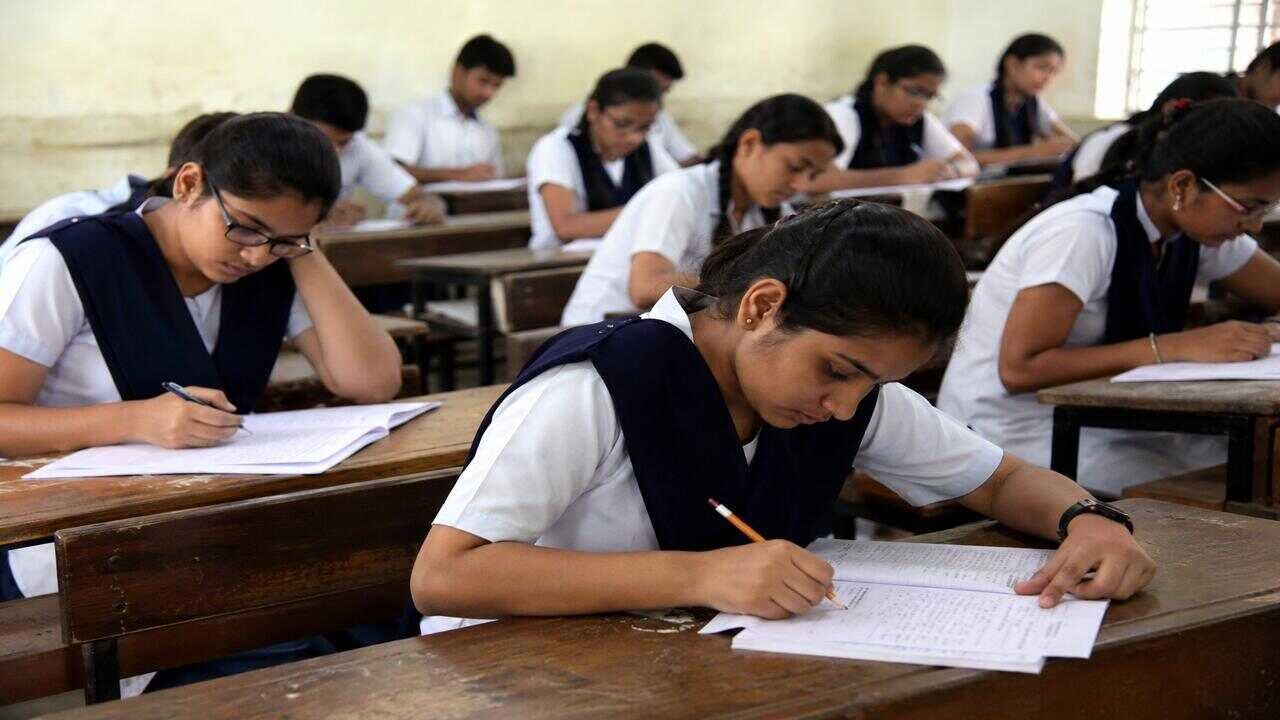
The Telangana State Board of Intermediate Education is preparing to introduce a new academic framework designed to move students beyond textbook focused learning and encourage stronger conceptual understanding.
As part of the proposed reforms expected from the 2026 academic year, practical examinations will no longer remain limited to second year Intermediate students. Authorities are planning to extend practical sessions and assessments to first year students as well.
The revised structure is expected to apply to science subjects including Physics, Chemistry, Botany, and Zoology. Officials believe introducing laboratory learning at an earlier stage will help students develop analytical thinking and improve subject understanding through direct experience.
Under the proposed format, practical examinations are likely to carry fifteen marks in both first year and second year Intermediate courses. Students may therefore be evaluated through a combination of theoretical knowledge and practical performance throughout their academic journey.
The board is also considering significant changes in the way Mathematics is taught in colleges. Instead of relying completely on traditional memorization methods, the focus may shift towards interactive and activity oriented learning techniques.
Education authorities feel that such methods could help students understand formulas more naturally, strengthen logical thinking abilities, and improve confidence in solving problems.
Reports suggest that the weightage of the final Mathematics examination could be reduced from seventy five marks to sixty marks. The remaining marks may be distributed through classroom activities, practical tasks, and continuous internal evaluations.
Language subjects are also expected to come under the new assessment model. Telugu, Hindi, and English students may receive a portion of marks through seminars, assignments, presentations, and classroom participation instead of depending entirely on final examinations.
Education experts have welcomed the reforms, saying the new approach could lower academic stress while encouraging students to stay engaged in learning throughout the year rather than preparing only for annual exams.
Officials are reportedly shaping the reforms in line with the National Education Policy, which emphasizes creativity, critical thinking, skill development, and practical exposure in school and college education systems.
If implemented successfully, the revised structure could mark one of the biggest changes in Telangana Intermediate education in recent years and reshape the learning experience for lakhs of students across the state.