
Watermelon White Rind Safe to Eat or Not What Health Experts Want You to Know
Experts explain whether the white part of watermelon rind is safe to eat, its nutrition, possible benefits, precautions, and ways it is used in everyday summer diets home kitchens commonly
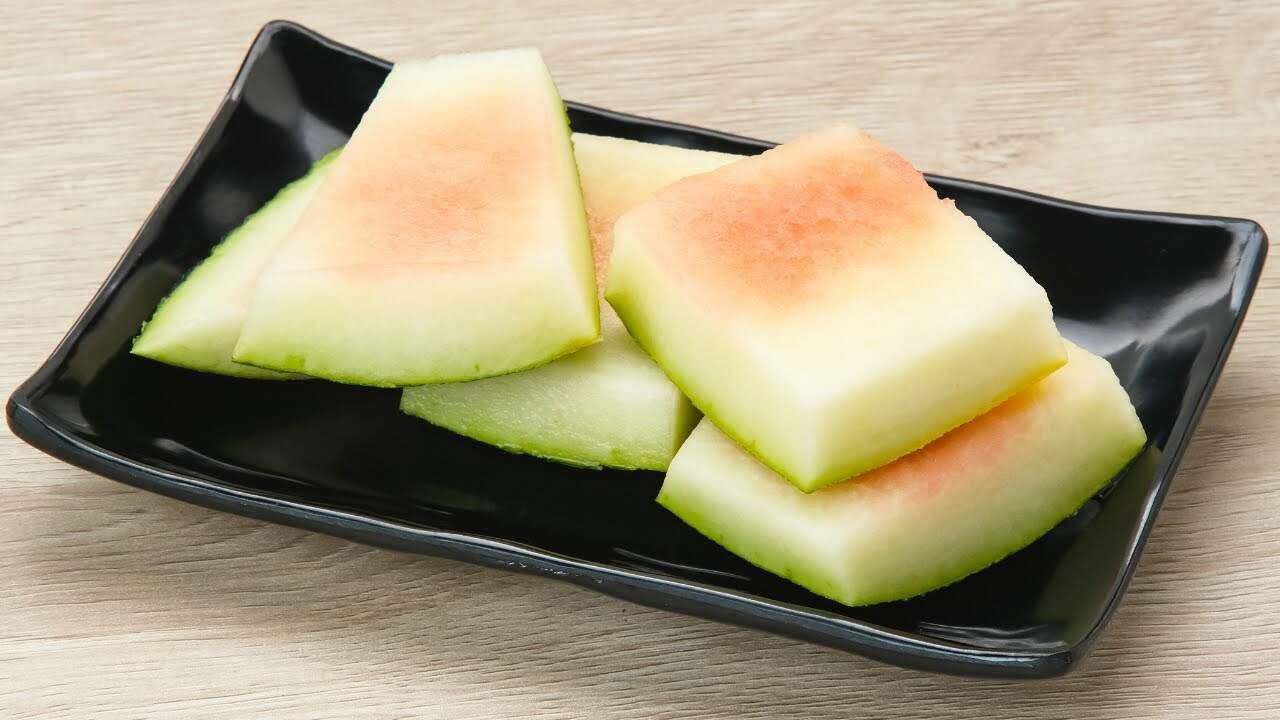
Watermelon is often treated as a pure summer fruit for its juicy red flesh, but many people still throw away the white part of the rind without a second thought. In recent times, however, this overlooked section has started gaining attention for its edible and nutritional value. The question that naturally comes up is whether it is actually safe and useful for regular consumption or just another kitchen waste.
The white layer between the green outer skin and the red pulp is softer in texture and contains a high amount of water. It also carries small amounts of fiber and plant based nutrients. Because of this composition, some people prefer adding it to their meals instead of discarding it, especially during hot weather when light and hydrating foods are preferred.
Before eating it, proper cleaning is extremely important. The outer surface of watermelon can carry dust, soil, or even traces of chemicals used during farming. If not washed well, it may lead to digestive discomfort. Freshness also matters, since spoiled or overripe rind should never be consumed in any form.
Nutrition experts point out that the white portion is not harmful when eaten in moderation. However, it should not be treated as a main food source. Its fiber content can support digestion for some people, but eating too much at once may lead to a heavy feeling in the stomach, especially for those with sensitive digestion.
There are also several simple ways people use this part of the fruit. In many homes, it is turned into chutneys, pickles, light curries, or even added to salads in small pieces. Some also use it in drinks or preserves. These traditional uses show that it has long been part of creative cooking in different regions.
At the same time, not everyone should consume it freely. People who already struggle with digestive issues, food sensitivities, or allergies should be careful. Even though it is natural, every food reacts differently depending on individual health conditions.
One of the commonly discussed benefits is its cooling effect during summer. Since it contains water similar to the red pulp, it can help maintain hydration and freshness in the body. Still, it should be seen as a dietary addition rather than a remedy for health problems.
The key is balance and awareness. Eating only fresh watermelon, cleaning the rind properly, and avoiding spoiled portions are simple steps that make consumption safer. Moderation remains important, as overuse can create discomfort instead of benefits.
In the end, the white part of watermelon is not useless as many assume. When handled and eaten carefully, it can be a part of seasonal eating habits. However, health experts continue to advise that it should be consumed thoughtfully and not in excess, keeping overall diet balance in mind.