Easy Ways to Clean Burnt Tea Pots and Restore Shine Using Simple Kitchen Ingredients at Home
Burnt tea vessels often turn black and sticky making them hard to clean but simple home remedies using baking soda vinegar lemon salt and detergent can help restore their original shine
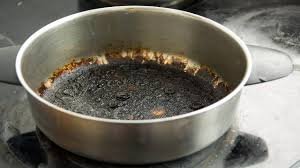
In many homes it often happens that tea is left on the stove while doing some other work. By the time we return, the liquid has boiled over and burnt leaving a thick black layer at the bottom of the pot. This burnt layer not only looks unpleasant but also becomes difficult to remove with regular washing. However, with a few simple kitchen tricks, even heavily burnt utensils can be cleaned without much effort.
One of the most effective methods involves using baking soda and vinegar. Fill the burnt pot with water and add a few spoons of baking soda along with vinegar. Let the mixture boil for a few minutes. Once it cools down, the loosened stains can be scrubbed easily using a sponge or scrubber. This method helps in breaking down stubborn burnt marks.
Another simple approach is using hot water mixed with detergent powder. Pour hot water into the burnt utensil and add detergent along with a small amount of baking soda. Let it sit for a few hours so the mixture can soften the burnt layer. After soaking, scrubbing the surface gently can help remove most of the stains and restore some shine.
A traditional but very useful cleaning trick involves salt and lemon. Sprinkle salt generously over the burnt area of the pot. Then take a slice of lemon and rub it firmly on the surface. The natural acid in lemon combined with salt works on the burnt stains and helps lift them away. After rubbing well, washing with clean water leaves the utensil much cleaner.
These simple methods are commonly used in households because they rely on easily available ingredients and do not require harsh chemicals. However, results may vary depending on how badly the utensil is burnt. For best results, it is always better to clean utensils soon after use to avoid heavy buildup.
Disclaimer This article is for general awareness only and is based on common household cleaning methods. It should not be considered professional advice. Please take appropriate precautions while handling hot water or cleaning agents and consult experts if needed.