
Delhi High Court Holds Railways Responsible for Passenger Death
The Delhi High Court has ruled in favor of a passenger’s family after a sudden train jerk caused a passenger to fall from his berth and die during the journey.
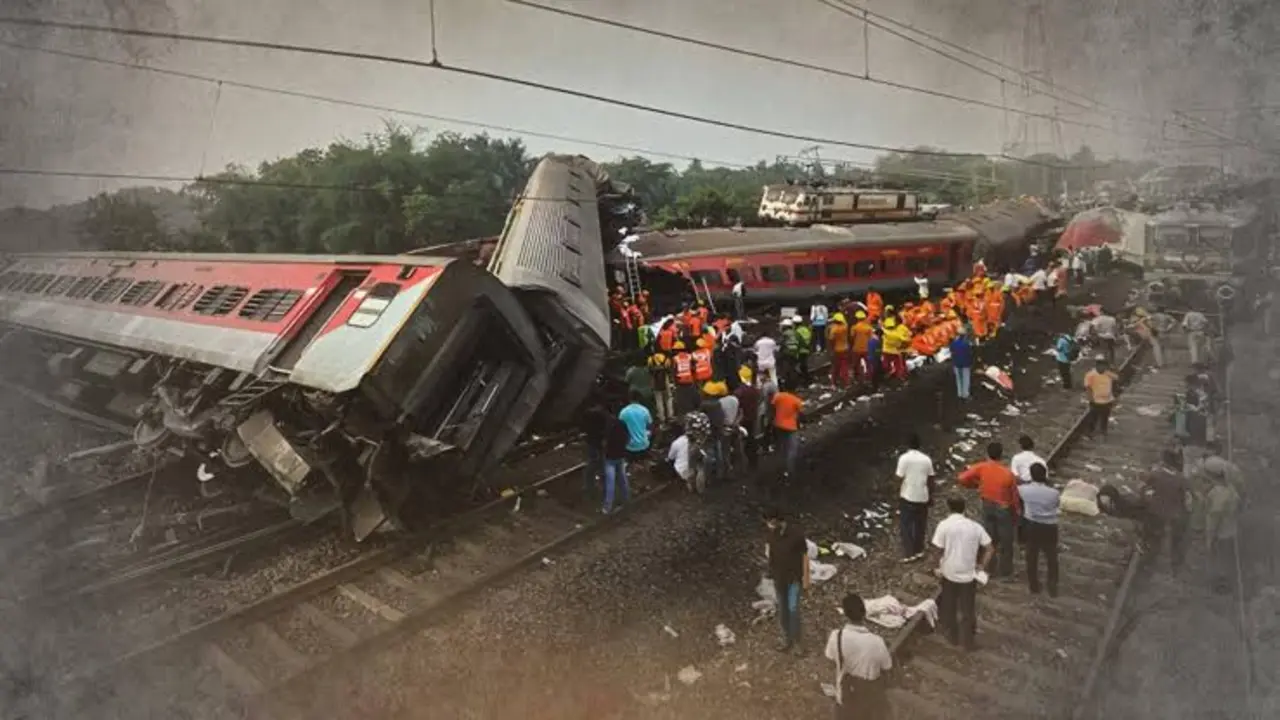
The Delhi High Court has set aside an earlier order of the Railway Claims Tribunal in a case involving the death of a passenger who fell from an upper berth after a sudden jerk on a train.
The incident dates back to 2015. Sanjeev Kumar was travelling with his father, Shyam Singh, from Etawah to Agra Cantonment on a second class ticket. As the train was approaching Agra, it reportedly jerked suddenly. Sanjeev, who was on the upper berth, lost his balance and fell down.
He suffered serious injuries and lost consciousness. A railway doctor later examined him and declared him dead.
His family subsequently approached the Railway Claims Tribunal, seeking compensation for his death. They maintained that the fatal fall happened because of the sudden movement of the train.
The claim, however, was rejected by the tribunal in September 2022. The postmortem report became an important part of the dispute. It mentioned cardiac arrest as the cause of death, and the tribunal therefore did not treat the incident as a railway accident.
The family then moved the Delhi High Court against the decision.
While hearing the matter, Justice Manoj Kumar Ohri noted that there was no medical evidence to establish that Sanjeev had any earlier heart related illness. The court also did not accept the argument that the postmortem finding alone was enough to absolve the Railways of responsibility.
The High Court observed that the circumstances surrounding the fall could not simply be ignored because of the medical finding recorded in the postmortem report.
The court consequently cancelled the Railway Claims Tribunal order and directed the authorities to determine the compensation payable to Sanjeev’s family. The amount is to be paid within two months from the date of the court’s order.
The ruling brings relief to the family after years of pursuing the compensation claim. It also highlights that the circumstances of a passenger’s death during a train journey have to be examined along with the available medical evidence, rather than relying on a single finding in isolation.