Chicken Parts Experts Say You Should Treat With Caution
Many chicken lovers focus on taste but nutrition experts say certain parts may require extra caution Understanding hygiene fat content and food safety can help healthier choices every single time
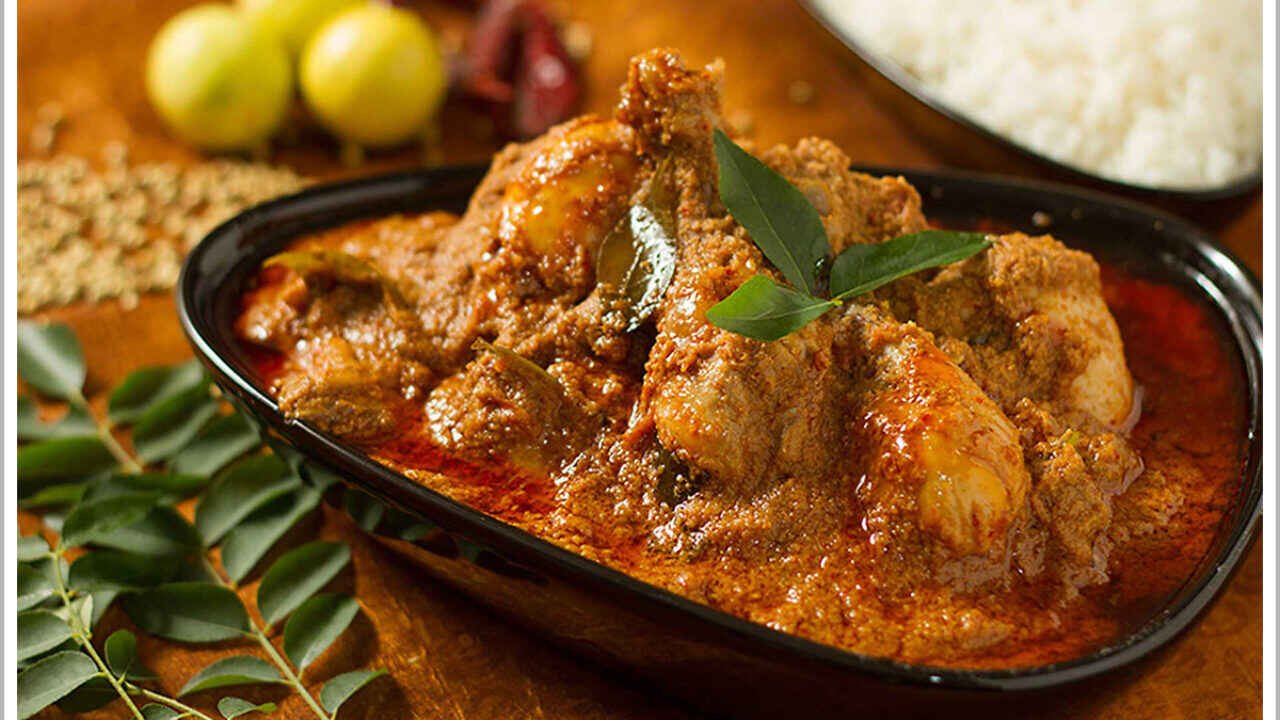
Chicken remains one of the most popular protein choices for families across the country. From spicy curries and grilled dishes to biryani and fried snacks, it is a regular feature on many dining tables. However, health experts say that while chicken can be a nutritious food, the way it is cleaned, prepared and consumed plays a major role in determining its health impact.
Nutrition specialists point out that some parts of the bird may require extra attention because of their fat content, potential contamination risks or lower nutritional value. While many claims circulating online about specific chicken parts are often exaggerated, food safety experts recommend making informed choices and ensuring proper cleaning and cooking practices.
One of the most commonly discussed portions is chicken skin. Many people enjoy it because it becomes crispy and flavorful after cooking. However, chicken skin contains higher levels of saturated fat compared to lean meat. Regular consumption of large amounts of fatty skin may contribute to increased calorie intake and higher cholesterol levels in some individuals. For those trying to manage heart health or weight, removing the skin before eating is often recommended.
Another area that experts highlight is the importance of proper cleaning during processing. Internal organs and tissues can carry bacteria if poultry is not handled hygienically. Food safety professionals stress that thorough cooking is essential to reduce the risk of foodborne illnesses. Undercooked poultry can expose consumers to harmful microorganisms that may cause stomach infections and digestive problems.
The tail section is also a topic of debate among consumers. Some people consider it a flavorful part of the chicken, while others avoid it because it contains a higher concentration of fat. Health professionals generally advise moderation and suggest choosing leaner cuts more often if maintaining a balanced diet is a priority.
Chicken neck is another part that divides opinion. While it is commonly used in soups and traditional recipes, experts recommend purchasing poultry from trusted sources and ensuring it is properly cleaned and cooked. Concerns about hormones and additives are frequently discussed, but food safety authorities in many countries regulate poultry production standards. Consumers are encouraged to rely on verified information rather than social media myths.
Doctors and dietitians emphasize that the overall quality of the chicken matters more than avoiding any single piece. Fresh poultry, hygienic handling, proper storage and thorough cooking are the key factors that help reduce health risks. Lean cuts such as breast meat are often preferred by people seeking higher protein and lower fat content.
Experts also advise paying attention to portion sizes and cooking methods. Grilling, baking and steaming are generally healthier options than deep frying. Combining chicken with vegetables, whole grains and a balanced diet can provide nutritional benefits without excessive calories.
For regular chicken consumers, the message from health professionals is simple. Enjoy chicken as part of a balanced diet, choose quality ingredients, maintain proper kitchen hygiene and be mindful of high fat portions. Small changes in food choices and preparation methods can make a significant difference to long term health.