Ananya Reddy Secured UPSC Rank 3 Without Full Time Coaching
Ananya Reddy’s first attempt success shows that UPSC preparation is not about studying endlessly, but about understanding the exam, choosing resources wisely, revising consistently and practicing effectively with discipline every day.
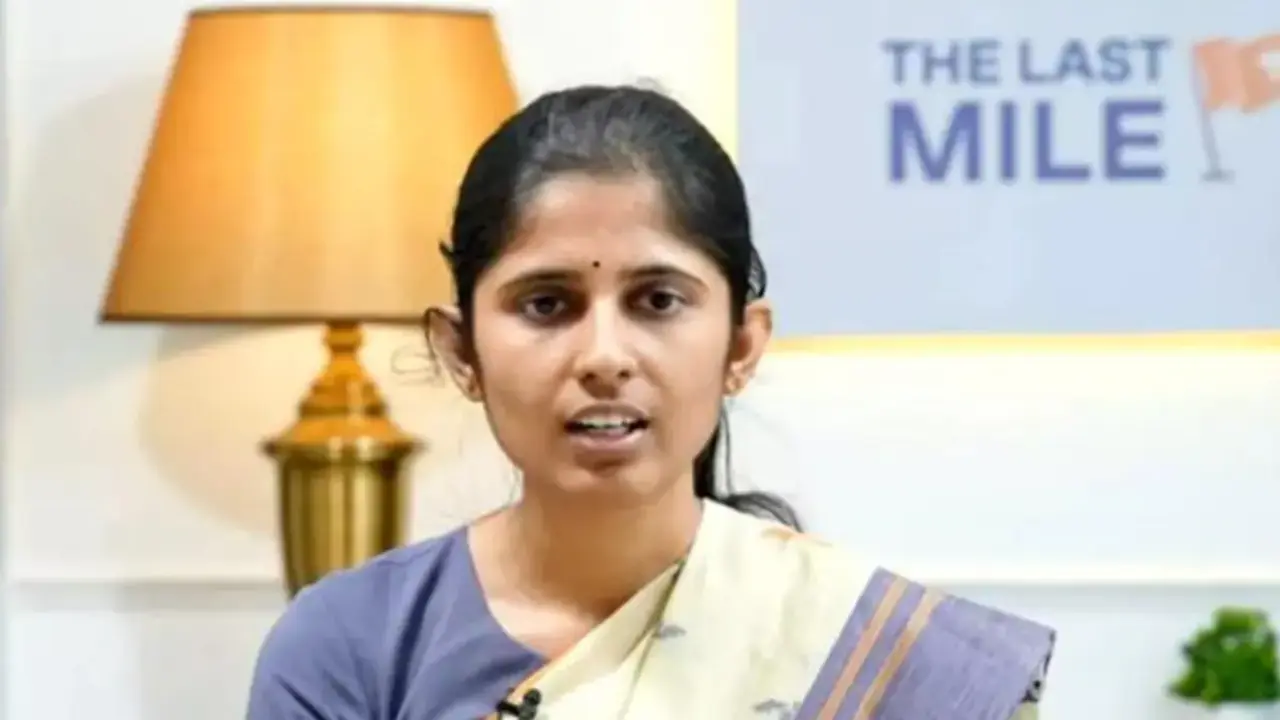
UPSC Rank 3 came in Ananya Reddy’s first attempt.Ananya Reddy focused on smart preparation over long study hours.Her strategy included revision, practice and self analysis.
Ananya Reddy’s journey to an All India Rank 3 in the 2023 UPSC Civil Services Examination offers a useful lesson for aspirants who often believe that cracking the exam requires studying for 18 or 19 hours every day.
The Mahabubnagar native spent nearly two years preparing for the Civil Services Examination. But she did not follow a fixed timetable based purely on the number of hours. Instead, she planned her day around the work that needed to be completed.
If a topic required 10 hours, she spent 10 hours on it. If another needed more time, she adjusted accordingly. Even then, her regular study time generally did not cross 14 hours.
For Ananya, the quality of preparation mattered much more than simply sitting with books for long stretches. She has also pointed out that studying for 18 or 19 hours is not realistic for most people because concentration and retention naturally decline after a point.
Her preparation changed depending on the stage of the examination.
For the prelims, she relied heavily on revision and multiple choice question practice. The 2023 paper was quite different from what many candidates had expected, so she had used a slightly wider range of study resources. At the same time, she made sure that adding more material did not come at the cost of revision.
Her basic approach was simple. Read useful material, revise it repeatedly and solve enough questions to become comfortable with the exam pattern.
The strategy was different for the mains examination. Instead of continuously adding new books and notes, Ananya preferred to keep her resources limited and spend more time understanding them.
She also looked for connections between different subjects. Linking ideas across topics helped her bring more depth and analysis into her answers. Regular answer writing was another important part of her preparation.
Ananya did not take coaching for General Studies. However, Anthropology was a new subject for her, so she took a three month online course from Vaid’s ICS. She also appeared for test series conducted by coaching institutes for both prelims and mains.
For the interview stage, mock interviews proved particularly useful. She prepared her Detailed Application Form, hobbies and graduation subject carefully so that she could handle questions related to her background with confidence.
Honesty, according to Ananya, was especially important during the interview. Her approach was to clearly admit when she did not know something instead of trying to guess or bluff. She believed that experienced interview panel members could quickly notice when a candidate was pretending to know an answer.
Ananya completed her schooling in Mahabubnagar before moving to Delhi for higher education. She graduated in Geography from Miranda House in 2021. Although Geography was her graduation subject, she selected Anthropology as her optional subject for the Civil Services Examination.
She chose Anthropology because it was relatively static, its syllabus did not change significantly and sufficient study material was available. Her answer writing strategy also varied according to the topic. She used diagrams where they added value in Physical Anthropology, referred to thinkers in Social Anthropology and brought in case studies while answering questions related to Tribal Anthropology.
Civil Services had been on Ananya’s mind from a young age. She was interested in the humanities and gradually became more attracted to the career after considering the opportunity to work directly with people and take up different kinds of responsibilities.
Even after all her preparation, she did not expect a third rank. When the results were announced, she simply wanted to see her name on the list. She had not even set a specific expectation of finishing among the top 100 or top 200.
Her experience has also shaped the advice she gives to new aspirants. Before opening a book, she believes candidates should understand what the examination actually demands. Going through the syllabus and previous years’ question papers should come first.
After that, aspirants should honestly assess their strengths and weaknesses and build a preparation plan around them. For mains, she recommends limiting study material, thinking deeply about the subjects and writing answers regularly rather than endlessly collecting resources.
Ananya’s message is not that hard work can be avoided. Instead, she stresses that hard work needs direction.
Her own result shows the difference that planning, consistency and self assessment can make. For someone preparing for UPSC, the bigger question is not how many hours were spent at the desk, but how effectively those hours were used.