Why Lower Berths Are Reserved for Selected Train Passengers and How You Can Request One
Indian Railways gives lower berth preference to eligible passengers based on availability while final seat allocation depends on reservation rules coach capacity and booking status during ticket confirmation.
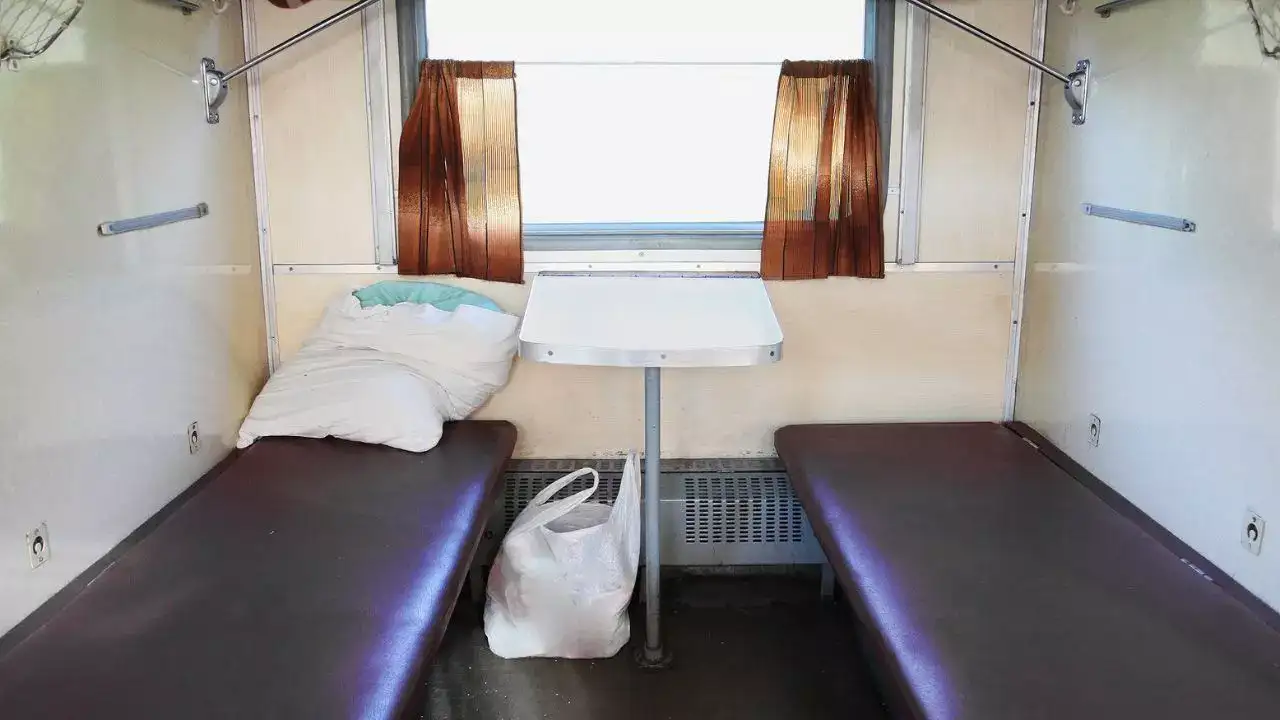
Many train passengers prefer a lower berth because it offers easier access and greater comfort during long journeys. However, even passengers with confirmed tickets often receive middle or upper berths, leading to confusion about how berths are allotted. The Railway Ministry has now clarified the rules governing lower berth allocation.
Replying to a question in Parliament, Railway Minister Ashwini Vaishnaw explained that lower berths are primarily reserved for passengers who genuinely need them. These include men aged 60 years and above, women aged 45 years and above, pregnant women, and persons with disabilities. Their requests are considered based on berth availability at the time of booking.
According to Indian Railways, the Passenger Reservation System automatically assigns a lower berth to eligible passengers if one is available when the ticket is booked. However, this is not a guaranteed benefit. If all lower berths are already occupied, the system will allocate another available berth instead. Railways does not reassign confirmed seats from other passengers to provide a lower berth.
Special arrangements are also available for persons with disabilities. Indian Railways reserves lower berths and provides additional travel facilities through dedicated quotas to make their journeys safer and more convenient.
Lower berths are reserved in Sleeper Class, AC Three Tier, AC Two Tier, and AC Three Economy coaches. Since every coach has only a limited number of lower berths, it is not possible to provide one to every passenger who requests it.
Passengers can choose the lower berth preference option while booking their tickets. However, this is only a preference and not a confirmed entitlement. The final berth allocation depends on seat availability, reservation rules, and the automated booking system.
If a passenger receives an upper or middle berth, they may exchange seats with another traveler only if both passengers agree. Railway officials do not compel anyone to swap their allotted berth.
The Railway Ministry has emphasized that the policy is designed to support passengers who need easier access during travel. Travelers are advised to enter their personal details correctly while booking and select the lower berth preference whenever required to improve their chances of receiving one, subject to availability.