
What CIBIL Score Do You Need to Get a Loan at a Lower Interest Rate
A strong CIBIL score improves your chances of quick loan approval and lower interest rates while a poor credit score can make borrowing more expensive and difficult.
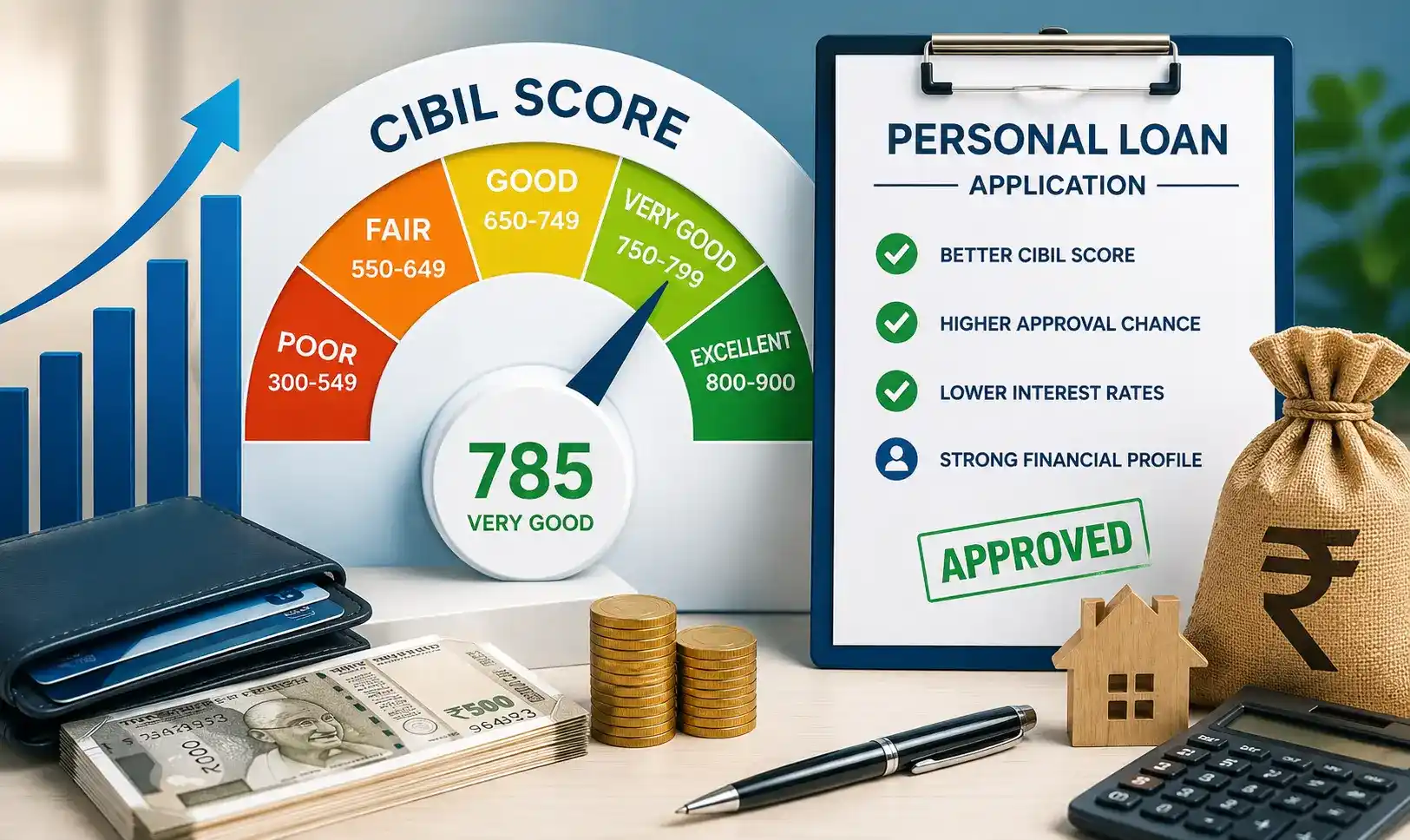
Anyone planning to apply for a home loan, personal loan or any other type of credit should pay close attention to their CIBIL score. Banks and financial institutions consider this score one of the most important factors while deciding whether to approve a loan and what interest rate to offer.
Financial experts generally consider a CIBIL score of more than 750 as an excellent benchmark for borrowers. Applicants with strong credit scores are more likely to receive faster approvals and can often negotiate lower interest rates, reducing the overall cost of borrowing.
Borrowers with a CIBIL score between 700 and 749 may still qualify for loans, but the interest rates offered are usually average or slightly higher than those available to customers with stronger credit histories. Loan approval is still possible, though the terms may not be as attractive.
If the CIBIL score falls below 700, obtaining a loan becomes more challenging. Even if a bank approves the application, the borrower may have to pay a significantly higher interest rate. Over the repayment period, this can increase the total amount paid and make the loan much more expensive.
Maintaining a healthy credit score requires timely repayment of existing loans and credit card bills, avoiding payment defaults and managing overall credit usage responsibly. A good repayment record helps build confidence among lenders and improves future borrowing opportunities.
Many borrowers also wonder why the CIBIL score is so important. Banks use it as a measure of a customer’s creditworthiness and repayment behaviour before extending any form of credit. A higher score indicates responsible financial management, while a lower score suggests greater lending risk.
For borrowers looking to secure the lowest possible interest rate, maintaining a CIBIL score above 750 remains the safest target. A strong credit profile not only increases the likelihood of loan approval but can also help save a substantial amount in interest over the life of the loan.