UPI Payment Charges Clarification Brings Relief to Common Users
Reports about possible charges on UPI payments had raised concerns among ordinary users and small businesses, but NPCI has clarified that customers will not be charged for UPI transactions.
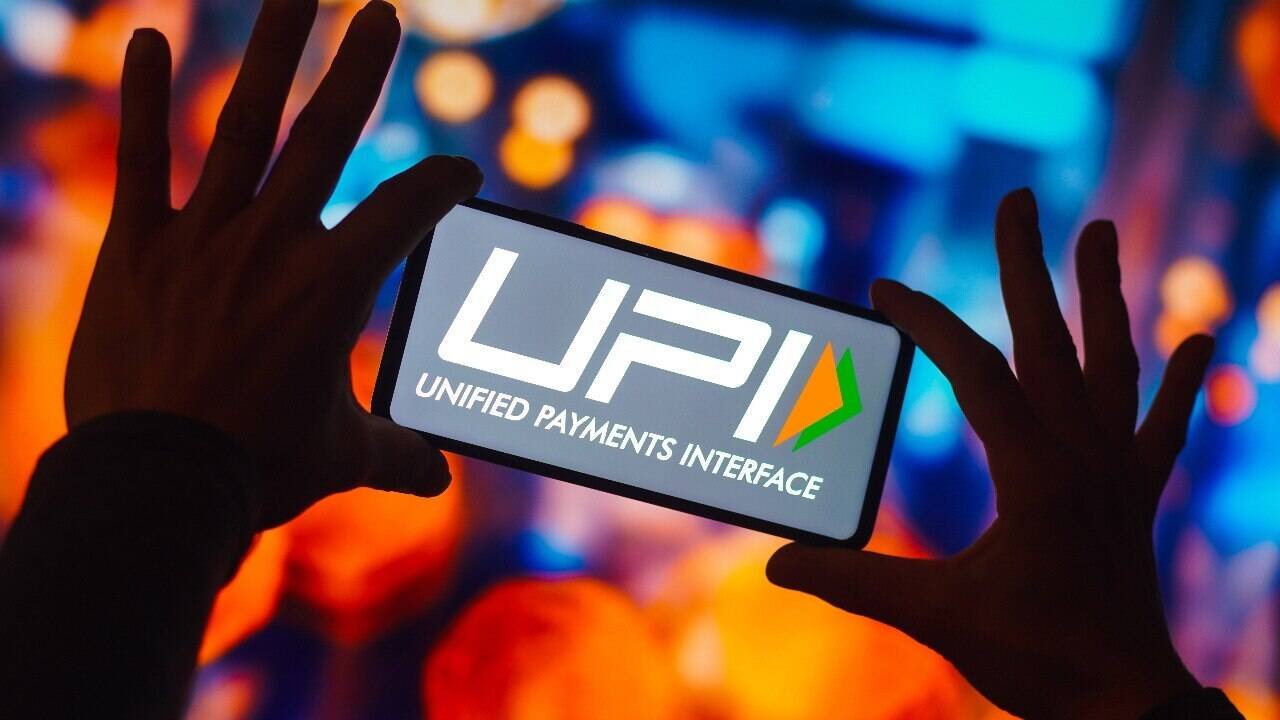
UPI has become one of the most widely used payment methods in India, allowing people to complete transactions within seconds by scanning a QR code and entering their PIN. From roadside tea stalls and grocery shops to larger businesses, digital payments have become part of everyday life.
Amid growing reports that UPI transactions could attract charges in the future, concerns increased among customers and merchants. Many users feared that even small payments might eventually become expensive.
The National Payments Corporation of India has now addressed these concerns and said consumers will not have to pay any fee for making UPI payments. NPCI also stated that small merchants will not be required to pay charges for accepting UPI payments from customers.
The clarification is particularly significant for small shop owners, who increasingly depend on QR based payments to receive money without handling cash. According to NPCI, keeping digital payments accessible to even the smallest businesses remains an important objective of the UPI ecosystem.
At the same time, operating such a large real time payment network involves substantial infrastructure and maintenance costs. Billions of UPI transactions are processed every month, requiring continuous investment in technology and payment infrastructure.
The discussion around charges is linked mainly to the cost of maintaining and expanding the system, particularly for large businesses. Currently, banks and payment aggregators bear a significant portion of these operational expenses.
For ordinary UPI users, however, the latest clarification provides reassurance that making payments through UPI will not attract a transaction fee. The system continues to play a major role in India’s rapid shift towards convenient digital payments.